
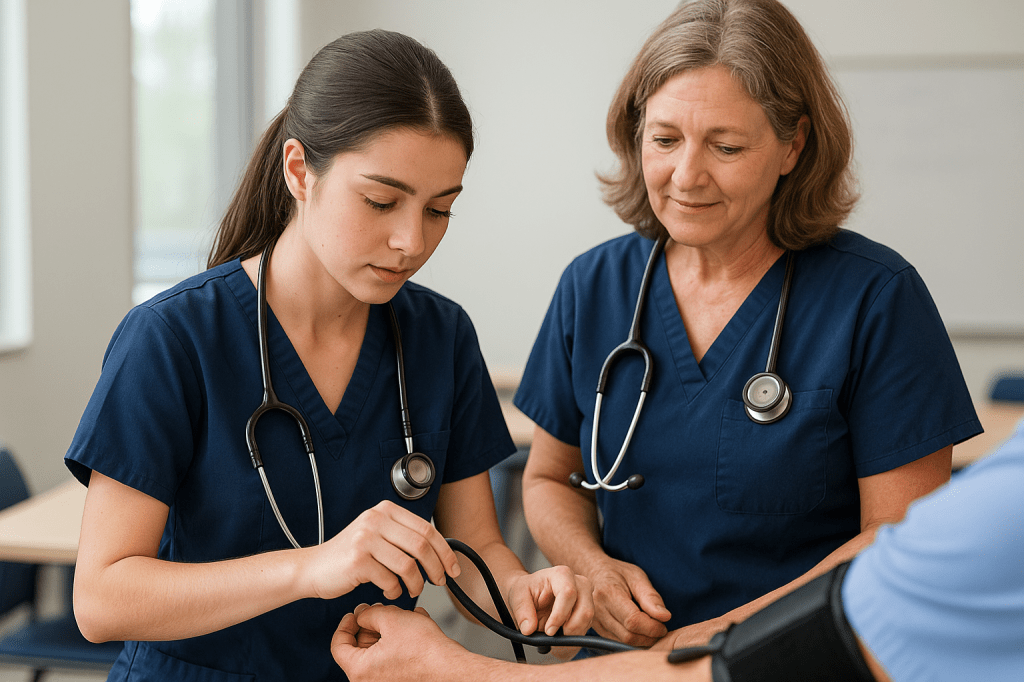
Becoming a professional nurse requires more than just theoretical knowledge. Nursing students must develop a wide range of practical and interpersonal skills to provide safe, effective, and compassionate care. Whether in the classroom, during clinical rotations, or later in professional practice, these skills form the foundation of nursing excellence.
1. Communication Skills
Effective communication with patients, families, and healthcare teams is one of the most critical skills in nursing. Clear communication prevents errors, builds trust, and improves patient outcomes.
2. Clinical Observation
Nurses must develop a keen sense of observation to detect early signs of deterioration. Monitoring vital signs, recognizing subtle changes, and reporting findings promptly can save lives.
3. Patient Assessment
Conducting thorough health assessments allows nurses to gather essential data about a patient’s condition. This includes physical examinations, history-taking, and identifying potential health risks.
4. Infection Control
Proper hand hygiene, use of personal protective equipment (PPE), and adherence to infection prevention protocols are fundamental to ensuring patient and staff safety.
5. Medication Administration
Administering medications safely and accurately is a core nursing responsibility. Students must learn dosage calculations, routes of administration, and monitoring for side effects.
6. Critical Thinking
Nursing often involves making quick, evidence-based decisions. Developing critical thinking skills helps students analyze information, prioritize tasks, and respond appropriately in complex situations.
7. Empathy and Compassion
Patients need more than medical care—they need emotional support. Showing empathy and compassion fosters trust and contributes to holistic healing.
8. Time Management
Nurses juggle multiple tasks at once. Strong organizational and time management skills ensure that patient care remains efficient and safe without becoming overwhelming.
9. Teamwork and Collaboration
Healthcare is a team effort. Nurses must work effectively with doctors, therapists, social workers, and other professionals to provide comprehensive care.
10. Patient Education
One of the most powerful nursing roles is teaching patients and families. Whether explaining medication use, lifestyle changes, or disease management, effective education empowers patients to take control of their health.
Conclusion
Nursing students who master these essential skills set themselves up for success both academically and professionally. Each skill—from communication to patient education—contributes to safe, high-quality care. By continually practicing and refining these abilities, students can grow into confident, competent nurses who make a meaningful difference in the lives of their patients.
Frequently Asked Questions (FAQ)
1. Which nursing skill is the most important?
While all skills are vital, communication and critical thinking are often considered the most important because they affect every aspect of patient care.
2. How can nursing students improve their clinical skills?
Students should actively participate in simulations, seek feedback from instructors, and practice consistently during clinical rotations.
3. Why is infection control emphasized so much in nursing school?
Infection control protects both patients and healthcare workers. Preventing hospital-acquired infections is essential for patient safety and overall public health.
4. Is empathy something that can be learned?
Yes. While some people are naturally empathetic, empathy can also be developed through active listening, reflective practice, and exposure to diverse patient experiences.
5. Do nursing skills differ across countries?
The fundamentals of nursing skills are universal, but specific practices may vary depending on national guidelines, cultural expectations, and available resources.
 Ganho Nursing
Leave a comment