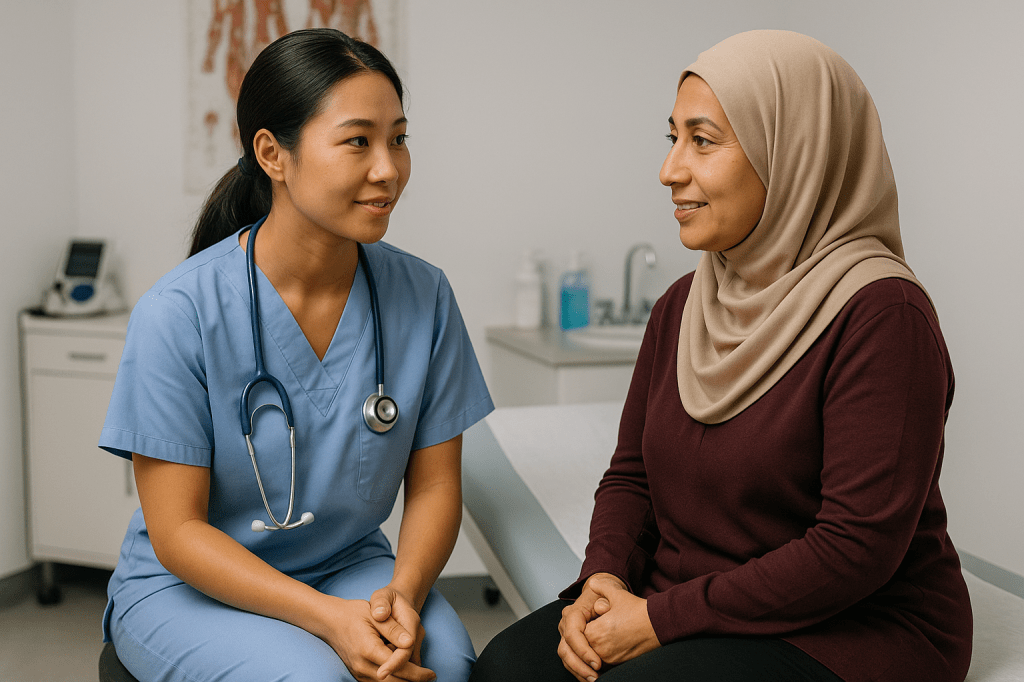
• If you’re drawn to a career that blends compassion, science, and lifelong learning, nursing might be the perfect path for you. But what does it really take to go from a student nurse to a Nurse Practitioner (NP)? The journey isn’t easy, but it’s one of the most rewarding professional paths in healthcare.

    In this comprehensive guide, we’ll walk through every stage of building a successful nursing career — from your first day in nursing school to advanced practice roles like Nurse Practitioner. Along the way, we’ll discuss education, licensing, specialties, and practical tips for thriving in this ever-evolving field.


    Why Choose Nursing as a Career

    Nursing isn’t just a job — it’s a calling. According to the U.S. Bureau of Labor Statistics (BLS), there are over 3 million registered nurses (RNs) in the United States, and the demand is projected to grow by 6% between 2022 and 2032.

    Key reasons why nursing is one of the best career choices today:

    • Job security: Nurses are always in demand across hospitals, clinics, and community health settings.
    • Global opportunities: Nursing credentials are transferable internationally, allowing you to work almost anywhere.
    • High earning potential: Advanced roles like Nurse Practitioners earn six-figure salaries.
    • Personal fulfillment: You directly impact patients’ lives and see tangible results of your care.

    Whether you’re a high school graduate dreaming of your first scrubs or a professional considering a career change, the path to becoming a nurse is clearer than ever — and full of opportunities for growth.


    Step 1: Starting as a Nursing Student

    Before you can wear the title “Registered Nurse,” you’ll begin as a nursing student, learning the science and art of healthcare.

    Educational pathways include:

    1. Associate Degree in Nursing (ADN): A 2-year program offered by community colleges. It’s the fastest route to becoming an RN but may limit long-term career growth.
    2. Bachelor of Science in Nursing (BSN): A 4-year university degree that provides broader clinical knowledge, leadership training, and better career mobility.
    3. Accelerated BSN (ABSN): For students who already hold a non-nursing bachelor’s degree — an intensive program that can be completed in 12–18 months.

    Typical nursing school courses include:

    • Anatomy and Physiology
    • Pharmacology
    • Nursing Ethics
    • Pathophysiology
    • Clinical Practicum (hospital-based training)

    Pro Tip: Start strong in your first semester. Nursing school can be demanding, but organization and time management make all the difference. Use planners, study groups, and NCLEX-style question banks early on.


    Step 2: Passing the NCLEX and Getting Licensed

    After graduation, the next major milestone is passing the NCLEX-RN (National Council Licensure Examination for Registered Nurses). This exam ensures that you’re ready for safe, entry-level nursing practice.

    How to prepare effectively:

    • Use adaptive question banks that mimic the NCLEX format.
    • Focus on clinical judgment and safety — two key exam areas.
    • Schedule consistent study sessions over 6–8 weeks instead of cramming.

    Once you pass the NCLEX, you’ll receive your RN license from your state board of nursing. Congratulations — you’re officially a Registered Nurse!


    Step 3: Gaining Real-World Experience

    The first few years as an RN are where you truly learn what nursing is all about. Real patients, long shifts, and team collaboration will test everything you learned in school.

    Common entry-level nursing roles include:

    • Medical-Surgical Nurse: A great foundation for new graduates.
    • Emergency Room (ER) Nurse: Fast-paced, unpredictable, and highly educational.
    • ICU (Intensive Care Unit) Nurse: Demanding but ideal for developing critical thinking skills.
    • Pediatric or Geriatric Nurse: Perfect for those drawn to specific age groups.

    Tips for thriving as a new nurse:

    1. Ask questions often. No one expects you to know everything.
    2. Find a mentor. Experienced nurses can provide invaluable guidance.
    3. Prioritize self-care. Long shifts can lead to burnout — rest, hydrate, and de-stress.
    4. Keep learning. Attend workshops or earn continuing education credits (CEUs) to stay current.

    Real-life example:
    Many nurses spend 2–3 years in med-surg or ICU before advancing to specialized or leadership positions. These foundational experiences make you a stronger, more adaptable clinician.


    Step 4: Choosing a Specialty

    Nursing offers dozens of specialties, each with unique challenges and rewards. Choosing one depends on your interests, personality, and long-term goals.

    Top nursing specialties in 2025:

    • Critical Care Nurse (ICU) – Managing life-threatening conditions.
    • Labor and Delivery Nurse – Supporting mothers during childbirth.
    • Oncology Nurse – Caring for cancer patients through treatment and recovery.
    • Pediatric Nurse – Working with children and families.
    • Mental Health Nurse – Addressing psychiatric and emotional well-being.
    • Public Health Nurse – Focusing on community education and disease prevention.

    Key insight: Your specialty can evolve over time. Many nurses transition from bedside care to roles in education, research, administration, or advanced practice.


    Step 5: Pursuing Advanced Education

    If you’re ambitious and want more independence in your practice, continuing education is essential.

    Popular graduate options include:

    • Master of Science in Nursing (MSN): Prepares you for leadership, teaching, or advanced clinical roles.
    • Doctor of Nursing Practice (DNP): Focused on clinical leadership and evidence-based practice.
    • Ph.D. in Nursing: Oriented toward academic and research careers.

    Why pursue an advanced degree?

    • Higher salary potential
    • Expanded scope of practice
    • Greater influence in healthcare policy and innovation
    • Ability to teach or lead departments

    According to the American Association of Nurse Practitioners (AANP), the U.S. currently has over 385,000 licensed Nurse Practitioners, and demand continues to soar.


    Step 6: Becoming a Nurse Practitioner (NP)

    Becoming a Nurse Practitioner is one of the most empowering and rewarding steps in a nursing career. NPs combine the compassion of nursing with the autonomy of medicine, diagnosing illnesses, prescribing medication, and managing patient care.

    Common NP specialties:

    • Family Nurse Practitioner (FNP)
    • Adult-Gerontology NP (AGNP)
    • Pediatric NP (PNP)
    • Psychiatric Mental Health NP (PMHNP)
    • Acute Care NP (ACNP)

    How to become a Nurse Practitioner:

    1. Earn a BSN and gain RN experience.
    2. Complete an accredited MSN or DNP program.
    3. Pass a national certification exam (such as from AANP or ANCC).
    4. Obtain state licensure as an Advanced Practice Registered Nurse (APRN).

    Salary outlook:
    The average NP earns around $124,000 per year in the United States, with top earners exceeding $160,000 depending on specialty and region.


    Step 7: Building Long-Term Success

    A nursing career doesn’t stop at clinical expertise. Successful nurses are lifelong learners, advocates, and leaders.

    Ways to build a fulfilling long-term career:

    • Join professional organizations (e.g., American Nurses Association, AANP).
    • Network with peers and mentors through conferences and seminars.
    • Engage in research or publishing to contribute to the profession.
    • Balance work and life. A sustainable career includes rest, family, and personal goals.

    Example:
    An RN who starts in med-surg may become a Clinical Nurse Specialist, move into hospital management, or open a private practice as a Family Nurse Practitioner. The possibilities are endless with the right mindset and credentials.


    Global Opportunities in Nursing

    The beauty of nursing is its global reach. Qualified nurses are in demand everywhere — from high-tech hospitals in the U.S. to humanitarian missions in developing countries.

    Popular destinations for international nursing careers:

    • United States: Highest salaries and advanced practice autonomy.
    • Australia & New Zealand: Strong demand for aged care and rural nurses.
    • United Kingdom: National Health Service (NHS) opportunities.
    • Middle East (UAE, Saudi Arabia, Qatar): Tax-free salaries and modern facilities.

    Tip for international nurses:
    If you plan to work abroad, research each country’s licensure requirements (e.g., NCLEX for the U.S. or NMC registration for the UK).


    Challenges Along the Way

    Every career path has hurdles, and nursing is no exception.

    Common challenges include:

    • Long shifts and physical strain
    • Emotional fatigue and burnout
    • Staff shortages and high patient loads
    • Balancing academic and personal life during graduate studies

    How to overcome them:

    • Build a strong support system of peers and mentors.
    • Practice mindfulness, exercise, and stress management.
    • Advocate for workplace safety and fair staffing policies.

    Nursing is demanding, but with resilience and passion, it’s one of the most fulfilling careers in the world.


    Frequently Asked Questions (FAQ)

    Q1: How long does it take to become a Nurse Practitioner?
    A1: It typically takes 6–8 years — including a 4-year BSN, 2–3 years of experience as an RN, and a 2–3 year MSN or DNP program.

    Q2: Is it hard to balance work and school in nursing?
    A2: Yes, but it’s manageable with time management and self-care. Many programs offer flexible or online options for working nurses.

    Q3: What’s the difference between an RN and an NP?
    A3: RNs provide direct patient care, while NPs have advanced training that allows them to diagnose, prescribe, and manage treatments independently.

    Q4: Can I become a Nurse Practitioner without a BSN?
    A4: Most NP programs require a BSN, but some “bridge programs” allow ADN holders to transition directly to MSN degrees.

    Q5: Are Nurse Practitioners in demand?
    A5: Absolutely. The BLS projects a 38% job growth rate for NPs through 2032, one of the fastest-growing professions in healthcare.


    Conclusion and Call to Action

    Building a career in nursing — from student to Nurse Practitioner — is a journey of growth, resilience, and purpose. Every step, from mastering basic care skills to diagnosing patients as an NP, deepens your understanding of what it means to heal and advocate for others.

    Key takeaways:

    • Start with solid educational preparation (BSN recommended).
    • Gain hands-on experience before pursuing advanced roles.
    • Choose a specialty that aligns with your interests and lifestyle.
    • Invest in lifelong learning and self-care for a sustainable career.

    If you’re inspired to advance your nursing journey, check out our related articles like “Top Nursing Specialties with the Highest Demand” or “NCLEX and Beyond: Nursing Licenses Around the World.”

    Your future as a Nurse Practitioner starts today — one patient, one class, one step at a time.

  • Nursing is a universal profession, but it doesn’t look the same everywhere. Across the globe, nurses play vital roles in patient care, health promotion, and disease prevention. Yet, the way nursing is practiced — from education and licensure to scope of practice and workplace culture — differs dramatically between regions.

    In this article, we’ll explore the major differences between nursing in the United States and Asia, examining education, job responsibilities, cultural expectations, and future career trends. Whether you’re a student nurse, a practicing RN, or someone considering international work, this guide will help you understand how global nursing truly operates.


    The Global Importance of Nursing

    According to the World Health Organization (WHO), nurses and midwives make up nearly 50% of the global health workforce, and the world currently faces a shortage of 5.9 million nurses. While the U.S. and many Asian countries are investing heavily in healthcare infrastructure, their nursing systems have evolved under very different social, economic, and cultural conditions.


    Nursing Education: Structure and Standards

    One of the most notable contrasts lies in nursing education — how nurses are trained, qualified, and licensed.

    In the United States:

    • Nursing education follows a highly standardized, competency-based model.
    • Students can pursue an Associate Degree in Nursing (ADN) or a Bachelor of Science in Nursing (BSN).
    • After graduation, they must pass the NCLEX-RN (National Council Licensure Examination) to become a registered nurse.
    • Advanced roles like Nurse Practitioners (NPs) or Clinical Nurse Specialists (CNS) require a master’s or doctoral degree.

    In Asia:
    Education systems vary widely by country. Let’s look at a few examples:

    • Japan and South Korea: Nursing education is rigorous, with university-based BSN programs becoming the norm. However, English-language proficiency is less emphasized compared to the U.S.
    • Philippines and India: These countries have become global hubs for nursing education, producing thousands of internationally trained nurses each year. Many Filipino and Indian nurses work abroad, especially in the U.S., UK, and Middle East.
    • China and Vietnam: Nursing programs are often hospital-based, and curriculum modernization is ongoing. Practical training is heavy, but research and leadership training are still developing.

    Key takeaway:
    U.S. nursing education prioritizes critical thinking, evidence-based practice, and independent decision-making. In many Asian systems, education focuses more on technical skill development and following physician-directed care plans.


    Licensure and Certification

    To practice nursing legally, licensure is mandatory — but the process varies greatly.

    In the U.S.:

    • After completing a degree, nurses take the NCLEX-RN to obtain state licensure.
    • Licensure portability across states is possible through the Nurse Licensure Compact (NLC).
    • Many nurses pursue specialty certifications (ICU, oncology, pediatrics, etc.) to boost their career potential.

    In Asia:

    • Each country regulates nursing independently.
    • In Japan, nurses take the National Nursing Examination in Japanese.
    • In India, nurses must register with their State Nursing Council, while in the Philippines, passing the Philippine Nurse Licensure Examination (PNLE) is required.
    • Most Asian countries do not yet have the same breadth of specialty certifications available in the U.S.

    Pro tip: Nurses aiming to work internationally — especially in the U.S., Canada, or the Middle East — often need to complete additional exams, credential verification, and English proficiency tests such as IELTS or OET.


    Scope of Practice and Autonomy

    One of the biggest differences between the U.S. and Asia lies in the level of autonomy nurses have in clinical decision-making.

    U.S. Nurses:

    • Have a broader scope of practice.
    • In many states, Nurse Practitioners (NPs) can diagnose, prescribe medications, and manage patient care independently — even without physician supervision.
    • The U.S. healthcare system recognizes Advanced Practice Registered Nurses (APRNs) as vital providers, particularly in rural or underserved areas.

    Asian Nurses:

    • Often have limited autonomy, especially in countries where the medical hierarchy is rigid.
    • Decision-making usually depends on physician orders.
    • In countries like Japan, China, and South Korea, the physician remains the central authority in clinical settings.
    • However, some regions, like Singapore and Hong Kong, are gradually expanding nurse practitioner roles.

    Example:
    A U.S. nurse practitioner in a rural clinic might independently diagnose hypertension and prescribe medication. In contrast, an Asian nurse in a similar setting would typically assist the physician in performing those tasks rather than taking the lead.


    Work Environment and Nurse-to-Patient Ratios

    United States:

    • Nurse-to-patient ratios are regulated in some states. For example, California law mandates a 1:5 ratio in medical-surgical units.
    • Work environments emphasize patient safety, evidence-based care, and interprofessional collaboration.
    • Despite staffing shortages, nurses generally have stronger unions and collective bargaining power.

    Asia:

    • Nurse-to-patient ratios can be much higher. For example, some hospitals in India or China may assign one nurse to 10–20 patients in busy wards.
    • Nurses often face long shifts (12 hours or more) and high workloads with limited support staff.
    • Workplace hierarchies are more pronounced, making it harder for nurses to challenge unsafe or unethical practices.

    Cultural note:
    In many Asian societies, nursing is still perceived as a subservient or “assistant” role, though this perception is changing rapidly with the rise of university-trained nurses and international collaboration.


    Salaries and Economic Factors

    In the U.S.:

    • Nursing is one of the most stable and well-paying healthcare professions.
    • According to the U.S. Bureau of Labor Statistics (BLS), the median annual wage for registered nurses in 2024 was around $86,000, with Nurse Practitioners earning over $124,000.
    • Many hospitals offer comprehensive benefits, overtime pay, and educational incentives.

    In Asia:

    • Salaries vary drastically.
      • In Japan, registered nurses earn about ¥5 million (USD $33,000–$40,000) annually.
      • In South Korea, salaries average USD $30,000–$45,000, depending on experience.
      • In India, nurses typically earn USD $5,000–$10,000, though cost of living is much lower.
      • Philippine nurses often earn USD $6,000–$8,000, prompting many to seek work abroad.

    Key insight:
    While pay is higher in the U.S., so are living costs, licensing fees, and education expenses. However, American nurses enjoy greater financial independence and professional recognition.


    Cultural Expectations and Workplace Hierarchies

    Culture plays a major role in shaping nursing practice.

    In the U.S.:

    • The culture values individualism, open communication, and advocacy.
    • Nurses are expected to speak up about patient safety, ethical issues, or medical errors.
    • Professional boundaries between doctors and nurses are well-defined, emphasizing teamwork and mutual respect.

    In Asia:

    • Hierarchical structures dominate many hospital systems.
    • Nurses often defer to physicians and senior staff, even when they have valid concerns.
    • Cultural norms emphasizing respect and humility can discourage direct confrontation or assertiveness.

    Example:
    A U.S. nurse might openly discuss a patient’s medication error during a safety meeting. An Asian nurse, depending on the country, might choose to report it privately to a supervisor instead of speaking in front of the group.


    Technology and Healthcare Innovation

    The integration of technology in nursing also varies between regions.

    U.S. hospitals:

    • Widely use Electronic Health Records (EHRs), AI-assisted monitoring, and telehealth systems.
    • Nurses are trained in informatics, data management, and digital communication.
    • Continuous learning is part of the professional culture.

    Asian hospitals:

    • Rapidly catching up, especially in countries like Singapore, South Korea, and Japan.
    • Telemedicine adoption has surged post-COVID-19, but smaller facilities in developing regions still rely on paper-based systems.
    • Nurses may receive less formal training in digital health tools but adapt quickly on the job.

    Career Advancement Opportunities

    U.S. nurses:

    • Enjoy structured career pathways — from RN to BSN, MSN, DNP, and beyond.
    • Can specialize in high-demand fields like anesthesia, midwifery, or family practice.
    • Many move into administrative, academic, or policy-making roles.

    Asian nurses:

    • Career advancement is improving but slower.
    • In some regions, promotions depend more on seniority than academic achievements.
    • However, global demand for internationally educated nurses (IENs) has created strong incentives for continuing education and English-language training.

    Fun fact:
    Countries like the Philippines have developed entire nursing education systems tailored for global employment — making Filipino nurses among the most mobile healthcare professionals in the world.


    Challenges and Future Outlook

    Both regions face serious challenges — though for different reasons.

    U.S. challenges:

    • Nurse burnout from high workloads
    • Aging workforce
    • Geographic disparities (rural areas lack nurses)
    • High educational debt

    Asian challenges:

    • Low wages and limited recognition
    • High emigration rates of skilled nurses
    • Unequal access to quality education
    • Rigid hierarchies limiting innovation

    The future:
    The global nursing market is expected to grow by 6% annually through 2030, and cross-border collaboration is increasing. More Asian nurses are moving abroad, while American hospitals are recruiting internationally to fill staffing shortages.


    Frequently Asked Questions (FAQ)

    Q1: Is nursing harder in the U.S. or Asia?
    A1: The workload can be intense in both regions, but U.S. nurses face higher accountability and independent decision-making, while Asian nurses often handle more patients per shift with fewer resources.

    Q2: Can Asian nurses work in the U.S.?
    A2: Yes, but they must pass the NCLEX-RN, meet English proficiency requirements, and complete credential verification (CGFNS or equivalent).

    Q3: Are nursing salaries in Asia improving?
    A3: Yes, particularly in developed nations like Japan, Singapore, and South Korea, where modernization of healthcare systems has boosted wages and respect for the profession.

    Q4: Why do so many Filipino nurses go abroad?
    A4: The Philippines produces globally trained nurses whose education aligns with international standards, making them highly sought after in the U.S., Canada, and the Middle East.

    Q5: What is the biggest cultural difference between U.S. and Asian nursing?
    A5: U.S. nurses are encouraged to advocate for patients and question medical orders if needed, while Asian nurses often prioritize respect for authority and collective harmony.


    Conclusion and Call to Action

    Nursing may be a universal calling, but it reflects the values and systems of each culture. In the United States, nurses are empowered as autonomous, well-compensated professionals with defined leadership roles. In Asia, nurses are the heart of patient care — adaptable, hardworking, and deeply respected within their communities, though still navigating structural and cultural limitations.

    Key takeaways:

    • Education and licensing systems differ widely, but global standards are converging.
    • The U.S. offers more autonomy and higher pay, while Asia provides diverse, fast-paced clinical experiences.
    • The future of nursing lies in global collaboration, cultural understanding, and shared innovation.

    If you’re planning to study or work abroad as a nurse, explore our related guides — such as “NCLEX and Beyond: Nursing Licenses Around the World” or “Top Nursing Specialties with the Highest Demand.”

    Take charge of your nursing future today — wherever in the world your compassion leads you.

  • If you’re pursuing a career in nursing or considering switching specialties, it’s crucial to understand where the highest demand lies. The global nursing workforce is evolving rapidly—driven by aging populations, technological advances, and post-pandemic healthcare reforms. As hospitals, clinics, and research centers adapt to new challenges, certain nursing roles are emerging as the most sought-after in the industry.

    In this comprehensive guide, we’ll explore the top nursing specialties with the highest demand in 2025 and beyond. We’ll also cover salary insights, educational pathways, and real-world tips for choosing the right specialty for your career goals.


    Why Some Nursing Specialties Are in Higher Demand

    Not all nursing roles grow at the same pace. Some fields face acute shortages due to a combination of demographic shifts and healthcare trends.

    Key factors driving demand include:

    • Aging populations: More elderly patients mean a higher need for chronic care, geriatric nursing, and home health services.
    • Technological advancements: New devices and data systems require nurses who can manage complex technologies like AI diagnostics and telehealth.
    • Global nurse shortages: The World Health Organization (WHO) estimates a shortfall of over 5.9 million nurses worldwide, particularly in critical care and rural regions.
    • Public health crises: The COVID-19 pandemic revealed the urgent demand for infection control, emergency, and ICU nurses.

    As healthcare systems worldwide continue to evolve, nurses with specialized training are becoming the backbone of modern care.


    1. Nurse Practitioner (NP)

    Why it’s in demand:
    Nurse Practitioners are among the most in-demand healthcare professionals in the world. They bridge the gap between physicians and registered nurses, offering diagnostic, treatment, and prescribing capabilities. The U.S. Bureau of Labor Statistics (BLS) projects a 38% growth rate for NPs from 2022 to 2032, much faster than average for all occupations.

    Typical settings:

    • Family clinics
    • Primary care centers
    • Urgent care and telemedicine platforms

    Education required:
    A Master of Science in Nursing (MSN) or Doctor of Nursing Practice (DNP) degree, followed by NP certification.

    Salary range:
    In the U.S., the median annual salary for Nurse Practitioners is around $124,000, but it can exceed $150,000 for those in acute care or specialized clinics.


    2. Critical Care Nurse (ICU Nurse)

    Why it’s in demand:
    Critical Care Nurses play a vital role in intensive care units, providing life-sustaining treatment for patients with severe conditions. After the pandemic, ICUs around the world have been facing a persistent shortage of skilled nurses.

    What they do:

    • Monitor and stabilize patients with life-threatening conditions
    • Manage ventilators, IV drips, and emergency interventions
    • Collaborate with physicians in fast-paced settings

    Salary range:
    Typically between $80,000–$115,000 per year, depending on location and experience.

    Pro tip: ICU experience is one of the best foundations for advancing into Nurse Practitioner or Nurse Anesthetist roles later.


    3. Nurse Anesthetist (CRNA)

    Why it’s in demand:
    Certified Registered Nurse Anesthetists (CRNAs) are among the highest-paid nursing professionals, and their demand is skyrocketing due to the global shortage of anesthesiologists. They manage anesthesia during surgeries, pain control, and trauma care.

    Education required:
    A DNP or MSN specializing in anesthesia nursing, followed by national certification.

    Earning potential:
    CRNAs earn a median annual salary of $203,000 in the U.S. (BLS, 2024), with some exceeding $250,000 depending on region and experience.

    Job outlook:
    Demand for CRNAs is expected to grow by over 14% by 2032, particularly in rural and underserved areas where they often serve as the primary anesthesia providers.


    4. Geriatric Nurse

    Why it’s in demand:
    The world’s population is aging faster than ever before. By 2030, one in six people globally will be over 60 years old. Geriatric Nurses specialize in caring for elderly patients with chronic illnesses such as dementia, diabetes, arthritis, and cardiovascular disease.

    Typical work settings:

    • Long-term care facilities
    • Assisted living communities
    • Home healthcare services

    Skills needed:

    • Compassionate communication
    • Fall prevention and mobility assistance
    • Medication management for polypharmacy

    Salary range:
    Generally between $70,000–$95,000 annually, with potential for more in specialized geriatric or home health roles.


    5. Mental Health/Psychiatric Nurse

    Why it’s in demand:
    Mental health awareness is growing, and so is the need for compassionate professionals who can provide emotional and psychiatric support. Psychiatric nurses work in hospitals, rehabilitation centers, and even virtual therapy settings.

    Key responsibilities:

    • Assess mental health conditions and administer psychiatric medications
    • Collaborate with psychiatrists and social workers
    • Support patients coping with trauma, addiction, or depression

    Salary range:
    $80,000–$110,000 per year, depending on setting and experience.

    Career tip: Psychiatric nurses with additional certifications (such as PMHNP—Psychiatric Mental Health Nurse Practitioner) can significantly increase both their earnings and autonomy.


    6. Pediatric Nurse

    Why it’s in demand:
    Pediatric Nurses specialize in caring for infants, children, and adolescents. The demand for pediatric nurses remains steady due to ongoing shortages in children’s hospitals and school-based healthcare programs.

    Where they work:

    • Pediatric hospitals
    • Schools and community health centers
    • Pediatric intensive care units (PICUs)

    Salary range:
    Typically $75,000–$105,000 per year, with higher pay for those in specialized units like PICU or oncology.

    Fun fact: Pediatric nurses often report higher job satisfaction, citing meaningful relationships with young patients and families.


    7. Oncology Nurse

    Why it’s in demand:
    Cancer remains one of the leading causes of death globally. Oncology nurses are essential in supporting patients through diagnosis, treatment, and survivorship. With ongoing advances in cancer therapies, this field continues to expand.

    Responsibilities:

    • Administer chemotherapy and targeted treatments
    • Manage side effects and patient education
    • Provide emotional and palliative support

    Salary range:
    $85,000–$120,000 annually, depending on experience and certifications.

    Certification tip: Oncology Certified Nurse (OCN) credentials can increase job opportunities and salary potential.


    8. Travel Nurse

    Why it’s in demand:
    Travel nursing exploded during the pandemic and remains one of the most lucrative specialties. Hospitals hire travel nurses to fill urgent staffing gaps across regions.

    What makes it appealing:

    • Flexible contracts (8–13 weeks)
    • High pay and housing stipends
    • Opportunities to explore new cities and healthcare systems

    Average earnings:
    Many travel nurses earn $2,000–$3,500 per week, translating to over $120,000 annually.

    Best for:
    Nurses who crave adventure, variety, and short-term assignments without committing to one facility.


    9. Home Health Nurse

    Why it’s in demand:
    As healthcare shifts toward outpatient and home-based care, Home Health Nurses are becoming indispensable. They manage chronic illnesses, post-surgery recovery, and elderly care in patients’ homes.

    Typical duties:

    • Medication administration and wound care
    • Monitoring vitals and progress reports
    • Patient education and family support

    Salary range:
    $75,000–$100,000 per year, with flexibility and reduced burnout compared to hospital settings.

    Insight: This role is particularly strong in the U.S., U.K., and Australia—countries investing heavily in community-based health systems.


    10. Informatics Nurse

    Why it’s in demand:
    Informatics Nurses bridge the gap between technology and clinical care. They analyze healthcare data, improve electronic health records (EHRs), and support evidence-based decision-making.

    Growing trend:
    With the rise of AI in healthcare, data-driven nursing roles are projected to grow over 20% in the next decade.

    Skills needed:

    • Health data analysis
    • EHR management
    • Knowledge of IT systems and patient privacy laws

    Average salary:
    $90,000–$120,000 per year, with potential for higher earnings in consulting or health tech startups.


    How to Choose the Right Nursing Specialty

    Choosing a nursing specialty isn’t just about salary—it’s about passion, skills, and lifestyle.

    Consider these questions:

    1. Do you thrive in high-pressure environments like ICUs or prefer calm settings like home care?
    2. Are you interested in technology, leadership, or direct patient interaction?
    3. Do you plan to pursue advanced education (MSN/DNP)?
    4. How important is work-life balance to you?

    Tip: Spend time shadowing professionals in your area of interest. Real-world experience will often reveal whether a specialty aligns with your strengths and goals.


    Global Demand Hotspots

    • United States: High demand for NPs, CRNAs, and ICU nurses.
    • Canada & Australia: Growing need for rural and geriatric nurses.
    • United Kingdom: Focus on community and mental health nurses.
    • Middle East & Asia: High salaries for ICU, emergency, and travel nurses due to staff shortages.

    Frequently Asked Questions (FAQ)

    Q1: What nursing specialty pays the most?
    A1: Nurse Anesthetists (CRNAs) consistently earn the highest salaries—often above $200,000 per year.

    Q2: What’s the easiest nursing specialty to enter?
    A2: Entry-level roles like Medical-Surgical Nursing or Home Health Nursing are great starting points for gaining broad experience.

    Q3: What is the fastest-growing nursing field?
    A3: Nurse Practitioners are currently the fastest-growing field with projected 38% job growth through 2032.

    Q4: Are nursing jobs secure in the future?
    A4: Absolutely. Global healthcare demand ensures steady job security and advancement opportunities in most specialties.

    Q5: Do nurses need to specialize?
    A5: Not necessarily—but specialization can significantly increase your income, autonomy, and career satisfaction.


    Conclusion and Call to Action

    The future of nursing is bright, diverse, and global. Whether you aim to become a Nurse Practitioner, Critical Care expert, or travel the world as a global nurse, your skills are in demand everywhere.

    Key takeaways:

    • Advanced practice roles (NP, CRNA) lead in both pay and demand.
    • Geriatric, psychiatric, and community-based roles are growing fast due to demographic trends.
    • Technology-driven fields like informatics are shaping the future of healthcare.

    If you’re ready to explore your next step, check out our related guides—like “How to Become a Nurse Practitioner” or “NCLEX and Beyond: Nursing Licenses Around the World.”

    Your nursing journey doesn’t stop here—choose your path, prepare with confidence, and step into one of the most rewarding careers in the world.

  • Are you considering a nursing career that spans borders? Whether your sights are set on passing the NCLEX‑RN (National Council Licensure Examination) or exploring nursing licenses in other countries, this article gives you a global view of how nurses become licensed — and what “beyond NCLEX” might mean for you.

    We’ll cover key keywords such as nursing license, nurse licensure exam, international nursing licensure, registered nurse license requirements, and NCLEX pass rate. With statistics, real-life tips and international comparisons, you’ll get a well-rounded picture of the global nursing licensing landscape.


    What is the NCLEX – and why it matters

    The NCLEX is the foundational nurse licensure exam in the United States and is widely recognised by English-speaking nursing professionals worldwide.

    NCLEX-RN vs NCLEX-PN

    • The NCLEX-RN is for those seeking licensure as Registered Nurses (RNs). (ncsbn.org)
    • The NCLEX-PN is for practical/vocational nurses (in the U.S.). (Scribd)
    • The exam uses a computerized adaptive testing (CAT) format: the difficulty of questions adapts to your previous answers. (ncsbn.org)

    Why the NCLEX is such a key license exam

    • Passing the NCLEX is required in most U.S. states for nurse licensure, so it’s the “gatekeeper” for nursing practice. (Wikipedia)
    • Because the U.S. has a large and internationally mobile nursing workforce, many internationally educated nurses (IENs) also attempt the NCLEX when they aim to work in the U.S. or leverage that credential abroad. (ipassprocessing.com)
    • The NCLEX pass rate is often used as a proxy for nursing program quality and readiness, so many nursing schools track it closely.

    NCLEX pass rate statistics & what they tell us

    Understanding pass rates helps you gauge how challenging the exam is and how preparation matters.

    Recent pass rate data (2024)

    • For the NCLEX-RN in 2024, some sources report that the overall pass rate for first-time test-takers was around 82.19 %. (ipassprocessing.com)
    • Internationally educated RN candidates had a much lower pass rate—one source indicates about 46.74 % in 2024. (ipassprocessing.com)
    • For example, in one report, first-time IENs in Q1 2024 had a pass rate of 58.77% vs 94.15% for U.S.-educated first-timers. (ipassprocessing.com)
    • Some states, like South Carolina, reported first-time RN pass rates of 94.7% for 2024, compared to the national average of 91.2%. (che.sc.gov)

    What do these statistics mean for you?

    • If you’re educated in the U.S., your chances of passing on the first attempt are relatively high—though “relatively” is not “easy”. Good preparation is still key.
    • If you are an internationally educated nurse (IEN), the lower pass rate indicates extra challenges—these may include different education systems, language barriers, unfamiliarity with U.S. clinical practices, and the adaptive nature of the exam.
    • Passing on the first attempt matters: repeat test-takers generally have significantly lower pass rates. For example, first-time RN Q1 2024: 86.63 % vs repeat: 47.68 %. (Scribd)
    • The NCLEX landscape keeps changing (e.g., shifts to the “Next Generation NCLEX” item types), so staying updated is crucial. (iee.com)

    Tips based on the stats

    • Start early: The earlier you begin focused NCLEX study, the better your chances.
    • Use authentic practice questions: Especially those that mimic the adaptive format and clinical‐judgment style questions.
    • Focus on weak areas: Many candidates underestimate the clinical-judgment items, time pressure, or U.S.-specific nursing context.
    • For IENs: Pay extra attention to English language proficiency, familiarising yourself with U.S. health care terminology, and the CAT format.
    • Retake planning: Have a plan in case you don’t pass the first time—cost, emotional impact and time lost can be significant.

    Nursing licensure – around the world

    While the NCLEX is central to the U.S., the nursing license/registration system varies considerably across countries.

    United Kingdom: How to register with the Nursing and Midwifery Council (NMC)

    • The NMC regulates nurses and midwives in the UK. (Wikipedia)
    • To join the register (if trained inside or outside UK): you must meet education standards, English language proficiency, health and character checks. (nmc.org.uk)
    • For overseas-trained nurses, you must usually take a “Test of Competence” (which includes a CBT and OSCE) in addition to other documentation. (nmc.org.uk)
    • Example: Nurses who trained outside the UK must show good English (IELTS or OET), a valid licence in their country of qualification, and pass the NMC’s eligibility assessment. (BA Healthcare)
    • Key takeaway: The UK pathway emphasises competence, language proficiency, and equivalency of education.

    Australia & New Zealand: Registration via Nursing and Midwifery Board of Australia (NMBA) / Australian Health Practitioner Regulation Agency (AHPRA)

    • In Australia, nurses must register with NMBA and meet “Registration Standards” including English language skills, recency of practice, criminal history. (Nursing and Midwifery Board of Australia)
    • Internationally qualified nurses must demonstrate their qualifications are substantially equivalent, may undergo skills assessment, and meet English language requirements. (CanApprove)
    • For example, the process often includes verification of education, three months of work experience, and sometimes a supervised orientation. (edubenchmark)
    • Key takeaway: Australia’s licensing process emphasises equivalency, practical experience, and registration renewal/recency of practice.

    Comparing key licensing features

    Here’s a quick comparative view:

    FeatureU.S. (NCLEX)U.K. (NMC)Australia (NMBA/AHPRA)
    Exam requirement for domesticNCLEX-RN/PN (CAT format)No national exam for domestic gradsNo single national exam for domestic grads
    Pathway for internationally-educatedSpecial consent + NCLEXTest of Competence (CBT + OSCE)Skills assessment, possible exam/orientation
    Language requirementEnglish proficiency requiredIELTS/OET or proof of English mediumEnglish test and demonstration of language usage
    Renewal/recency of practiceVaries by state boardRevalidation every 3 yearsContinuing professional development required

    Why global mobility of nursing licenses matters

    In an increasingly mobile world, many nurses and aspiring nurses think globally. Understanding licensure in different countries opens up opportunities and highlights potential challenges.

    Global nursing shortages = opportunity

    • According to the World Health Organization, there is a global shortage of nurses and midwives — especially in low- and middle-income countries. (Wikipedia)
    • Because of this shortage, many countries are open to attracting internationally educated nurses, offering streamlined licensing or migrant pathways. For instance, Australia is fast-tracking registrations for UK/US nurses in some cases. (The Australian)
    • For you as a nursing student or recent graduate, this could mean: broader career options, potential relocation or dual-credential strategies.

    Real-life example – Internationally Educated Nurses and the NCLEX

    • Many IENs from countries such as the Philippines, India, Kenya, Nepal, and South Korea take the NCLEX to qualify for U.S. licensure. (ipassprocessing.com)
    • Yet the difference in pass rates (for example ~46.7% for IENs vs ~85% for U.S.-educated) shows the importance of strong preparation, understanding U.S. nursing context, and exam format. (ipassprocessing.com)
    • Key principle: obtaining one licence/certification doesn’t always guarantee smooth transition or equivalency in another country — you may need to meet language, education, exam, or experience requirements.

    Why combining global licensing with your future plans

    If you’re thinking of moving overseas (as you mentioned you might in a few years), planning your nurse licensing strategy now is smart:

    • Study how your current nursing degree aligns with the target country’s standards.
    • Build strong English and clinical-judgement skills (these are often tested).
    • Consider gaining experience in a setting that counts for “recency of practice” or “equivalent practice hours”.
    • Keep documentation of your education, license (if applicable), professional experience and continuing education—as many boards ask for proof of “good standing”.

    Tips for preparing for nursing licensure exams and global mobility

    Here are actionable steps to help you navigate licensing, whether you’re doing NCLEX or another country’s registration.

    1. Understand the licence exam format & board requirements

    • For NCLEX: Familiarize yourself with the CAT format, test plan, item types (especially clinical-judgment items).
    • For UK/Australia: Understand if you need CBT/OSCE (UK) or skills assessment (Australia) and what English language test scores you must meet. (nmc.org.uk)
    • Create a checklist early: documents, fees, language scores, application fees, deadlines.

    2. Build a robust study plan

    • Set a timeline: e.g., 12 weeks of study, 4-6 weeks before exam practice, review of weak areas, simulation of exam conditions.
    • Include high-quality resources: question banks, mock exams, review courses.
    • Focus on areas where international/risk students often struggle: clinical judgment, U.S. nursing terminology (if doing NCLEX), language proficiency.

    3. Leverage international mobility advantage

    • If you plan to work abroad: maintain strong academic records, keep your nursing license/current practice documentation up to date.
    • Consider taking the NCLEX even if you don’t plan to work in the U.S.—it adds strong credential value and may ease entry to some countries.
    • Stay aware of migration policies, recognition pathways, and licensing agreements between countries (for example, some nurse registrations are mutually recognised, though more rare).

    4. Language and communication skills

    • English proficiency matters heavily in UK/Australia pathways. Even if your nursing training was in English, regulators often still check. (The Royal College of Nursing)
    • Practice test-taking strategies: reading, comprehension, critical thinking, timed conditions.
    • For IENs doing NCLEX: strengthen familiarity with U.S. nursing practices (e.g., patient safety, rights, terminology) since that is part of the exam context.

    5. Staying current & renewing your licence

    • Licensing boards often require continuing professional development (CPD), recency of practice, good standing with no disciplinary issues. For instance, Australia emphasises this. (Careers)
    • Keep track of renewal deadlines, required hours, and documentation.
    • If planning to move countries, ensure your license is active and in good standing—lapsed licenses can complicate migration or re-licensure.

    Frequently Asked Questions (FAQ)

    Q1: Is the NCLEX the only exam I need to become a registered nurse?
    A 1: It depends on the country. In the U.S., yes, passing the NCLEX-RN (or PN) is required for licensure. Elsewhere, different countries have their own registration and exam requirements (or none).

    Q2: I’m trained outside the U.S. – can I still take the NCLEX?
    A 2: Yes—many internationally educated nurses (IENs) attempt the NCLEX to gain U.S. licensure. But you’ll likely face additional steps (education evaluation, language proficiency, etc.). Also be aware the pass rate for IENs tends to be lower. (ipassprocessing.com)

    Q3: I want to move to the UK/Australia after becoming a nurse – what should I do now?
    A 3: Research the nursing registration body in that country (e.g., NMC for UK, NMBA/AHPRA for Australia). Make sure your education, language skills and practice hours align. Prepare documentation early. Consider taking universal exams like the NCLEX if relevant.

    Q4: How important is passing on the first attempt?
    A 4: Very important. First-time pass rates are significantly higher than repeat attempts. For example, in Q1 2024 RN first-timers hit ~86.6% in one dataset, whereas repeaters were ~47.7%. (Scribd)

    Q5: Does passing one country’s nursing exam let me practise in another country?
    A 5: Not always. Some countries may recognise or ease the path if you already have licence/experience, but each nursing board has its own rules. Licensure is specific to jurisdiction and often needs verification, equivalency assessment, and immigration or visa clearance.


    Conclusion & Call to Action

    In summary, whether you’re preparing for the NCLEX or exploring nursing licences around the world, three key take-aways stand out:

    1. Understand the licence exam and registration pathway for your target country (NCLEX for U.S., NMC for UK, NMBA/AHPRA for Australia, etc.).
    2. Prepare strategically—study smart, pay attention to weak zones (especially for IENs or global mobility), and aim to pass on the first attempt.
    3. Think globally—nursing is a mobile profession, and having a globally recognised licence or strong credentials positions you well for cross-border opportunities.

    If you found this article helpful, I invite you to explore related resources: check out our guide on “How to Prepare for the NCLEX 2025”, or a comparative article on “Nurse Licensure in Canada & New Zealand”.

    Call to Action: Dive into our next article, pick up your study plan, document your global mobility goals, and get ready to make your nursing license count – beyond borders.

  • Entering nursing school is exciting—but it’s also a major challenge. Between anatomy exams, clinical hours, and endless readings, many students quickly realize that nursing school demands a new level of discipline and organization.

    This guide will help you prepare for nursing school before classes start, and offer proven study tips, learning strategies, and essential resources to help you thrive from day one. Whether you’re a recent high-school graduate or a career-changer entering the healthcare field, you’ll learn how to study smarter, stay organized, and build confidence as a future nurse.


    Why Nursing School Preparation Matters

    Nursing programs are academically demanding and emotionally intense. Students juggle lab work, patient care simulations, and complex theory courses all at once. Proper preparation helps you:

    • Avoid burnout and last-minute cramming.
    • Master difficult science subjects like physiology and pharmacology.
    • Develop clinical judgment and time-management skills early.
    • Increase your chances of passing the NCLEX-RN or NCLEX-PN on the first try.

    According to the National Council of State Boards of Nursing (NCSBN), nearly 20% of first-time NCLEX test-takers fail each year. The difference between success and struggle often comes down to how well you prepare and study.


    Step 1: Understand What Nursing School Is Really Like

    Before you even open a textbook, it’s crucial to know what’s ahead. Nursing school isn’t just about memorizing facts—it’s about learning to think like a nurse.

    Typical Courses You’ll Encounter

    • Anatomy and Physiology: Understanding the human body’s systems.
    • Microbiology: Learning how pathogens affect health and disease.
    • Pharmacology: Studying drug mechanisms, dosages, and interactions.
    • Nursing Fundamentals: Basic care skills, documentation, and safety.
    • Pathophysiology: How diseases alter body functions.
    • Clinical Rotations: Applying classroom knowledge in real-world settings.

    Skills You’ll Develop

    • Critical thinking and patient assessment
    • Communication and empathy
    • Evidence-based decision making
    • Multitasking under pressure

    Pro tip: Talk to current nursing students or alumni. Ask them what surprised them most about their program—their insights are often more valuable than any brochure.


    Step 2: Build a Strong Study Foundation

    Nursing students must absorb huge volumes of information in a short time. Setting up effective study systems early is essential.

    Create a Dedicated Study Space

    Your environment affects focus and retention. Choose a quiet, well-lit area and keep it free from distractions.

    • Use ergonomic chairs to reduce fatigue.
    • Keep essentials—textbooks, planner, highlighters—within reach.
    • Try noise-canceling headphones or white-noise apps if your home is noisy.

    Use Active Learning Techniques

    Passive reading doesn’t work for nursing content. Instead:

    • Summarize each chapter in your own words.
    • Teach a concept to a friend or record yourself explaining it.
    • Quiz yourself using flashcards (physical or digital).
    • Apply what you learn to clinical examples—link symptoms to diseases, treatments, and nursing interventions.

    Adopt a Study Schedule

    Consistency beats intensity.

    1. Break study blocks into 45-minute sessions.
    2. Take 10-minute breaks between sessions.
    3. Schedule review sessions weekly to prevent forgetting old material.

    Apps like Google Calendar, Notion, or MyStudyLife can help automate reminders and organize tasks.


    Step 3: Master Time Management

    Time is your most limited resource in nursing school. Between classes, clinicals, and personal life, balancing everything can feel impossible—unless you plan strategically.

    Prioritize Using the “ABCDE” System

    This classic nursing triage method works for life too:

    • A: Absolutely must do today (e.g., clinical prep, assignment due).
    • B: Should do soon (e.g., study session).
    • C: Can wait.
    • D: Delegate or automate (e.g., grocery delivery).
    • E: Eliminate (scrolling social media aimlessly).

    Use the Pomodoro Technique

    Work for 25 minutes, rest for 5. After four sessions, take a longer 20-minute break. This boosts focus and prevents burnout.

    Balance Study and Self-Care

    • Get at least 7 hours of sleep—memory consolidation happens during rest.
    • Eat balanced meals rich in protein and complex carbs.
    • Stay hydrated—your brain is 75 % water!
    • Exercise, even lightly, to reduce stress hormones like cortisol.

    Step 4: Learn How to Take Effective Nursing Notes

    Nursing lectures move fast, and note-taking is more than writing every word down.

    Popular Note-Taking Methods

    1. Cornell Method: Divide your paper into summary, cues, and notes.
    2. Concept Mapping: Ideal for complex topics like disease processes.
    3. Color-Coding: Highlight pathophysiology in blue, interventions in green, and pharmacology in yellow.
    4. Digital Notes: Use apps like OneNote or GoodNotes for searchable, organized notes.

    Key Tip

    Right after each class, spend 10 minutes revising your notes. Rewriting or reorganizing improves long-term retention dramatically.


    Step 5: Use the Best Nursing Study Resources

    Not all study tools are equal. Here are some of the most trusted resources that nursing students worldwide swear by.

    Textbooks and Reference Books

    • Brunner & Suddarth’s Textbook of Medical-Surgical Nursing
    • Pharmacology for Nurses by Adams & Urban
    • Pathophysiology Made Incredibly Easy!
    • Mosby’s Nursing Drug Reference

    Online Platforms

    • Khan Academy Health & Medicine: Free and reliable science lectures.
    • RegisteredNurseRN.com: Video tutorials and NCLEX prep content.
    • Nursing.com (formerly NRSNG): Subscription-based platform with clinical examples and cheat sheets.
    • Quizlet: Flashcards and user-generated nursing decks.
    • Picmonic: Visual mnemonics for complex topics like pharmacology.

    Mobile Apps

    • UWorld NCLEX-RN/QBank: Practice questions with rationales.
    • NursePocketPrep: On-the-go quiz practice.
    • Anki: Spaced-repetition flashcard system scientifically proven to enhance memory.

    Step 6: Develop Clinical Confidence

    Many nursing students fear their first day in the hospital or simulation lab. The key is preparation and mindset.

    Before Clinical Rotations

    • Review patient diagnoses in advance.
    • Understand the purpose of each medication and intervention.
    • Learn how to read care plans and SOAP notes.

    During Clinicals

    • Observe your preceptor closely.
    • Ask questions respectfully.
    • Volunteer for hands-on skills like taking vital signs or administering oral meds.
    • Reflect daily—what went well, what didn’t, and what to improve.

    Pro tip: Keep a small “clinical journal.” Writing down lessons and emotions helps process experiences and track growth.


    Step 7: Learn to Manage Stress and Prevent Burnout

    Nursing students face intense academic and emotional pressure. According to the American Association of Colleges of Nursing (AACN), over 60% of students report moderate to high stress levels.

    Practical Coping Strategies

    • Mindfulness or meditation: Just 10 minutes daily lowers anxiety.
    • Peer support: Study groups can double as emotional support networks.
    • Limit caffeine: Over-reliance can cause insomnia and anxiety.
    • Seek counseling: Most nursing schools offer free or discounted mental-health services.

    Remember

    You can’t care for patients if you neglect your own well-being. Self-care isn’t selfish—it’s professional responsibility.


    Step 8: Prepare for the NCLEX Early

    The NCLEX (National Council Licensure Examination) determines whether you can practice as a registered or practical nurse. Preparing early makes all the difference.

    Start Small

    • Begin reviewing NCLEX-style questions by the second semester.
    • Familiarize yourself with question formats: SATA (Select All That Apply), prioritization, delegation, and pharmacology.

    Top NCLEX Prep Tips

    1. Use question banks (UWorld, Kaplan, Archer).
    2. Analyze rationales—understand why an answer is right or wrong.
    3. Review weak areas weekly.
    4. Simulate exam conditions once a month.

    NCLEX Exam-Day Advice

    • Sleep well the night before.
    • Eat a light breakfast.
    • Arrive early to reduce stress.
    • Breathe deeply—trust your training.

    Step 9: Connect with the Nursing Community

    Networking in nursing school opens opportunities beyond academics.

    • Join your local Student Nurses Association (SNA).
    • Attend nursing conferences or webinars.
    • Follow nursing influencers or educators on YouTube, LinkedIn, and TikTok.
    • Participate in volunteer health events—these enhance resumes and clinical empathy.

    Bonus: Many schools have mentorship programs pairing freshmen with senior students who share tips, notes, and moral support.


    Step 10: Plan Financially and Logistically

    Nursing school isn’t just time-consuming—it can be expensive. Tuition, scrubs, medical equipment, and books add up quickly.

    Budgeting Tips

    • Apply for nursing-specific scholarships (Johnson & Johnson Nursing, HRSA Nurse Corps, etc.).
    • Buy used or digital textbooks when possible.
    • Track expenses using budgeting apps like Mint or YNAB (You Need A Budget).
    • Plan transportation—especially for clinical sites located off-campus.

    Essential Gear Checklist

    • Stethoscope (Littmann Classic III recommended)
    • Nursing shoes with arch support
    • Clipboard with storage compartment
    • Watch with a second hand
    • Penlight and multiple pens
    • ID badge holder

    Preparing financially reduces stress so you can focus on learning.


    Real-Life Example: A Student’s Journey

    Emily, a second-year nursing student in Texas, shared her experience:

    “The first semester almost broke me—I was working part-time and didn’t have a schedule. Once I started using the Pomodoro method and joined a study group, everything changed. I passed pharmacology with an A and even started tutoring others.”

    Stories like Emily’s prove that discipline and community make all the difference. Nursing school is hard, but not impossible.


    Frequently Asked Questions (FAQ)

    1. How many hours should I study per week in nursing school?

    Most students find 20–30 hours per week effective. Break it into daily sessions rather than weekend marathons for better retention.

    2. What’s the hardest part of nursing school?

    Many students cite pharmacology and pathophysiology as the toughest subjects due to memorization and critical-thinking demands.

    3. Can I work while in nursing school?

    Yes, but limit part-time work to 15–20 hours per week. Overworking can harm grades and mental health.

    4. Are online nursing programs effective?

    Accredited online or hybrid programs can be just as rigorous. Ensure they’re approved by CCNE or ACEN for licensure eligibility.

    5. How do I stay motivated?

    Set small goals—passing one quiz, mastering one skill. Reward yourself and remember why you started: to care for others and make a difference.


    Key Takeaways

    Preparing for nursing school means more than buying textbooks—it’s about developing habits that sustain you through intense study and clinical work.

    In summary:

    • Understand program expectations.
    • Create structured study systems.
    • Manage time and stress effectively.
    • Use high-quality resources.
    • Start NCLEX prep early.
    • Build supportive connections.

    With the right mindset and strategy, you can not only survive nursing school—you can excel.

  • Nursing is a profession of constant change, rapid decision-making, and profound responsibility. While foundational knowledge is essential, what truly separates a competent nurse from an exceptional one is the ability to engage in critical thinking. It’s the cognitive backbone of safe patient care, allowing nurses to move beyond simply following orders to independently evaluating complex situations, anticipating problems, and implementing effective solutions.

    The journey to mastering critical thinking in nursing begins in the classroom, but its true test occurs on the hospital floor, where every minute detail—from a subtle change in a patient’s vital signs to a conflicting lab result—must be analyzed and acted upon. Without this vital skill, nurses risk missing crucial cues that could compromise patient safety and lead to adverse health outcomes.

    This comprehensive article will define critical thinking, explore the intellectual standards that underpin nursing practice, and provide actionable strategies for bridging the gap between theoretical knowledge and real-world clinical practice. Whether you are a student striving for success or an experienced healthcare professional committed to continuous learning, understanding how to sharpen your clinical reasoning is the key to providing truly quality patient care.


    What Exactly is Critical Thinking in Nursing?

    Critical thinking in nursing is more than just problem-solving; it’s a dynamic, systematic, and intentional process. It involves deep reflection, rigorous analysis, and the ability to integrate diverse sources of information to make sound clinical judgments. It is the antithesis of routine or automatic decision-making.

    Defining Clinical Judgment and Reasoning

    At the core of critical thinking in nursing lies clinical judgment. This is the outcome of the thinking process—the informed decision you make about a patient’s care. It is the ability to prioritize needs, predict potential consequences, and execute the most appropriate intervention.

    • Clinical Reasoning is the thinking process itself. It’s how the nurse connects the dots: interpreting the data, weighing the evidence, and considering various hypotheses.
    • Critical Thinking is the overarching disposition and skill set that drives both the reasoning process and the resulting judgment. It demands curiosity, fair-mindedness, and a healthy skepticism toward assumptions.

    Why It’s Vital for Patient Safety

    In the high-stakes environment of clinical practice, relying on memory or routine protocols is insufficient. Critical thinking ensures that nurses adapt protocols to the unique needs of the individual patient, dramatically enhancing patient safety.

    For example, a nurse applying critical thinking would not simply administer a routine pain medication based on a provider’s order. They would first assess the patient’s pain level, check their blood pressure and respiratory rate for contraindications, and consider non-pharmacological alternatives, thus personalizing and safeguarding the patient care process.


    Bridging the Gap: From Classroom to Clinical Practice

    The transition from the structured, theoretical environment of the classroom to the unpredictable nature of clinical practice is where many aspiring nurses struggle. Critical thinking in nursing must be actively practiced and cultivated.

    Foundational Knowledge: The Starting Point

    No amount of critical thinking can compensate for a lack of knowledge. The first pillar of sound clinical judgment is a robust understanding of:

    • Pathophysiology: Knowing why a disease causes certain symptoms (e.g., knowing the mechanism behind heart failure symptoms).
    • Pharmacology: Understanding how and why specific medications work and their common side effects.
    • Nursing Process: Applying the systematic steps of Assessment, Diagnosis, Planning, Implementation, and Evaluation to every patient care scenario.

    This foundational knowledge provides the initial mental database against which all new patient data is compared and analyzed. Without it, critical thinking lacks substance.

    Active Learning Strategies in the Classroom

    The classroom is the ideal setting to develop the strategies necessary for critical thinking. Students should shift from passive memorization to active engagement with material.

    • Case Studies and Scenarios: Engaging with complex, realistic patient scenarios forces students to apply theoretical knowledge, evaluate competing interventions, and practice ethical decision-making.
    • Concept Mapping: Creating visual maps that link symptoms, medical diagnoses, pharmacological treatments, and nursing interventions helps students see the holistic connections within patient care.
    • Simulation Labs: High-fidelity simulation provides a risk-free environment to practice rapid assessment, prioritization, and intervention. It directly trains the nurse to respond effectively under pressure, a key component of clinical judgment.

    Core Components of Critical Thinking in Nursing

    Effective critical thinking in nursing involves integrating several intellectual skills and personal qualities. These components allow the nurse to make confident, evidence-based decisions, improving health outcomes.

    1. Recognizing and Prioritizing Cues

    In any given moment, a nurse is bombarded with data: monitors beeping, family questions, lab results, and patient complaints. The critical thinking nurse must filter this noise to identify the most relevant and concerning cues.

    • Assessment Acuity: Quickly distinguishing between a normal finding and a subtle sign of decline. For example, recognizing that a slightly elevated heart rate in a post-operative patient might indicate hidden bleeding, not just routine pain.
    • Prioritization (ABC/Maslow): Using established frameworks (like Airway, Breathing, Circulation—ABC) to determine which problem requires immediate attention versus which can be addressed later. This skill is vital for patient safety.

    2. Evidence-Based Practice (EBP) Integration

    Critical thinking demands that nursing practice be informed by the most current and credible research, not just tradition or convenience. Nurses must be able to evaluate the strength and relevance of medical evidence.

    • Questioning Practice: Asking, “Why are we doing it this way?” and, “Is there newer research that suggests a better method?”
    • Information Synthesis: Successfully integrating research findings, clinical practice guidelines, and patient preferences into a coherent, justifiable care plan.

    3. Reflective Practice and Self-Correction

    The most skilled nurses are those who continuously learn from their experiences—both successes and failures. Reflective practice is the engine of continuous learning and improvement in quality patient care.

    • Post-Action Analysis: After a shift or a critical incident, taking time to review decisions: “What went right? What could have been done differently? What did I learn about this patient’s unique response?”
    • Identifying Biases: Recognizing how personal assumptions, stereotypes, or emotional responses might have subconsciously influenced a clinical judgment. This self-awareness is key to fair and effective nursing ethics and patient advocacy.

    Practical Strategies for Sharpening Your Clinical Edge

    Whether you are a new graduate or a seasoned healthcare professional, there are tangible steps you can take to foster critical thinking in nursing and achieve optimal health outcomes for your patients.

    Tips for Clinical Nurses

    1. The “What If?” Game: Always project forward: “If I do X, what are the two most likely outcomes? What is the worst-case scenario?” This anticipatory thinking is crucial for preventing adverse events.
    2. Cluster and Connect Data: Don’t view patient data in isolation. Connect the dots: How does the low potassium level relate to the patient’s fatigue, and how does the patient’s diuretic medication tie into both?
    3. Read the Chart for the Story, Not Just the Facts: Look beyond the numbers to understand the patient’s narrative, including their social history, cultural background, and coping strategies. This holistic view leads to better, more patient-centered care.
    4. Mentor and Be Mentored: Seek out opportunities to discuss challenging cases with experienced nurses. Verbalizing your reasoning process helps solidify and refine your clinical judgment.

    Tips for Nursing Students

    1. Stop Memorizing, Start Connecting: When studying, ask “Why?” for every fact. Instead of memorizing that the liver is affected by drug X, connect it to the mechanism of drug metabolism and potential toxicity.
    2. Focus on the Unexpected: In simulation labs or clinical scenarios, pay less attention to the obvious diagnosis and more attention to the unexpected symptoms or complications. The unexpected cues demand the most rigorous critical thinking.
    3. Use Mind Mapping for Care Plans: When developing a care plan, don’t just list interventions. Draw a map that shows how the diagnosis leads to certain symptoms, which require specific interventions, and how those interventions should be evaluated.

    Frequently Asked Questions (FAQ)

    What is the biggest consequence of poor critical thinking in nursing?

    The biggest consequence is compromised patient safety. Errors such as administering the wrong medication, delaying necessary intervention during a rapid decline, or failing to communicate a change in condition to the physician often stem from a breakdown in critical thinking or clinical judgment. These failures lead directly to increased morbidity, mortality, and poor health outcomes.

    Does technology (EHRs, monitoring) reduce the need for critical thinking?

    No, technology changes the focus of critical thinking, it does not eliminate it. Technology automates data collection but requires the nurse to use critical thinking to interpret that data, identify patterns, and recognize when the technology itself might be giving a false reading or distracting from the patient’s actual physical state. Nurses must synthesize technological data with subjective assessment.

    How does critical thinking relate to ethical decision-making?

    They are inextricably linked. Ethical dilemmas require the nurse to use critical thinking to analyze the situation using ethical frameworks (like Autonomy vs. Beneficence), gather all stakeholder information, and objectively weigh the pros and cons of potential solutions. Sound ethical decision-making is impossible without disciplined critical thinking.


    Conclusion

    Critical thinking in nursing is the indispensable bridge that connects theoretical knowledge to competent clinical practice. It is the dynamic intellectual process that allows nurses to be proactive problem-solvers, ensuring patient safety and driving positive health outcomes. By fostering curiosity, applying structured ethical frameworks, and engaging in continuous reflective practice, nurses can move beyond routine tasks to provide truly quality patient care.

    Mastering this skill is not just a professional mandate—it is a moral imperative rooted in the commitment to the patient’s best interest. The future of nursing belongs to those who think critically, adapt quickly, and commit to continuous learning.

    Ready to sharpen your clinical edge? Start today by choosing one patient and mapping out their entire care trajectory, asking “What if?” at every turn. Explore resources on ethical decision-making and evidence-based practice to continue your journey toward becoming a truly expert healthcare professional!

  • Nursing is often called the most trusted profession, and for good reason. Nurses are the continuous human presence in the patient’s journey, making critical decisions that go beyond pure clinical science. Every shift, nurses are confronted not just with medical challenges, but with ethical dilemmas—situations where two or more moral principles clash, making it difficult to determine the “right” course of action.

    These ethical dilemmas in nursing are more than theoretical exercises; they are real-life, high-stakes scenarios that profoundly impact patient care, patient rights, and the moral integrity of the healthcare team. From deciding on the continuation of life support to navigating confidentiality in complex family situations, nursing ethics requires critical thinking, empathy, and courage.

    This comprehensive guide will explore the most common ethical dilemmas faced by healthcare professionals today, providing real-life case examples that illuminate the complexity of these choices. We will delve into the ethical frameworks used to find viable solutions and discuss why mastering ethical decision-making is essential for quality patient care and the future of nursing. Understanding these challenges is the first step toward becoming an effective patient advocate and maintaining your own professional integrity.


    The Foundation of Nursing Ethics: Principles and Frameworks

    Before tackling specific ethical dilemmas, it is vital to understand the foundational principles that guide nursing ethics. These core concepts provide a moral compass for nurses when difficult choices must be made under pressure.

    The Four Pillars of Medical Ethics

    These four widely accepted ethical principles serve as the starting point for ethical decision-making in healthcare. They often represent the very principles that are in conflict during a dilemma.

    • Autonomy: This is the cornerstone of patient rights. It affirms the patient’s right to self-determination and the freedom to make informed choices about their own medical care. The nurse must respect a competent patient’s refusal of treatment, even if the healthcare professional believes the treatment is life-saving.
    • Beneficence: The duty to do good and promote the patient’s best interest. This requires the nurse to take actions that benefit the patient and contribute to their health and well-being.
    • Non-Maleficence: The obligation to do no harm. This principle requires nurses to avoid actions that could intentionally or unintentionally injure the patient. The core dilemma often arises when a treatment offers potential benefit but carries significant risk of harm.
    • Justice: The obligation to treat all patients fairly and equitably, ensuring that resources are distributed justly. This principle is often tested in situations involving access to care or organ allocation.

    Using Ethical Frameworks for Solutions

    When an ethical dilemma arises, nurses rarely rely on gut instinct alone. They utilize structured ethical frameworks to analyze the situation methodically, ensuring all sides are considered and the chosen course aligns with nursing ethics.

    1. Identify the Dilemma: Clearly define the moral conflict. What are the competing principles (e.g., Autonomy vs. Beneficence)?
    2. Gather Facts: Collect all relevant medical, social, and legal information. Who are the stakeholders (patient advocacy, family, doctors)?
    3. Evaluate Options: Brainstorm alternative courses of action and analyze each using the ethical principles (Autonomy, Beneficence, Non-Maleficence, Justice).
    4. Implement Decision: Choose the best course of action and carry it out with compassion, documenting the process thoroughly.
    5. Review and Evaluate: Reflect on the outcome. Did the action resolve the conflict and uphold the patient’s best interest?

    Real-Life Ethical Dilemmas in Nursing

    Nurses frequently encounter dilemmas that test the boundaries of their professional integrity and their commitment to patient-centered care. The following cases illustrate common conflicts faced by healthcare professionals.

    Case 1: The Dilemma of Refusing Life-Sustaining Treatment

    This dilemma involves the conflict between a patient’s autonomy and the provider’s duty of beneficence.

    • The Scenario: A 78-year-old patient with end-stage COPD (Chronic Obstructive Pulmonary Disease) is admitted with severe respiratory distress. The medical team recommends intubation and mechanical ventilation, believing it offers the best chance of survival. However, the patient, who is fully competent, has repeatedly stated, “I want to go peacefully; no tubes.” When the patient can no longer speak, the family insists on intubation, citing their hope for recovery.
    • The Clash of Principles: The nurses are torn between respecting the patient’s previously expressed wishes (Autonomy and Patient Rights) and the family’s demand to continue aggressive treatment (Beneficence).
    • Solution Strategies: The nursing ethics approach is to prioritize the competent patient’s documented values and advance directives. The nurse must firmly advocate for the patient (Patient Advocacy), reminding the medical team and family of the patient’s clear wishes, even when the patient can no longer voice them. Consulting the hospital’s ethics committee is often necessary to facilitate an objective resolution.

    Case 2: Confidentiality vs. Public Safety

    The principle of confidentiality is essential to the patient relationship, but it can conflict with the duty to prevent harm to others (non-maleficence).

    • The Scenario: A nurse cares for a young, competent patient diagnosed with HIV. The patient tells the nurse that he plans to marry his fiancé next month but refuses to disclose his diagnosis to her, stating, “It’s my private business.” The nurse knows the fiancé is at immediate risk.
    • The Clash of Principles: The nurse is bound by the patient’s right to privacy (Autonomy and Confidentiality) but has a moral and potential legal duty to protect an innocent third party from serious harm (Non-Maleficence).
    • Solution Strategies: Nursing ethics and legal precedents often allow for exceptions to confidentiality when there is a clear and immediate danger to others (a concept known as “duty to warn”). The nurse should first consult with the charge nurse and the ethics committee or legal department to identify the specific state laws. The focus is always on encouraging the patient to disclose, but if they refuse, the team must follow mandatory reporting laws while minimizing the breach of privacy.

    Case 3: Rationing Resources and Justice

    This dilemma involves the equitable distribution of scarce resources, testing the principle of justice.

    • The Scenario: A large hospital has only one available ICU bed equipped with a specialized ventilator needed for both a young, otherwise healthy patient suffering sudden cardiac arrest and an elderly patient with multiple chronic conditions who just experienced a complicated surgery. Both patients urgently need the ventilator for survival.
    • The Clash of Principles: The nurses and healthcare professionals face a life-or-death decision based on limited resources (Justice). Should they prioritize the younger patient with better long-term health prognosis (utilitarian approach) or the elderly patient who was first in line for the resource?
    • Solution Strategies: Ethical decision-making in resource allocation must rely on predefined, non-discriminatory institutional policies, often guided by the ethics committee. Decisions should be based on established medical criteria like probability of success and expected duration of need, not on social worth, age, or personal biases. The nurse’s role in patient support is to ensure transparency and compassionate care for all patients, regardless of the outcome.

    Overcoming Ethical Dilemmas: A Professional Imperative

    Mastering ethical decision-making is crucial for nurses to ensure quality patient care and protect their own professional integrity and mental well-being.

    The Role of the Ethics Committee

    The hospital ethics committee is an interdisciplinary body (including nurses, doctors, social workers, clergy, and legal counsel) designed to provide guidance and structure during intractable ethical dilemmas.

    • Guidance and Consultation: The committee does not typically make the final clinical decision but offers a comprehensive analysis of the ethical frameworks, legal precedents, and patient rights involved, helping the healthcare professional and family reach a morally defensible decision.
    • Policy Development: They proactively develop institutional policies regarding DNR orders, end-of-life care, and resource allocation, minimizing ad-hoc ethical conflicts.

    Protecting Moral Integrity and Preventing Burnout

    When nurses are repeatedly forced into actions that conflict with their moral integrity (often termed moral distress), it leads to severe burnout and job dissatisfaction.

    • Recognize Moral Distress: Nurses must be trained to recognize the symptoms of moral distress (e.g., anger, guilt, avoidance). This recognition is the first step toward self-care and addressing the systemic cause.
    • Peer Support: Establishing regular debriefing sessions and peer support groups allows nurses to process the emotional burden of difficult ethical dilemmas, promoting their own well-being and resilience.
    • Advocacy: The most effective defense against moral distress is exercising patient advocacy. Nurses must feel empowered by their institution to speak up on behalf of the patient’s best interest, even when it challenges medical authority.

    Frequently Asked Questions (FAQ)

    What is ‘Moral Distress’ and how does it affect nurses?

    Moral distress occurs when a nurse knows the ethically correct action to take but is prevented from doing so by institutional constraints, lack of time, or physician resistance. This can lead to feelings of anger, guilt, powerlessness, and severe professional burnout. Addressing institutional barriers is essential for preventing it and improving quality patient care.

    What is the nurse’s primary role regarding a patient’s autonomy?

    The nurse’s primary role is to ensure the patient’s right to autonomy is upheld by confirming that the patient is competent to make decisions, has received complete and understandable patient education about all options, and is not being coerced by family or providers. They act as the patient advocate to protect the patient’s choice.

    When should a nurse involve the Ethics Committee?

    A nurse should involve the ethics committee when a clear moral conflict cannot be resolved by the primary team, when there is profound disagreement among the healthcare professionals or the family about the patient’s best interest, or when a decision involves scarce resources or life-sustaining treatment against the wishes of the patient or their proxy. They should be seen as a resource, not a last resort.


    Conclusion

    Ethical dilemmas in nursing are intrinsic to the profession, reflecting the complexity of healthcare at the intersection of life, death, technology, and human values. Mastering ethical decision-making is non-negotiable for nurses committed to providing patient-centered care and maintaining their professional integrity.

    By understanding the ethical principles of Autonomy, Beneficence, Non-Maleficence, and Justice, and utilizing institutional resources like the ethics committee, nurses transform complex moral conflicts into opportunities for compassionate solutions. Their vigilance in patient advocacy is what ultimately safeguards patient rights and guarantees quality patient care.

    Ready to strengthen your moral compass? Explore nursing ethics case studies and familiarize yourself with your institution’s ethics committee policies. Commit to continuous learning and peer support to ensure you are ready to navigate the ethical challenges that define the future of nursing!

  • In any professional setting, clear communication is crucial, but in healthcare, it’s a matter of life and death. Effective patient-provider communication is the bedrock of patient safety, accurate diagnosis, and successful treatment adherence. Yet, the high-stress, fast-paced environment of hospitals and clinics is rife with potential pitfalls that can severely hinder this essential exchange, creating what we call communication barriers in healthcare.

    When communication breaks down, the results are far-reaching and dangerous. Misunderstandings can lead to medication errors, missed diagnoses, poor health outcomes, and a significant drop in patient satisfaction. Whether the barrier is linguistic, psychological, or systemic, recognizing and actively addressing it is essential for achieving quality healthcare and fostering a trusting patient relationship.

    This in-depth article will illuminate the most common communication barriers faced by both patients and healthcare professionals. We’ll delve into the underlying causes—from medical jargon to cultural differences—and, most importantly, provide actionable, evidence-based strategies to overcome them. By mastering the art of clear and empathetic dialogue, we can build stronger patient relationships and ensure a future of safer, more effective health delivery.


    Identifying the Top Communication Barriers in Healthcare

    Communication barriers in healthcare can be classified into several categories, but they all share one common thread: they disrupt the clear transmission and reception of vital medical information. Recognizing these challenges is the first crucial step toward developing effective strategies to overcome them.

    Systemic and Environmental Barriers

    These obstacles are often institutional, stemming from the structure, setting, and workflow of the modern healthcare system. They create an environment where open dialogue is inherently difficult.

    • Time Constraints and Workload: In fast-paced settings like emergency rooms or busy primary care clinics, providers are often under immense pressure to see a high volume of patients quickly. This limits the time available for thorough patient education, active listening, and building a genuine patient relationship. The perceived rush can make the patient feel unheard or unwilling to ask complex questions.
    • Physical Environment: Noisy wards, rushed hallways, and lack of private consultation rooms make sensitive conversations challenging. Patient safety is compromised when background noise interferes with hearing medication instructions or when lack of privacy discourages open discussion of sensitive health issues.
    • Fragmented Care: When a patient sees multiple specialists and different nurses, the lack of centralized information leads to repetition, inconsistency, and a frustrating patient experience. This fragmentation is a major barrier to coordinated and quality healthcare.
    • Inadequate Technology: Reliance on complex electronic health records (EHRs) can force the provider to spend more time looking at a screen than engaging with the patient. Technology, while essential, can inadvertently become a psychological barrier to genuine patient-provider communication.

    Linguistic and Cultural Barriers

    These barriers arise from differences in language, cultural values, and health literacy, which dramatically affect a patient’s understanding and trust in the healthcare professional. Addressing these is foundational to achieving health equity.

    • Language Discrepancy: When a patient and provider do not share a common language, the use of unqualified family members as interpreters can lead to dangerous mistranslations of medical instructions or symptoms. This is a direct threat to patient safety.
    • Health Literacy Gap: This refers to the degree to which individuals have the capacity to obtain, process, and understand basic health information and services needed to make appropriate health decisions. Jargon-heavy explanations are a major barrier, preventing patients from understanding their diagnosis or treatment plan.
    • Cultural Values and Beliefs: Different cultural backgrounds hold profoundly varied views on illness, pain management, end-of-life care, and the role of the family in decision-making. Ignoring these cultural values can lead to mistrust and non-adherence to treatment, severely compromising the patient relationship. For instance, some cultures value stoicism, leading to the underreporting of severe pain.

    Psychological and Emotional Barriers

    These internal barriers relate to the patient’s emotional state, their perception of the healthcare professional, and the nature of the illness itself.

    • Anxiety and Fear: A new diagnosis, particularly of a serious illness like cancer, can trigger intense anxiety and fear, making it difficult for the patient to process and retain complex information. High-stress emotional states inhibit memory and learning.
    • Skepticism and Mistrust: Patients who have experienced poor health outcomes or perceived bias in the past may harbor skepticism toward the healthcare system. This lack of trust is a significant barrier to open and honest patient-provider communication.
    • Defensiveness and Paternalism: If a provider adopts a paternalistic or condescending tone, it triggers patient defensiveness. This immediately shuts down the essential two-way exchange needed for effective patient-centered care and damages the patient relationship.

    Strategies to Overcome Communication Barriers in Healthcare

    Successfully overcoming these obstacles requires commitment, specialized training, and a fundamental shift toward patient-centered care principles. Healthcare professionals must become skilled communicators who prioritize empathy and clarity.

    Strategy 1: Enhancing Health Literacy and Clarity

    The burden of ensuring clarity lies primarily with the provider. Simplifying complex information is essential for patient education and adherence.

    • Avoid Jargon: Always use plain, simple language and avoid technical medical terms. For example, say “heart attack” instead of “myocardial infarction.” The goal is to maximize comprehension.
    • The Teach-Back Method: This is one of the most powerful strategies to overcome them. After instructing the patient, ask them to explain the information back to you in their own words (e.g., “Just to make sure I explained everything clearly, can you tell me in your own words how you will take this new medication?”). This confirms understanding and flags any confusion immediately.
    • Written/Visual Aids: Supplement verbal instructions with high-quality, easy-to-read written materials, diagrams, or videos. This is particularly helpful when patients are stressed or have low health literacy.

    Strategy 2: Cultivating Cultural Competence and Empathy

    True quality healthcare requires cultural sensitivity and a profound respect for the patient’s individual world view.

    • Use Professional Interpreters: Always utilize certified medical interpreters for patients with limited English proficiency. This is a core requirement for patient safety and health equity. Never use children or family members, which can violate privacy and compromise accuracy.
    • Active Listening: This involves giving your undivided attention, maintaining appropriate eye contact (unless culturally inappropriate), and using non-verbal cues (like nodding) to show engagement. Active listening builds the foundation of the patient relationship and uncovers unspoken concerns.
    • Explore Patient Values: Ask open-ended questions about the patient’s beliefs regarding illness, pain, and family involvement in decision-making. This demonstrates respect for their cultural background and allows you to tailor the care plan to their patient preferences.

    Strategy 3: Improving Systemic and Environmental Factors

    Organizations must implement systemic changes to support better patient-provider communication.

    • Allocate Time: Administrators should advocate for scheduling practices that allow providers adequate time for patient education and questions, moving away from volume-based incentives.
    • Utilize Patient Navigators: Deploy patient navigators or care coordinators to manage the administrative load and ensure smooth communication between multiple specialists. This addresses the challenge of fragmented care.
    • Dedicated Consultation Spaces: Provide quiet, private rooms for sensitive discussions, especially when delivering difficult news or discussing end-of-life care. Privacy fosters the necessary psychological safety for open dialogue.

    Strategy 4: Empowering the Patient

    Patients themselves can take proactive steps to ensure their voice is heard, leading to a better patient experience.

    1. Prepare Questions: Before an appointment, write down all symptoms and questions. Prioritize the top three most important questions to ensure they are addressed during the limited time.
    2. Bring an Advocate: Encourage patients to bring a trusted friend or family member who can take notes, listen, and act as a patient advocate to clarify instructions and provide emotional support.
    3. Request Repetition and Clarification: Patients should be empowered to say, “I’m sorry, I don’t understand that term. Can you explain it in simpler words?” or “Can you go over those medication instructions again?” This assertive approach promotes patient safety.

    Frequently Asked Questions (FAQ)

    What is the primary impact of poor communication on patient safety?

    The primary impact is an increased risk of medical errors, including wrong diagnoses, incorrect medication administration, and failures in following up on critical test results. Poor patient-provider communication is a root cause in a significant percentage of adverse health outcomes reported globally.

    Does a nurse’s stress level affect communication quality?

    Absolutely. High stress and burnout among healthcare professionals lead to reduced empathy, shorter consultation times, and increased cognitive load, all of which compromise active listening and the ability to deliver clear, compassionate patient-centered care. Addressing staff wellness is vital for improving patient outcomes.

    What role does technology play in communication barriers?

    Technology is a double-edged sword. While EHRs improve information storage and transfer, they can also act as a physical barrier. If a provider spends the majority of the encounter typing and looking at a screen, it creates a psychological distance that hinders the patient relationship and quality of patient-provider communication. Smart technology integration should prioritize face-to-face interaction.

    How can I tell if my doctor is being culturally sensitive?

    A culturally sensitive provider will not make assumptions about your beliefs or cultural background. They will ask respectful, open-ended questions about your health practices, inquire about who you want involved in decision-making, and use professional interpreters if needed. Most importantly, they will treat your individual patient preferences as valid components of your overall care plan.


    Conclusion

    Communication barriers in healthcare are complex, multi-layered challenges stemming from systemic pressures, cultural differences, and psychological factors. These obstacles threaten patient safety and undermine the pursuit of optimal health. However, by implementing focused strategies to overcome them, healthcare professionals can dramatically enhance patient-provider communication.

    The future of healthcare rests on the foundation of patient-centered care, prioritizing active listening, cultural sensitivity, and clear patient education. When patients and providers work together in an environment of mutual trust and understanding, the result is better health outcomes, improved patient satisfaction, and a stronger, more resilient healthcare system for all.

    Ready to champion clear communication? Use the teach-back method in your next healthcare interaction and encourage healthcare professionals to simplify complex terms. Explore our resources on effective patient advocacy and techniques for maximizing your time with your provider to ensure your voice is the most important part of your patient relationship!

  • In today’s globalized world, the healthcare environment is a vibrant tapestry of cultures, languages, and belief systems. Every patient who walks into a clinic or hospital brings with them a unique set of cultural values and health beliefs that profoundly influence their decisions about care. However, when a healthcare professional fails to recognize or respect these differences, the result can be misunderstanding, mistrust, and ultimately, poor patient outcomes.

    This is why Cultural Competence in Nursing has evolved from a desirable soft skill into an absolute necessity for quality healthcare. It is the ability of nurses and other providers to understand and effectively respond to the needs of individuals from different cultural backgrounds. This process moves beyond mere awareness; it requires self-reflection, continuous education, and a commitment to providing genuinely patient-centered care.

    This comprehensive article will explore the critical role of cultural competence in modern medicine, delving into the core principles, its practical application in diverse settings, and the compelling evidence that shows why it improves outcomes. By embracing cultural sensitivity and diversity, nurses don’t just provide better care—they actively close the gap in health equity and advance the future of nursing.


    What is Cultural Competence in Nursing? Defining the Essential Skill

    Cultural competence is a dynamic, lifelong process where nurses continuously strive to achieve the ability and availability to work effectively within the cultural context of a patient, family, or community. It is the framework that allows nurses to transition from simply recognizing differences to actively adapting their care to meet those differences respectfully. This specialized skill is paramount in the modern, diverse healthcare environment.

    The Four Stages of Cultural Proficiency

    Cultural competence is not a destination but a journey often described in stages. Nurses must move beyond basic awareness to achieve true proficiency, ensuring they are equipped to handle the complexities of diverse health beliefs and patient preferences.

    1. Cultural Awareness: Recognizing that cultural differences and personal beliefs exist and acknowledging that you possess your own biases and cultural values. This is the initial step of self-reflection.
    2. Cultural Knowledge: Seeking and obtaining a sound educational foundation about diverse cultural backgrounds, including their common practices, dietary laws, and traditional healing methods. This knowledge helps prevent assumptions.
    3. Cultural Skill: The ability to collect relevant cultural data from the patient during an assessment and using that information to perform a culturally specific physical assessment. This involves asking respectful, open-ended questions.
    4. Cultural Encounter (or Competence): Engaging in face-to-face interactions with individuals from diverse cultural backgrounds to refine one’s existing cultural knowledge and develop enhanced cultural sensitivity and communication skills. Consistent encounters solidify cultural competence.

    Moving Beyond Sensitivity to Humility

    Many modern healthcare professionals now advocate for Cultural Humility as the ideal goal. While cultural competence implies mastery, cultural humility emphasizes a perpetual commitment to self-critique and addressing power imbalances in the patient-provider relationship.

    • Self-Reflection: Continuously examining your own implicit biases and prejudices.
    • Lifelong Learning: Recognizing that you can never fully know every cultural background; the goal is always to learn from the patient themselves, positioning them as the expert of their own culture and health beliefs.
    • Fixing Power Dynamics: Actively working to equalize the relationship, giving the patient’s voice and patient preferences equal weight to the provider’s authority.

    Why Cultural Competence Improves Patient Outcomes

    The evidence is overwhelming: investing in cultural competence leads directly to better clinical results, reduced readmission rates, and higher patient satisfaction. It addresses the core issues of communication and adherence that plague the healthcare system.

    Enhancing Communication and Trust

    When a nurse demonstrates cultural sensitivity, it immediately fosters trust, which is the foundation of the therapeutic relationship. Effective communication reduces errors and ensures both parties understand the treatment plan clearly.

    • Accurate Assessment: A culturally competent nurse knows how to ask about non-traditional or folk remedies the patient may be using. If a patient is secretly taking herbal medicine that interferes with prescribed treatment, the nurse’s cultural sensitivity allows the patient to disclose this information safely.
    • Addressing Language Barriers: PCC requires utilizing certified medical interpreters instead of relying on family members or non-medical staff. Clear, professional translation ensures that patient education on complex procedures or medications is accurate, reducing the risk of errors and increasing patient safety.
    • Building Rapport: When patients feel truly respected, they are more willing to share intimate details about their health history and lifestyle, providing the provider with the comprehensive data needed for an accurate diagnosis and personalized care.

    Improving Adherence and Health Outcomes

    A treatment plan is only effective if the patient follows it. Cultural competence directly impacts adherence by aligning care with the patient’s lived experience and cultural values.

    • Dietary Compliance: A nurse understands that prescribing a low-sodium diet to a patient from a cultural background where heavily salted, traditional foods are central to the family and community fabric requires a nuanced approach. They help the patient modify recipes rather than simply forbidding entire food groups.
    • Respecting Authority: In some cultural backgrounds, the head of the family (e.g., the eldest male) must approve medical decisions. A competent nurse facilitates communication with this individual, respecting the cultural framework and gaining the necessary compliance without alienating the patient.
    • Reducing Health Disparities: By eliminating communication barriers and addressing mistrust, cultural competence directly helps close the gap in health equity, ensuring that minority populations and immigrants receive the same quality healthcare as the dominant group.

    Practical Application: Implementing Cultural Competence in Daily Practice

    Translating the abstract principles of cultural competence into daily nursing care requires specific, intentional practices. These actions enhance the patient experience and serve as a model for the future of nursing.

    The ASKED Model of Assessment

    Nurses can use structured models during their assessments to ensure they gather essential cultural data without making assumptions. One such model is the ASKED model:

    • A – Awareness: Are you aware of your own biases and prejudices toward other cultural backgrounds?
    • S – Skill: Can you conduct a culturally sensitive health assessment?
    • K – Knowledge: Do you know the patient’s worldview, cultural values, and common health beliefs?
    • E – Encounters: Do you seek out and engage in cultural encounters to build your knowledge?
    • D – Desire: Do you genuinely want to become culturally competent? This motivation is key.

    Strategies for Culturally Sensitive Care

    Healthcare professionals can implement these actionable tips to practice PCC with cultural sensitivity every day:

    1. Never Assume: Do not assume a patient wants family present, practices a certain religion, or speaks only one language based on their appearance. Ask respectful, open-ended questions like, “Who do you consider family and support, and would you like them involved in your care?”
    2. Use the Teach-Back Method: After explaining a procedure or medication, ask the patient to explain it back in their own words. This is the only way to confirm true understanding across potential linguistic or health literacy barriers.
    3. Respect Non-Traditional Practices: If a patient is wearing a religious amulet, using a traditional healer, or following a home remedy, never dismiss it outright. Ask, “How does this practice fit with the plan we discussed?” This integrates their cultural values into the care plan instead of creating conflict.
    4. Acknowledge Eye Contact/Touch Differences: Understand that in some cultural backgrounds, direct eye contact with an authority figure is a sign of disrespect, and in others, personal touch (like a comforting hand on the shoulder) may be culturally inappropriate. Adapt your communication style based on your assessment.
    5. Utilize Patient Navigators: For complex care pathways (like cancer care or chronic disease management), leverage nurse navigators who specialize in streamlining care and providing psychosocial and emotional support tailored to the patient’s cultural context.

    Future of Nursing: Cultural Competence as the Standard

    As demographics continue to shift and global migration increases, the importance of cultural competence in nursing will only grow. The future of nursing demands that this be a foundational skill, not an elective course.

    Addressing Health Equity and Disparities

    Cultural competence is fundamentally an issue of health equity. Disparities in health outcomes often arise not from differences in clinical expertise, but from failures in communication, lack of trust, and systemic biases.

    • By ensuring that care is delivered with full cultural sensitivity, nurses help dismantle the institutional and interpersonal barriers that prevent vulnerable populations from accessing high-quality healthcare. This commitment is essential for achieving true long-term health and wellness across all groups.

    Training and Organizational Change

    Healthcare organizations are recognizing that competence must be supported at the institutional level. This involves mandatory, ongoing cultural competence training for all staff, hiring diverse healthcare professionals who reflect the community they serve, and integrating cultural data into electronic health records to guide care.

    • This shift recognizes that patient satisfaction and health outcomes are directly linked to the organization’s commitment to respecting and responding to cultural backgrounds comprehensively.

    Frequently Asked Questions (FAQ)

    What is the difference between diversity and cultural competence?

    Diversity refers to the representation of different backgrounds, cultures, and identities within a healthcare workforce or patient population. Cultural Competence refers to the skills, knowledge, and abilities of the healthcare professional to effectively interact with and treat those diverse individuals. Diversity is the mix; competence is the skill to work effectively within that mix.

    Should I study every culture to be competent?

    No, it is impossible to know every detail about every cultural background. The goal of cultural competence and cultural humility is not memorization but developing the skill and attitude to approach every patient as an individual, respecting their patient preferences, and asking open-ended questions to learn about their specific values and beliefs. The patient is always the best source of cultural data.

    How does cultural competence affect pain management?

    Cultural backgrounds strongly influence how pain is expressed, perceived, and managed. A culturally competent nurse understands that some cultures value stoicism and may underreport severe pain, while others are more vocal in their expression. This awareness prevents the nurse from prematurely judging the patient’s pain level and ensures adequate symptom management based on the patient’s subjective experience, not the nurse’s cultural values.


    Conclusion

    Cultural Competence in Nursing is the ethical and clinical imperative of modern healthcare. It moves the profession beyond simply treating disease to providing Patient-Centered Care that honors the whole person. The role of cultural competence is to dismantle barriers, foster trust through cultural sensitivity, and ensure that treatment plans align with patient values.

    By embracing this lifelong journey of cultural humility and integrating the principles of PCC into every interaction, healthcare professionals directly contribute to closing health equity gaps, improving health outcomes, and building a more compassionate and effective future of nursing.

    Ready to enhance your care? Commit today to using the teach-back method and active listening in your next patient encounter. Explore educational resources on cultural competence training to further your journey toward optimal health and patient satisfaction for everyone you serve!

  • The landscape of modern medicine is shifting away from the traditional, physician-driven model toward a collaborative philosophy where the individual patient is the absolute core of all decision-making. This paradigm shift is known as Patient-Centered Care (PCC), and it’s recognized globally as a critical determinant of healthcare quality and patient satisfaction. PCC moves past simply treating a disease; it focuses on treating the person living with the disease.

    For too long, patients were seen as passive recipients of care, but today’s complex health challenges demand a more holistic approach. Patient-Centered Care means providing care that is respectful of, and responsive to, individual patient preferences, needs, and values. It ensures that patient values guide all clinical decisions. This model fundamentally changes the dynamic in the examination room, empowering patients to become active partners in their own wellness journey.

    This comprehensive guide will delve deep into the definition, core principles, and practical applications of Patient-Centered Care. We’ll explore the evidence showing how this approach improves health outcomes, enhances patient experience, and is shaping the future of healthcare. Whether you are a healthcare professional seeking to refine your practice or a patient looking to advocate for better care, understanding PCC is essential.


    Defining Patient-Centered Care: The Core Philosophy

    At its heart, Patient-Centered Care is an approach that consciously and systematically organizes healthcare around the patient. It’s a philosophy that recognizes that the best clinical decisions are made when the provider merges medical expertise with the patient’s unique background and goals.

    The Institute of Medicine’s Core Definition

    The concept of PCC was formalized and popularized by the U.S. Institute of Medicine (IOM). They defined Patient-Centered Care as “providing care that is respectful of and responsive to individual patient preferences, needs, and values, and ensuring that patient values guide all clinical decisions.”

    This definition highlights that PCC is not an optional extra; it is a fundamental pillar of quality healthcare. It requires providers to see the patient as a whole person, acknowledging their personal circumstances, cultural sensitivity, emotional state, and financial realities—all of which profoundly influence health outcomes.

    Contrasting PCC with Traditional Models

    The shift to PCC can be best understood by comparing it to the traditional, paternalistic model of healthcare.

    FeatureTraditional Model (Paternalistic)Patient-Centered Care (PCC)
    Decision-MakingThe provider dictates the treatment plan.Decisions are shared; the patient is an active partner.
    Information FlowInformation is given to the patient (often one-way).Information is exchanged, shared, and discussed (two-way).
    FocusPrimarily on the disease or technical procedure.Focus on the person, their experience, and their quality of life.
    GoalTreating the illness or achieving clinical targets.Achieving health outcomes aligned with patient preferences and values.

    PCC recognizes that the patient experience itself is part of the healing process. When patients feel heard and respected, they are more likely to adhere to treatment plans and achieve greater wellness.


    The Eight Core Principles of Patient-Centered Care

    The Picker Institute, a leading voice in advancing PCC, outlined eight foundational principles that serve as a practical framework for healthcare professionals striving to deliver quality care. These guidelines ensure that every aspect of the patient experience is considered.

    1. Respect for Patient Preferences and Values

    This is the cornerstone of PCC. Care must be tailored to the individual, respecting their unique patient preferences, cultural sensitivity, spiritual beliefs, and lifestyle choices. A treatment plan that conflicts with a patient’s core values—whether religious, dietary, or personal—is a plan destined to fail. The provider’s role is to present options, not issue mandates.

    2. Coordination and Integration of Care

    Patients often navigate a complex maze of specialists, departments, and healthcare services. PCC demands that this care be seamless, avoiding fragmentation. This means ensuring smooth transitions between care settings (e.g., hospital to home care) and establishing a single point of contact (like a patient navigator) to coordinate all appointments, medications, and test results. Poor coordination often leads to medical errors and diminishes the patient experience.

    3. Information, Communication, and Education

    Patient education is paramount. Information must be delivered in a clear, timely, and easy-to-understand manner, avoiding medical jargon. Patients must be fully informed about their diagnosis, treatment options, prognosis, and potential side effects before making any decisions. The provider must actively check for patient understanding using teach-back methods.

    4. Physical Comfort

    This principle emphasizes the proactive assessment and management of symptoms, particularly pain, but also including nausea, fatigue, and other forms of physical distress. Effective symptom management is essential not only for humanitarian reasons but because uncontrolled discomfort hinders recovery and severely impacts quality of life.

    5. Emotional Support and Fear Reduction

    Illness, particularly chronic or severe conditions like cancer, generates profound fear and anxiety. Nurses and healthcare professionals must be trained in recognizing and addressing these psychological and emotional needs. Providing empathetic emotional support—through active listening and reassurance—is as vital as treating the physical ailment.

    6. Involvement of Family and Friends

    Care should recognize the role of family and friends as part of the patient support system. PCC includes involving designated loved ones in decision-making to the extent the patient desires and supporting them with information and resources. Family involvement improves patient coping and compliance with care instructions.

    7. Continuity and Transition

    Planning for the transition from the hospital to home or a rehabilitation facility must start early. PCC ensures that care does not stop at discharge. This includes detailed instructions for self-care, clear follow-up plans, and established contact information for questions, ensuring the patient’s long-term health is protected.

    8. Access to Care

    Patients must be able to easily access healthcare when they need it, regardless of their financial or logistical circumstances. This includes minimizing wait times, providing convenient clinic hours, and addressing barriers such as transportation or language limitations. Accessibility is a fundamental prerequisite for quality healthcare.


    The Practice of PCC: How Healthcare Professionals Deliver Excellence

    Implementing Patient-Centered Care requires more than good intentions; it demands systematic changes in training, communication, and organizational culture within healthcare facilities. The true measure of PCC lies in its daily practice.

    Shared Decision-Making

    Shared decision-making is the hallmark of PCC. It is a process where the clinician provides the best available medical evidence and options, while the patient contributes their personal preferences, goals, and values.

    • The Dialogue: The provider frames the medical problem, lists the viable options (including the option of doing nothing), discusses the potential risks and benefits of each, and asks the patient what matters most to them.
    • Respecting Autonomy: The provider respects the patient’s ultimate right to choose the treatment path, even if it differs from the professional recommendation, provided the patient is fully informed. This partnership enhances patient satisfaction and adherence.

    Enhanced Communication Skills

    PCC relies heavily on highly developed interpersonal skills from every healthcare professional. Communication must move from technical jargon to empathetic dialogue.

    • Active Listening: This involves focusing intently on the patient’s words, non-verbal cues, and emotional tone. Active listening validates the patient experience and uncovers the underlying concerns that lab results alone cannot reveal.
    • Empathy: The ability to understand and share the feelings of the patient. Empathy builds trust, which is the necessary foundation for effective patient-centered care and improves mental well-being during treatment.
    • Health Literacy: Communicating complex information in a manner that the patient can genuinely understand, regardless of their educational background. This ensures that patient education is effective and empowers true patient advocacy.

    Creating a Healing Environment

    The physical environment of a hospital or clinic can either detract from or contribute to the patient experience. PCC focuses on making the setting conducive to healing.

    • Aesthetics and Comfort: Designing spaces that are soothing, private, and less institutional (e.g., incorporating art, natural light, and comfortable seating).
    • Family Integration: Providing amenities and spaces for family and friends to comfortably participate in care and support, aligning with the principle of family involvement.
    • Quiet Time: Establishing designated quiet hours to promote better sleep and rest, directly contributing to the patient’s physical and mental well-being.

    The Impact of Patient-Centered Care on Health Outcomes

    The widespread adoption of Patient-Centered Care is driven by strong evidence demonstrating its positive impact on both patient well-being and clinical efficiency. PCC is rapidly becoming a public health imperative.

    Improved Patient Adherence and Safety

    When patients feel involved in their care plan and their preferences are respected, they are significantly more likely to follow medical advice. This improved adherence to medication schedules and lifestyle changes leads to better health outcomes and reduces the incidence of readmissions. Furthermore, clear communication and better coordination contribute to enhanced patient safety.

    Enhanced Quality of Life and Wellness

    PCC’s focus on emotional support, symptom management, and respect for patient values directly enhances the patient’s overall quality of life. Patients report lower stress, less anxiety, and a greater sense of wellness when they feel they are in control of their health journey. This holistic view confirms that health is more than the absence of disease.

    Reduced Healthcare Costs

    While the initial shift to PCC may require investment in training and infrastructure, studies show that over the long-term health outcomes, it can reduce costs. Better coordination minimizes unnecessary tests and procedures, fewer medical errors occur, and decreased readmission rates save the system substantial resources. PCC is both ethically sound and economically smart.


    Frequently Asked Questions (FAQ)

    What is the biggest barrier to implementing PCC?

    The biggest barrier is often the entrenched healthcare culture and time constraints. Clinicians are often pressured to see more patients, making it difficult to allocate the necessary time for thorough active listening, patient education, and shared decision-making. Systemic change requires administrative support and a shift in organizational values.

    How can a patient advocate for Patient-Centered Care?

    Patients can advocate for PCC by preparing for appointments, asking clarifying questions until they fully understand the plan (using the teach-back method), and openly sharing their personal preferences and lifestyle values with their providers. Bringing a trusted friend or family member (a patient advocate) can also help ensure their preferences are heard.

    Does Patient-Centered Care mean the patient always gets what they want?

    No. Patient-Centered Care means the patient’s values and preferences are respected, but all decisions must be grounded in safety and medical evidence. The provider has an ethical duty to inform the patient if their desired choice poses a significant threat to their health or patient safety. It is a shared decision-making process, not a consumer transaction.


    Conclusion

    Patient-Centered Care is the essential, ethical, and effective model for the future of healthcare. It is defined by its deep respect for patient preferences, anchored by clear patient education, and executed through compassionate emotional support and seamless coordination. Moving past the confines of the traditional model, PCC recognizes that the patient is the expert in their own life, and clinical decisions must reflect that expertise alongside medical science.

    By adopting the principles of shared decision-making and active listening, healthcare professionals not only improve health outcomes and patient satisfaction but also restore the fundamental humanity to the care experience. PCC is the blueprint for achieving genuine long-term health and wellness for all.

    Ready to champion better care? Start by documenting your own patient preferences and asking your provider how your care plan reflects your core values. Explore our resources on communication skills for patients and strategies for finding a patient advocate to ensure your voice is heard in your healthcare journey!