• In the annals of public health, few interventions have had as profound and widespread an impact as vaccination. From eradicating smallpox to dramatically reducing the scourge of polio, vaccines stand as a testament to scientific ingenuity and collective human effort. They are one of the safest and most effective tools we have to prevent infectious diseases, safeguarding not only individuals but entire communities.

    Yet, despite overwhelming scientific consensus and decades of proven success, vaccines remain a topic frequently surrounded by misinformation, fear, and enduring myths. The sheer volume of conflicting information online can make it challenging for individuals to discern facts from fiction, potentially leading to critical decisions about their own health and the health of their loved ones.

    This comprehensive guide aims to cut through the noise, providing clear, evidence-based facts about vaccines. We will systematically debunk common myths, explain the fundamental science behind how vaccines work, and highlight the undeniable reasons why they save lives. By empowering you with accurate information, we hope to foster confidence in vaccination as a cornerstone of public health and disease prevention.


    The Science of Immunity: How Vaccines Work Their Magic

    To truly appreciate why vaccines save lives, it’s crucial to understand the elegant science behind their operation. Vaccines don’t cure diseases; they train your body to fight them before they even start. This proactive approach leverages the body’s natural immune system in a remarkably clever way.

    Your Immune System: A Built-in Defense Force

    Your immune system is a complex network of cells, tissues, and organs that work together to protect your body from harmful invaders like bacteria, viruses, fungi, and parasites. When an unknown pathogen enters your body, your immune system launches an attack.

    • Antigens: These are unique markers on the surface of pathogens that the immune system recognizes as foreign.
    • Antibodies: These are specialized proteins produced by your immune cells (B cells) that bind to specific antigens, neutralizing the pathogen or marking it for destruction by other immune cells.
    • Memory Cells: After successfully fighting an infection, your immune system creates memory cells. These cells “remember” the specific pathogen. If the same pathogen tries to invade again, these memory cells can quickly ramp up antibody production and mobilize other immune defenses, preventing you from getting sick or significantly reducing the severity of the illness.

    Vaccines: A “Dress Rehearsal” for Your Immunity

    Vaccines work by safely introducing your immune system to the antigens of a particular pathogen without causing the disease itself. It’s like sending your immune system to a “dress rehearsal” so it’s fully prepared for the real performance.

    • Weakened or Inactivated Pathogens: Some vaccines use a weakened (attenuated) or killed (inactivated) version of the virus or bacteria. These are too weak to cause disease but strong enough to trigger an immune response.
    • Antigen Fragments: Other vaccines use only specific parts (antigens) of the pathogen.
    • Genetic Material (mRNA/Viral Vector): Newer vaccines, like some COVID-19 vaccines, deliver genetic instructions to your cells, prompting them to produce harmless pieces of the virus’s spike protein. Your immune system then recognizes these proteins as foreign and builds a defense against them.

    Regardless of the type, the goal is the same: to stimulate the production of antibodies and memory cells without the danger of a full-blown infection. This provides immunity – protection against future encounters with the actual disease-causing agent.


    Debunking Common Vaccine Myths with Facts

    Misinformation surrounding vaccines can be persistent and harmful. Let’s tackle some of the most pervasive myths with scientific facts. Understanding these truths is critical for informed health decisions and protecting public health.

    Myth 1: Vaccines Cause Autism

    This is perhaps the most persistent and damaging myth, originating from a fraudulent 1998 study that has been thoroughly debunked and retracted.

    • Fact: Decades of extensive scientific research, involving hundreds of thousands of children globally, have found absolutely no link between vaccines (including the MMR vaccine) and autism. Major health organizations, including the Centers for Disease Control and Prevention (CDC), the World Health Organization (WHO), and the American Academy of Pediatrics, unequivocally state that vaccines do not cause autism. The original study’s author lost his medical license due to ethical breaches and falsification of data.

    Myth 2: Natural Immunity is Better Than Vaccine-Induced Immunity

    Some argue that contracting a disease provides stronger, more lasting immunity than vaccination.

    • Fact: While natural infection does confer immunity, it comes at a significant and often dangerous cost. Catching diseases like measles, polio, or COVID-19 carries a real risk of severe illness, hospitalization, long-term health complications, and even death. Vaccines offer protection without the dangers of the disease itself. Furthermore, vaccine-induced immunity is often more consistent and predictable than natural immunity, which can vary significantly from person to person depending on the severity of the infection.

    Myth 3: Vaccines Contain Dangerous Toxins

    Concerns are often raised about ingredients in vaccines, such as aluminum or formaldehyde.

    • Fact:Vaccines contain tiny amounts of ingredients that are thoroughly tested for safety and are critical for their effectiveness.
      • Adjuvants (e.g., aluminum salts): These are used to boost the immune response, making the vaccine more effective. The amount of aluminum in vaccines is far less than what babies encounter in breast milk, formula, or even soil.
      • Formaldehyde: Used to inactivate viruses or toxins during the manufacturing process. Only trace amounts (far less than naturally found in the human body) remain in the final vaccine and are completely safe.
      • Thimerosal: A mercury-containing preservative used in some multi-dose vials (not found in MMR or most childhood vaccines in the US/Europe). Extensive research has shown no link between thimerosal and autism or other neurological disorders. It helps prevent dangerous contamination.

    Myth 4: Vaccines Overload a Child’s Immune System

    This myth suggests that young children receive too many vaccines at once, overwhelming their developing immune systems.

    • Fact: A child’s immune system is incredibly robust and is constantly exposed to countless antigens every day (from food, dirt, bacteria, etc.). The number of antigens in the entire childhood vaccination schedule is a tiny fraction of what a child’s immune system encounters daily. Vaccines actually present a very focused and manageable challenge, training the immune system without overburdening it. Delaying or spacing out vaccines simply leaves children vulnerable to preventable diseases for longer.

    Myth 5: Vaccinated People Still Get Sick, So Vaccines Don’t Work

    Sometimes vaccinated individuals may still contract the disease they were vaccinated against, leading to questions about vaccine efficacy.

    • Fact: No vaccine is 100% effective for every single person. However, even if a vaccinated person gets sick, the illness is almost always significantly milder than it would have been without vaccination. They are far less likely to suffer severe symptoms, hospitalization, long-term health complications, or death. Vaccines dramatically reduce the severity and transmission of disease, fulfilling their primary purpose.

    Why Vaccines Are Essential and Save Lives: The Real-World Impact

    The benefits of vaccination extend far beyond individual protection, creating a powerful shield for entire communities. The collective impact on public health is staggering and undeniable.

    1. Eradicating and Controlling Deadly Diseases

    Vaccines have transformed the landscape of infectious disease. Diseases that once killed or maimed millions are now either gone or severely limited.

    • Smallpox: Eradicated globally in 1980 thanks to a massive vaccination campaign. This is perhaps the greatest public health triumph in history.
    • Polio: On the verge of eradication, with cases reduced by over 99% since 1988 due to widespread vaccination. Once a terrifying cause of paralysis, it is now almost unheard of in most parts of the world.
    • Measles: While outbreaks still occur due to low vaccination rates, vaccines have prevented millions of cases and deaths. Before the measles vaccine, nearly all children got measles, and many suffered severe complications like pneumonia, brain damage, and death.

    2. Protecting Vulnerable Populations (Herd Immunity)

    Not everyone can receive vaccines (e.g., infants too young, individuals with compromised immune systems due to cancer treatment or certain medical conditions). This is where herd immunity (or community immunity) becomes vital.

    • How it Works: When a high enough percentage of the population is vaccinated, it becomes difficult for an infectious disease to spread, protecting those who cannot be vaccinated. This creates a “herd” that shields the most vulnerable among us.
    • Preventing Outbreaks: High vaccination rates are essential to maintain herd immunity and prevent outbreaks of highly contagious diseases. When vaccination rates drop, these diseases can quickly resurface, as seen with recent measles outbreaks in communities with low vaccine coverage.

    3. Preventing Long-Term Complications and Disabilities

    Many infectious diseases can cause severe and permanent damage, even if the immediate infection isn’t fatal. Vaccines prevent these devastating sequelae.

    • Rubella (German Measles): While mild for children, if a pregnant woman contracts rubella, it can cause severe birth defects (congenital rubella syndrome) like deafness, blindness, heart defects, and intellectual disabilities in her unborn child. The MMR vaccine prevents this tragedy.
    • Mumps: Can lead to serious complications like meningitis, encephalitis, and permanent deafness. In adult males, it can cause sterility.
    • HPV (Human Papillomavirus): The HPV vaccine prevents infections that cause most cases of cervical, anal, oral, and other cancers. This is a powerful anti-cancer vaccine.

    4. Economic Benefits and Healthcare System Resilience

    Vaccines are one of the most cost-effective public health interventions. Preventing illness saves immense healthcare costs.

    • Reduced Hospitalizations: Preventing diseases reduces the need for expensive hospital stays, emergency room visits, and intensive care.
    • Increased Productivity: A healthier population means fewer sick days, greater productivity, and a more robust workforce, benefiting the entire economy.
    • Global Security: Vaccines enhance global health security by reducing the risk of pandemics and allowing resources to be focused on other pressing health challenges.

    Frequently Asked Questions (FAQ)

    Are vaccines safe? What about side effects?

    Vaccines undergo rigorous testing in multiple phases of clinical trials before being approved for use. After approval, they are continuously monitored for safety by regulatory bodies worldwide. Serious adverse reactions are extremely rare, far less common than the risks of contracting the actual disease. Most side effects are mild and temporary, such as soreness at the injection site, low-grade fever, or mild fatigue, indicating that the immune system is building protection.

    Do vaccines contain mercury?

    The only mercury-containing ingredient ever used in some vaccines is thimerosal, a preservative that prevents the growth of dangerous bacteria and fungi. It is an ethylmercury compound, which is quickly eliminated from the body and is very different from methylmercury, the type found in some fish that can be harmful. Thimerosal has been removed from most childhood vaccines in the U.S. and Europe as a precautionary measure, not because it was found to be harmful.

    Can vaccines cause the disease they are supposed to prevent?

    For most modern vaccines, especially inactivated or subunit vaccines, it is impossible to get the disease from the vaccine because they do not contain live, active pathogens. Live-attenuated vaccines (like MMR or chickenpox) use a weakened form of the virus. In very rare cases, an individual might experience mild symptoms similar to the disease, but these are almost always much milder and non-contagious.

    What is the recommended vaccine schedule for children and adults?

    The recommended vaccination schedule is developed by leading medical and public health experts (e.g., CDC, WHO) and is regularly updated based on the latest scientific evidence and disease patterns. It’s designed to provide optimal protection at the most vulnerable stages of life. You can find detailed, age-specific schedules on official health organization websites or by consulting your doctor. Adults also need various vaccines, including booster shots and those for specific risk factors (e.g., flu, tetanus, shingles).


    Conclusion

    Vaccines are one of modern medicine’s greatest achievements, offering an unparalleled level of disease prevention and public health protection. The science behind them is sound, the evidence of their effectiveness undeniable, and their safety continuously monitored. By understanding the facts and debunking the pervasive myths, we can appreciate why they save lives – not just millions of individual lives, but the collective health and well-being of societies worldwide.

    Your decision to vaccinate is a powerful act of health empowerment, safeguarding yourself and contributing to the vital herd immunity that protects the most vulnerable among us. Let science, not misinformation, guide your choices.

    Protect Yourself and Your Community: Review your vaccination records with your healthcare professional today and ensure you and your loved ones are up-to-date on all recommended vaccines. Explore official public health websites for reliable information on vaccine safety and schedules to champion disease prevention for a healthier future!
  • In the realm of cardiovascular crises, few events are as sudden, terrifying, and potentially fatal as a heart attack or a stroke. Both conditions involve a rapid disruption of blood flow, often share similar risk factors, and require immediate emergency intervention. For these reasons, they are frequently confused, leading to delays in crucial treatment.

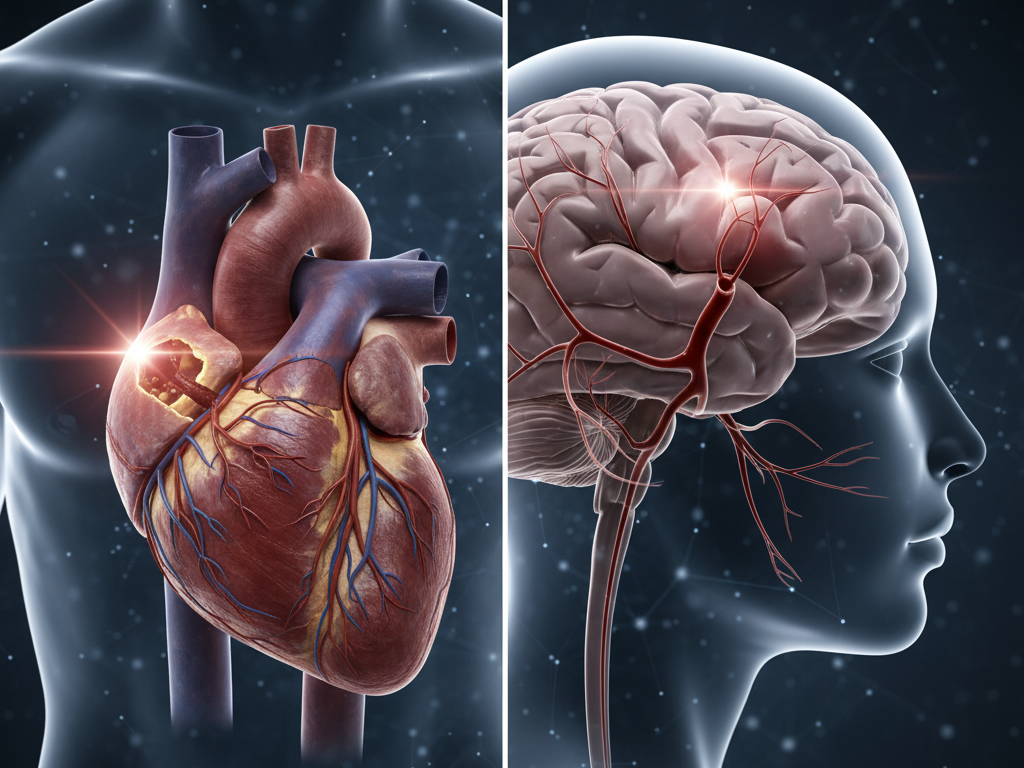
    Understanding the fundamental key differences between a heart attack (Myocardial Infarction) and a stroke (Cerebrovascular Accident) is more than just academic knowledge—it is truly lifesaving knowledge. While both are considered cardiovascular events, they affect different organs and present with unique symptoms, demanding distinct medical responses. Knowing which organ is under attack determines the specific treatment path and dramatically influences the patient’s chances of recovery.

    This comprehensive guide will demystify these two major health threats. We will dive deep into the specific causes, contrasting symptoms, and the shared prevention strategies that can protect your vital organs. Empower yourself with the knowledge to recognize, differentiate, and potentially prevent these two leading causes of global morbidity and mortality.


    The Core Distinction: Organ Under Attack

    The most fundamental key difference between a heart attack and a stroke lies in the organ that suffers the critical loss of oxygen and nutrients. Both are typically caused by a blockage, but where that blockage occurs defines the crisis.

    The Heart Attack: A Plumbing Problem in the Cardiac Muscle

    A heart attack occurs when blood flow to the heart muscle itself is severely reduced or completely blocked. This blockage is most commonly caused by a rupture of plaque (atherosclerosis) within the coronary arteries, which supply oxygen-rich blood to the heart. When the heart muscle is starved of oxygen, it begins to die, leading to the infarction.

    The primary mechanism is a circulatory failure localized to the heart. The severity of the damage depends on the size of the artery blocked and the duration of the lack of blood flow. Timely medical intervention is essential to restore blood flow and save the cardiac tissue.

    The Stroke: A Blockage or Bleed in the Brain

    A stroke occurs when blood flow to a specific area of the brain is suddenly interrupted. Since brain cells begin to die within minutes without oxygen, a stroke is a true neurological emergency. Strokes are categorized into two main types:

    • Ischemic Stroke (87% of cases): This type is caused by a blockage—a blood clot that travels to or forms in an artery supplying the brain. This is similar to the cause of a heart attack but occurs in the brain’s circulation.
    • Hemorrhagic Stroke (13% of cases): This type is caused by a blood vessel rupturing and bleeding into the brain tissue, leading to swelling and damaging brain cells.

    The location of the stroke determines the specific symptoms and the resulting neurological deficits, as different parts of the brain control different bodily functions.


    Symptoms and Warning Signs: How to Differentiate the Crisis

    While both are life-threatening emergencies, the symptoms of a heart attack are typically focused on the chest and upper body, while the symptoms of a stroke are primarily neurological and focus on the face, limbs, and speech. Recognizing these key differences allows for quicker emergency response and better patient outcomes.

    The Symptoms of a Heart Attack

    A heart attack often presents as crushing chest pain, but the symptoms can be varied and, crucially, may be very different for men and women.

    • Classic Chest Pain (Angina): Discomfort, pressure, squeezing, fullness, or pain in the center of the chest that lasts more than a few minutes, or goes away and comes back. This is the most common symptom.
    • Upper Body Discomfort: Pain or discomfort radiating to one or both arms (often the left), the back, neck, jaw, or stomach.
    • Shortness of Breath: This may occur before or accompany the chest discomfort.
    • Other Symptoms (More Common in Women):
      • Unusual fatigue that lasts for days.
      • Nausea, vomiting, or lightheadedness.
      • Cold sweat or clamminess.

    Note: If you suspect a heart attack, call emergency services immediately. Do not attempt to drive yourself or the patient to the hospital.

    The Symptoms of a Stroke: Recognizing F.A.S.T.

    The most widely taught, effective method for spotting a stroke is the F.A.S.T. acronym. Time is brain, and immediate recognition is paramount for utilizing clot-busting drugs (thrombolytics) which must be administered within a specific, short time window.

    • F – Face Drooping: Ask the person to smile. Does one side of the face droop or feel numb?
    • A – Arm Weakness: Ask the person to raise both arms. Does one arm drift downward? Is one arm weak or numb?
    • S – Speech Difficulty: Ask the person to repeat a simple phrase. Is their speech slurred, strange, or difficult to understand? Are they unable to speak?
    • T – Time to Call 911 (or local emergency services): If any of these symptoms are present, even if they disappear, call immediately. Note the time the first symptom appeared.

    Other stroke symptoms may include sudden severe headache, sudden trouble seeing in one or both eyes, sudden trouble walking, dizziness, or loss of balance.


    Shared Causes and Common Risk Factors

    Despite their distinct locations and manifestations, heart attack and stroke are fundamentally diseases of the vascular system. This means they share the same major risk factors and prevention strategies. Addressing these underlying issues is the key to long-term health.

    The Primary Cause: Atherosclerosis

    The vast majority of both heart attack (blockage of coronary arteries) and ischemic stroke (blockage of cerebral arteries) are rooted in atherosclerosis—the buildup of fatty plaque inside the artery walls. This plaque narrows the vessels, making them stiff and restricting blood flow. When the plaque ruptures, it forms a clot that can completely block the artery, triggering the event.

    Key Risk Factors Common to Both

    For those seeking to reduce their cardiovascular risk, focusing on the following modifiable risk factors is essential for prevention.

    Risk FactorImpact on Cardiovascular HealthPrevention Strategy
    High Blood Pressure (Hypertension)Damages and stiffens arteries, making them prone to plaque rupture and clotting in both the heart and brain.Healthy eating (DASH diet), sodium reduction, and consistent medication.
    High CholesterolLeads directly to the buildup of fatty plaque in artery walls (atherosclerosis).Limit saturated and trans fats; increase soluble fiber and omega-3s.
    DiabetesHigh blood sugar levels damage blood vessel walls, greatly accelerating atherosclerosis and increasing the risk of clots.Strict blood sugar control through diet, physical exercise, and medication.
    ObesityIncreases the workload on the heart and is linked to high blood pressure, diabetes, and high cholesterol.Weight loss through balanced healthy eating and routine physical exercise.
    SmokingChemicals damage the lining of blood vessels, accelerate plaque growth, and thicken the blood, increasing the risk of clot formation.Cessation is the single most important preventative action.
    Physical InactivityContributes to high blood pressure, obesity, and poor circulation.Aim for 150 minutes of moderate physical exercise per week.

    Prevention and Recovery: Long-Term Health Strategies

    Since the underlying causes are shared, the prevention strategies for heart attack and stroke are virtually identical, focusing on comprehensive lifestyle changes to achieve optimal health.

    Primary Prevention: The Lifestyle Foundation

    The most effective tool against both cardiovascular events is a commitment to a healthy lifestyle.

    1. Adopt a Heart-Healthy Diet: Emphasize the DASH (Dietary Approaches to Stop Hypertension) or the Mediterranean diet. These focus on whole grains, fruits, vegetables, lean protein, and healthy fats while drastically limiting sodium and red meat. This supports weight loss and blood pressure control.
    2. Maintain a Healthy Weight: Losing excess body fat reduces the strain on your heart and lowers blood pressure levels. Even a modest weight loss of 5-10% can significantly lower cardiovascular risk.
    3. Exercise Regularly: Engage in routine physical exercise (e.g., brisk walking, swimming) for at least 30 minutes, most days of the week. Exercise strengthens the heart and makes blood vessels more flexible.
    4. Manage Chronic Conditions: Work closely with your physician to keep blood pressure, cholesterol, and blood sugar levels within recommended target ranges through medication and monitoring.

    The Road to Recovery: Rehabilitation

    Recovery after both a heart attack and a stroke involves specialized rehabilitation, although the focus differs significantly based on the damaged organ.

    • Heart Attack Recovery (Cardiac Rehab): Focuses on restoring the heart’s function. This involves monitored physical exercise, nutritional counseling, emotional support, and intensive patient education on medication management. The goal is to strengthen the remaining heart muscle and prevent future events.
    • Stroke Recovery (Neurological Rehab): Focuses on regaining lost neurological function. This involves physical therapy (to regain movement), occupational therapy (to relearn daily tasks), and speech therapy (to regain communication skills). The brain’s plasticity allows healthy areas to take over functions from damaged areas, making intensive early rehab critical for meaningful recovery.

    Frequently Asked Questions (FAQ)

    Is a “mini-stroke” the same as a TIA?

    Yes. A Transient Ischemic Attack (TIA) is often called a “mini-stroke.” It is caused by a temporary blockage of blood flow to the brain, causing stroke-like symptoms that typically last less than 24 hours (often just a few minutes) and cause no permanent damage. However, a TIA is a major warning sign that a full stroke may follow soon, and requires immediate medical evaluation and aggressive prevention strategies.

    Does a heart attack always involve chest pain?

    No. While severe chest pain is the classic symptom, a significant number of heart attacks—particularly in women, older adults, and individuals with diabetes—can be “silent” or present with atypical symptoms like profound fatigue, nausea, shortness of breath, or discomfort only in the jaw or back. This highlights why regular health screenings are so important.

    How are the two crises treated differently in the emergency room?

    The initial goal for both is restoring blood flow, but the treatments are organ-specific:

    • Heart Attack: Treatment often involves catheterization procedures (angioplasty and stenting) to physically open the blocked coronary arteries and administer anti-clotting drugs.
    • Stroke: For an ischemic stroke, treatment involves administering clot-busting drugs (thrombolytics) within a critical 3-4.5 hour window, or performing mechanical thrombectomy (removing the clot) for large vessel blockages. Hemorrhagic strokes require surgery to control the bleeding and relieve pressure.

    Conclusion

    Both the heart attack and the stroke are urgent cardiovascular events demanding immediate recognition and specialized care. While a heart attack attacks the heart muscle, a stroke attacks the brain. Knowing the key differences—especially the neurological symptoms (F.A.S.T.) of a stroke versus the chest/upper body symptoms of a heart attack—is crucial for ensuring rapid emergency response and increasing the chances of full recovery.

    Crucially, both crises share common ground: they are largely preventable. By controlling blood pressure, managing weight loss, adopting healthy eating habits, and committing to regular physical exercise, you can drastically reduce your cardiovascular risk and secure your long-term health.

    Ready to take control of your cardiovascular risk? Schedule your next blood pressure and cholesterol screening today, and check out our guides on the DASH diet and effective physical exercise routines to start building your foundation for optimal health!

  • Receiving a cancer diagnosis is arguably one of the most frightening and life-altering moments a person can face. The journey through cancer treatment—spanning surgery, chemotherapy, radiation, and recovery—is complex, challenging, and emotionally exhausting. While oncologists lead the medical strategy, the true backbone of continuous, compassionate, and comprehensive support in cancer care rests squarely on the shoulders of oncology nurses.

    These dedicated healthcare professionals are the constant presence in a patient’s life, bridging the gap between clinical science and human experience. They are the primary source of patient education, symptom management, and emotional support, transforming the often-sterile medical environment into a place of personalized care. Their multifaceted role in patient support extends well beyond administering medication; it encompasses psychological, practical, and spiritual care.

    This in-depth article will illuminate the indispensable role of nurses in cancer care, detailing the specialized functions they perform and the profound impact they have on a patient’s quality of life and treatment outcomes. By understanding the breadth of their responsibilities, patients and families can better appreciate the holistic support provided by these frontline heroes in their journey toward cancer recovery.


    The Oncology Nurse: The Patient’s Navigator and Advocate

    The oncology nurse is a specialized healthcare professional who has undergone advanced training to manage the unique physical and psychological needs of cancer patients. They serve as the central hub of the cancer care team, translating complex medical jargon into understandable information and ensuring seamless coordination of care.

    The Role in Patient Education and Empowerment

    A cancer diagnosis often leaves patients feeling powerless, fearful, and overwhelmed by information. The oncology nurse’s primary mission is to restore a sense of control and empower the patient through thorough, empathetic patient education.

    • Treatment Literacy: Nurses meticulously explain the treatment plan, including the purpose, potential side effects, and schedule of chemotherapy, radiation, or immunotherapy. They demystify the complex science behind the treatment, making it less frightening.
    • Medication Management: They teach patients and caregivers how to safely store and administer complicated oral and injectable medications at home. This includes vital instruction on managing anti-nausea drugs, pain relievers, and prophylactic antibiotics.
    • Symptom Anticipation: Crucially, nurses educate patients on when and how to expect side effects (like fatigue or low blood counts). This anticipation allows patients to prepare for difficult days, reducing anxiety and preventing unnecessary emergency visits. For example, knowing that extreme fatigue typically peaks 48 hours after a specific chemotherapy cycle allows the patient to schedule rest accordingly.

    Clinical Coordination and Advocacy

    The oncology nurse is the essential communication link between the patient, the physician, the pharmacy, and the social work team. Their coordinating role ensures that cancer care remains efficient and patient-centered.

    • Translating Symptoms: Nurses are experts at observing, assessing, and documenting subtle symptoms and side effects reported by the patient. They accurately translate these subjective experiences into objective clinical data for the oncologist, ensuring timely adjustment of the treatment plan.
    • Patient Advocacy: When a patient is too ill, confused, or intimidated to speak up, the nurse steps in as a powerful patient advocate. They ensure that the patient’s wishes regarding comfort, pain management, and quality of life are heard and prioritized within the clinical setting.
    • Managing Emergencies: Nurses are trained to recognize and rapidly intervene in oncologic emergencies, such as febrile neutropenia (fever with low white blood cell count), which is a potentially life-threatening complication of chemotherapy. Their quick assessment and action are often lifesaving.

    Managing the Physical and Emotional Landscape of Cancer

    The journey through cancer treatment involves a continuous battle against difficult physical symptoms and profound emotional distress. The oncology nurse is constantly on the frontline of managing both domains, providing truly holistic patient support.

    Expert Symptom Management

    The immediate physical role of nurses in cancer care centers on managing the pervasive side effects of treatment, which directly impact the quality of life during therapy.

    • Pain Control: Nurses are skilled in assessing chronic and acute pain, using standardized pain scales to ensure patients receive adequate and timely pain medication. They also teach non-pharmacological techniques, like guided imagery and relaxation.
    • Nausea and Vomiting: Chemotherapy-induced nausea and vomiting (CINV) are major sources of distress. Nurses administer potent antiemetic drugs and coach patients on dietary adjustments, timing of meals, and environmental changes to minimize severe nausea.
    • Fatigue Management: Cancer-related fatigue (CRF) is one of the most common and debilitating symptoms. Nurses validate the patient’s experience, often debunking the myth that fatigue is “just tiredness,” and teach energy conservation techniques, mild physical exercise protocols, and sleep hygiene practices to mitigate CRF’s impact.
    • Nutritional Support: Treatment often affects appetite and the ability to swallow. Nurses monitor nutritional status closely, working with dieticians to manage weight loss, dysphagia (swallowing difficulties), and altered taste perception, ensuring the patient maintains the strength needed for cancer recovery.

    Providing Crucial Emotional Support

    Beyond the body, the oncology nurse is a key provider of emotional support and psychological triage. They spend more time at the patient’s bedside than any other healthcare professional, making them uniquely positioned to address psychological needs.

    • Active Listening: Nurses create a safe space for patients to express fear, anger, grief, and uncertainty about their diagnosis and future. Simple, non-judgmental active listening is a core component of their daily practice.
    • Addressing Anxiety and Fear: The constant worry about recurrence or treatment failure is pervasive. Nurses provide coping strategies, refer patients to counseling services, and normalize their feelings, helping to reduce anxiety and improve mental well-being.
    • Family Support: A cancer diagnosis affects the entire family unit. Nurses offer guidance and emotional support to caregivers, teaching them practical care techniques and helping them cope with their own stress and burnout, ensuring the support network remains strong.

    The Specialized Roles of Oncology Nurses

    The breadth of the role of nurses in cancer care is highlighted by the various specialized roles they fulfill throughout the continuum of care, from initial diagnosis to survivorship.

    The Chemotherapy Infusion Nurse

    These nurses are experts in the administration of highly toxic and complex agents. Their responsibilities demand precision, vigilance, and continuous education.

    • Safe Administration: They ensure the correct dosage, infusion rate, and sequence of chemotherapy drugs, meticulously following safety protocols to prevent medication errors.
    • Vascular Access Management: They manage central lines (PICC lines, ports), ensuring they are sterile and functioning correctly for long-term treatment access, a key aspect of minimizing infection risk.
    • Handling Hypersensitivity: They are trained to monitor patients for immediate or delayed allergic reactions (hypersensitivity) during the infusion, ready to provide emergency intervention if needed.

    The Nurse Navigator

    The nurse navigator is a dedicated guide who helps patients and families overcome barriers within the often-fragmented healthcare system.

    • Streamlining Care: They schedule appointments, coordinate between multiple specialists (surgeons, oncologists, radiologists), and track test results, ensuring the patient never gets lost in the system.
    • Resource Connection: They connect patients with vital non-medical resources, such as financial assistance programs, transportation services, support groups, and home care agencies.
    • Psychosocial Assessment: They conduct initial assessments of a patient’s socioeconomic and psychological needs, ensuring they receive holistic patient support that goes beyond the immediate medical plan.

    The Palliative and Survivorship Nurse

    The oncology nurse’s work continues long after active treatment ends, focusing on survivorship and, when needed, comfort.

    • Survivorship Care Plans: Nurses help create and manage personalized care plans for survivors, outlining follow-up screenings, potential late effects of treatment (like cardiac issues or secondary cancers), and strategies for long-term health.
    • Palliative Care: In advanced stages of disease, the nurse is central to palliative care, focusing entirely on quality of life, expert pain control, and symptom relief, providing dignity and comfort to both the patient and family.

    Frequently Asked Questions (FAQ)

    What qualifications does an Oncology Nurse need?

    An oncology nurse must first be a Registered Nurse (RN). They then gain specialized clinical experience working with cancer patients and often pursue certification, such as the Oncology Certified Nurse (OCN) credential, demonstrating advanced knowledge in cancer care and patient support.

    How can I best communicate my symptoms to my nurse?

    The best way to communicate is by being specific and tracking your symptoms. Before your appointment, write down the symptom (e.g., pain, nausea), its severity (on a 1-10 scale), when it started, and what you did to try and relieve it. This clear data helps the nurse quickly assess the situation and tailor your care.

    Is it normal to feel anxious even after cancer treatment ends?

    Yes, absolutely. This phenomenon is known as the “fear of recurrence” and is a common part of the survivorship experience. Nurses and support groups are crucial for helping survivors manage this anxiety. They can teach coping mechanisms and encourage focusing on wellness and living fully in the present, rather than dwelling on future possibilities.


    Conclusion

    The role of nurses in cancer care is truly indispensable. They are not merely executors of medical orders but are highly specialized healthcare professionals who function as expert educators, vigilant clinical coordinators, and profound sources of emotional support. The personalized, patient-centered approach of the oncology nurse is often the deciding factor in a patient’s quality of life during the arduous journey of cancer treatment and cancer recovery.

    By ensuring expert symptom management, providing thorough patient education, and offering unwavering emotional support, nurses empower patients to face the silent killer with resilience and hope. Their dedication defines the essence of holistic cancer care.

    Take Action for Your Health: If you or a loved one is navigating cancer care, ensure you utilize the full expertise of your oncology nurse. Don’t hesitate to ask questions about your treatment or seek emotional support. Explore our resource library for comprehensive guides on managing common symptoms and enhancing your mental well-being during treatment!

  • In the global landscape of chronic diseases, few conditions are as pervasive, yet as insidious, as hypertension, commonly known as high blood pressure. It’s earned the terrifying moniker of the “silent killer” because it often presents no warning symptoms while relentlessly damaging the cardiovascular system and vital organs. Many people walk around with dangerously elevated blood pressure levels for years, completely unaware of the ticking clock within their own bodies.

    Understanding hypertension is not just about memorizing numbers; it’s about recognizing a fundamental risk to your long-term health and taking proactive control. Uncontrolled high blood pressure dramatically increases the risk of heart attack, stroke, kidney failure, and other debilitating conditions, making prevention and early diagnosis absolutely critical.

    This comprehensive guide will demystify hypertension, explaining what those numbers really mean and why the condition is so dangerous. More importantly, we will provide a detailed, science-backed blueprint for hypertension prevention and management. By focusing on lifestyle changes, healthy eating, and consistent monitoring, you can effectively silence this invisible threat and secure a future of optimal health.


    What is Hypertension and Why is it Called the Silent Killer?

    To understand hypertension, we must first understand blood pressure itself. Blood pressure is the force of blood pushing against the walls of your arteries as your heart pumps. This pressure is essential for circulating oxygen and nutrients, but when it becomes chronically too high, it exerts enormous, damaging strain on the entire cardiovascular system.

    Decoding Your Blood Pressure Levels

    Blood pressure is measured in two numbers, given in millimeters of mercury (mmHg):

    • Systolic Pressure (The Top Number): This measures the pressure in your arteries when your heart beats (when the heart muscle contracts).
    • Diastolic Pressure (The Bottom Number): This measures the pressure in your arteries when your heart rests between beats.

    According to major medical organizations, hypertension is typically diagnosed when blood pressure levels are consistently 130/80 mmHg or higher. Recognizing and acting on these numbers is crucial for hypertension prevention and management.

    CategorySystolic (mmHg)Diastolic (mmHg)Action Required
    NormalLess than 120Less than 80Maintain healthy habits.
    Elevated120–129Less than 80Lifestyle changes are critical to prevent progression.
    Hypertension (Stage 1)130–13980–89Lifestyle changes plus medication review with a doctor.
    Hypertension (Stage 2)140 or higher90 or higherMedication and aggressive lifestyle changes immediately.

    The Insidiousness of the “Silent Killer”

    The term “silent killer” is apt because in the vast majority of cases, high blood pressure produces no obvious symptoms. You don’t feel dizzy, you don’t feel pain, and you don’t feel different until the damage has become severe. The first noticeable symptom of hypertension is often a catastrophic event, such as a stroke or heart attack, caused by years of chronic arterial damage.

    This lack of initial symptoms makes regular screening—even if you feel completely fine—the single most important step in prevention. By the time severe symptoms like severe headache, shortness of breath, or nosebleeds appear, your blood pressure levels are likely dangerously high and warrant immediate medical intervention.


    The Root Causes: Risk Factors for Hypertension

    Hypertension is rarely caused by a single factor; rather, it typically results from a complex interaction between genetics, lifestyle, and environment. Understanding these risk factors is the foundation of any effective hypertension prevention plan focused on long-term health.

    Modifiable Lifestyle Risk Factors

    These are the factors you can actively control through conscious daily choices. Making changes in these areas is the most powerful way to lower your blood pressure levels.

    • High Sodium Intake: Consuming too much sodium (salt) causes your body to retain fluid, which increases the volume of blood in your vessels, directly elevating blood pressure. The goal for most people, especially those with hypertension, is less than 1,500 mg of sodium per day.
    • Physical Inactivity: Lack of physical activity is strongly linked to high blood pressure. Regular exercise strengthens the heart, allowing it to pump blood with less effort, which, in turn, lowers the pressure on artery walls.
    • Obesity and Excess Weight: Carrying excess weight increases the demands on your heart and often leads to an increase in blood volume, contributing to higher blood pressure levels and insulin resistance. Weight loss is one of the most effective strategies for reducing hypertension.
    • Excessive Alcohol Consumption: Heavy drinking can significantly raise blood pressure and may interfere with the effectiveness of blood pressure medications.
    • Chronic Stress: High levels of stress cause the body to release hormones that temporarily constrict blood vessels and increase heart rate. Over time, chronic stress can contribute to sustained high blood pressure.
    • Smoking: Nicotine constricts blood vessels, temporarily raising blood pressure. More importantly, the chemicals in tobacco damage the lining of artery walls, accelerating atherosclerosis and permanently increasing risk.

    Non-Modifiable Risk Factors

    These are factors that you cannot change, but they should increase your vigilance regarding monitoring and hypertension prevention.

    • Age: The risk of high blood pressure increases with age, as arteries naturally stiffen over time, requiring the heart to push harder.
    • Family History and Genetics: If your parents or close relatives have hypertension, your risk is significantly higher. Genetics play a major role in determining your susceptibility.
    • Race/Ethnicity: High blood pressure is more prevalent and often develops earlier in African Americans, who also have a higher risk of severe complications like stroke.

    The Blueprint for Hypertension Prevention: Lifestyle Changes that Work

    The good news is that hypertension prevention is highly achievable. Even if you have genetic risk factors, consistent lifestyle changes can often normalize blood pressure levels or significantly reduce the need for medication. This plan is focused on holistic, long-term health improvements.

    1. Diet and Healthy Eating: The DASH Strategy

    Dietary changes are the cornerstone of lowering blood pressure. The most effective eating plan is the Dietary Approaches to Stop Hypertension (DASH) diet, which emphasizes specific nutrients proven to help manage pressure.

    • Reduce Sodium: This is the single most powerful dietary change. Focus on eating fresh, unprocessed foods and avoid canned soups, fast food, and highly processed snacks. Read food labels diligently to track your daily sodium intake.
    • Increase Potassium, Magnesium, and Calcium: These minerals work to counteract the effects of sodium. The DASH diet is naturally rich in them, primarily through:
      • Fruits and Vegetables: Aim for 8–10 servings daily, including bananas (potassium) and leafy greens (magnesium).
      • Whole Grains: Choose whole wheat, oats, and brown rice over refined grains.
      • Low-Fat Dairy: Incorporate skim milk, low-fat yogurt, and cheese for calcium.
    • Limit Saturated and Total Fat: Focus on healthy eating by choosing lean protein and incorporating unsaturated fats from sources like olive oil, avocados, and nuts.

    2. Physical Activity: The Arterial Tune-Up

    Regular exercise is essential for a sustainable blood pressure reduction. It strengthens your heart and keeps your blood vessels flexible, improving circulation and lowering pressure.

    • Aerobic Exercise: Aim for at least 150 minutes of moderate-intensity aerobic exercise per week (e.g., brisk walking, cycling, swimming) or 75 minutes of vigorous exercise. This helps your heart become more efficient.
    • Strength Training: Incorporate strength and resistance training at least twice a week. Building muscle mass improves metabolism and aids in weight loss, further helping to manage blood pressure levels.
    • Consistency is Key: Break up your exercise into smaller, manageable chunks (e.g., three 10-minute walks per day). The cumulative effect is what matters most for long-term health.

    3. Weight Management and Optimal Health

    For those who are overweight or obese, even modest weight loss can produce significant blood pressure improvements.

    • The Power of 10%: Losing just 5–10% of your current body weight can dramatically reduce your risk of hypertension and help you achieve optimal health.
    • Focus on Body Mass Index (BMI): Aim to keep your BMI below 25. Combining the DASH diet with regular physical activity is the most sustainable path to achieving and maintaining a healthy weight.

    4. Managing Stress and Limiting Substance Use

    These emotional and lifestyle factors must be addressed directly to ensure effective hypertension prevention.

    • Mindfulness and Relaxation: Practice daily stress-reduction techniques such as deep breathing, meditation, or yoga. These activities can lower your heart rate and directly reduce acute blood pressure spikes.
    • Limit Alcohol: If you drink, do so in moderation. This means no more than one drink per day for women and two drinks per day for men. Excessive alcohol consumption is directly toxic to the cardiovascular system.
    • Quit Smoking: Quitting tobacco is one of the single most impactful actions you can take for your long-term health. The benefits begin almost immediately after your last cigarette.

    Diagnosis and Monitoring: Taking Control of Your Numbers

    Because hypertension is a silent killer with no obvious symptoms, routine blood pressure screening is vital. Early diagnosis and consistent home monitoring are the pillars of controlling this condition.

    The Importance of Regular Screening

    For healthy adults, blood pressure should be checked during annual physical exams. However, if you are over 40, are overweight, or have existing risk factors, your doctor may recommend more frequent checks.

    • In-Office Measurement: Your doctor will use an arm cuff to measure your pressure. Ensure you rest quietly for a few minutes before the measurement and avoid caffeine or exercise beforehand for the most accurate reading.
    • Ambulatory Monitoring: In some cases, a doctor may recommend a portable device that measures your blood pressure automatically over a 24-hour period while you go about your normal routine. This can help rule out “white coat syndrome” (elevated pressure only in the doctor’s office).

    Home Monitoring: Your Daily Defense

    Monitoring your blood pressure levels at home provides crucial data on how your lifestyle changes or medications are working in your real-life environment.

    1. Use a Calibrated Device: Purchase an automatic, cuff-style monitor that measures pressure on your upper arm. Wrist or finger monitors are generally less accurate.
    2. Measure Consistently: Take your blood pressure twice a day—once in the morning before eating or taking medication, and once in the evening. Take two readings each time, waiting one minute between them.
    3. Log Your Readings: Keep a written or digital log of all your readings. This log is the single most useful piece of information you can provide your doctor to help tailor your hypertension prevention and treatment plan.

    Frequently Asked Questions (FAQ)

    Can hypertension be cured by lifestyle changes alone?

    For many people with elevated blood pressure or Stage 1 hypertension, significant lifestyle changes like adopting the DASH diet, achieving weight loss, and starting regular physical activity can be enough to reach and maintain normal blood pressure levels without medication. However, those with Stage 2 or severe hypertension will likely need medication in addition to these changes for effective blood pressure control.

    Is a temporary spike in blood pressure dangerous?

    A temporary spike during times of stress, fear, or intense physical activity is normal and generally not dangerous for healthy individuals. However, frequent and extreme spikes caused by uncontrolled chronic stress, severe pain, or certain substances can still damage arteries over time. If your blood pressure suddenly spikes very high (e.g., over 180/120 mmHg), seek emergency medical attention immediately.

    What are the best exercises for lowering blood pressure?

    Aerobic exercise is the most effective. Brisk walking, running, swimming, cycling, or using an elliptical machine are excellent choices. Consistency is more important than intensity. Aim for at least 30 minutes, five days a week, for optimal blood pressure control. Resistance training should be added for comprehensive long-term health benefits.


    Conclusion

    Hypertension is a pervasive and dangerous condition, aptly named the silent killer due to its lack of symptoms and serious risks, including stroke and heart attack. Yet, armed with knowledge, you have the power to protect yourself. Achieving optimal health and hypertension prevention is not a passive pursuit—it is a conscious daily commitment to the health of your arteries.

    By consistently reducing sodium intake, embracing the DASH diet for healthy eating, prioritizing regular physical activity, and vigilantly monitoring your blood pressure levels, you effectively defuse this silent threat. These lifestyle changes are the most powerful medicine available for securing your long-term health and maintaining robust blood pressure control.

    Ready to start your journey toward optimal blood pressure? Take the first step today by measuring your blood pressure and tracking your daily sodium intake. Explore our related articles on low-sodium recipes and stress-reduction techniques to fortify your defenses against the silent killer!

  • Diabetes mellitus is one of the most widespread chronic diseases globally, affecting hundreds of millions of people and challenging public health systems everywhere. Often misunderstood, this condition goes far beyond just high blood sugar; it is a complex metabolic disorder that, if left unmanaged, can lead to serious, life-altering complications impacting the heart, kidneys, eyes, and nerves.

    Navigating a diabetes diagnosis, whether for yourself or a loved one, can feel overwhelming. You’re suddenly faced with complex terms like blood sugar control, insulin resistance, and continuous monitoring. However, gaining a solid understanding of the causes and symptoms of diabetes is the first and most critical step toward effective management and maintaining optimal health.

    This comprehensive article provides an in-depth look into the various types of diabetes, the underlying pathophysiology, the warning signs you should never ignore, and, most importantly, the essential principles of nursing care and self-management that empower patients to live full, healthy lives. By demystifying this condition, we aim to provide clarity, confidence, and actionable knowledge for effective diabetes management.


    What is Diabetes? The Core Pathophysiology Explained

    At its heart, diabetes is a disorder characterized by hyperglycemia—abnormally high levels of glucose (sugar) in the blood. This occurs because the body either doesn’t produce enough insulin (a hormone made by the pancreas) or can’t effectively use the insulin it does produce (known as insulin resistance).

    Glucose, Insulin, and Energy

    To understand diabetes, you must first understand the relationship between glucose and insulin. When you eat, food is broken down into glucose, which is the body’s main source of fuel. Insulin acts as the key, unlocking the doors of your cells (muscle, fat, and liver cells) to allow glucose to enter and be used for energy.

    In a person with diabetes, this process is broken. Without the “key,” the glucose remains locked out of the cells and accumulates in the bloodstream. This starves the cells of energy while simultaneously damaging blood vessels due to the excessive sugar circulating in the blood.

    The Major Types of Diabetes

    While there are many variations, diabetes is typically categorized into three main types, each with a distinct cause and pathophysiology.

    • Type 1 Diabetes (T1D): This type is an autoimmune disease where the body’s immune system mistakenly attacks and destroys the insulin-producing beta cells in the pancreas. As a result, the body produces very little or no insulin. T1D typically develops in childhood or adolescence but can occur at any age. It requires lifelong insulin therapy.
    • Type 2 Diabetes (T2D): This is the most common form of diabetes, making up about 90–95% of all cases. T2D is characterized by insulin resistance, meaning the cells don’t respond well to insulin. Initially, the pancreas compensates by producing more, but over time, it can’t keep up, leading to high blood sugar control issues. T2D is strongly linked to genetics, lifestyle factors like diet, and obesity.
    • Gestational Diabetes Mellitus (GDM): This type develops during pregnancy when placental hormones cause insulin resistance. It typically resolves after delivery but significantly increases the mother’s risk of developing T2D later in life and poses risks to the fetus, such as excessive birth weight (macrosomia).

    Warning Signs: Common Symptoms and Early Diagnosis

    Recognizing the symptoms of diabetes early is essential for timely diagnosis and preventing severe complications. The classic warning signs are often subtle and can easily be dismissed as general fatigue or stress, especially in the early stages of T2D.

    The Classic “Three Ps”

    The most widely recognized and frequently reported symptoms of diabetes are often referred to as the “Three Ps.” These occur because the kidneys try to flush the excess glucose out of the blood through urine, pulling large amounts of water with it.

    • Polyuria (Frequent Urination): The body attempts to eliminate excess glucose via the urine, which increases the frequency and volume of urination. This symptom can be particularly noticeable at night (nocturia).
    • Polydipsia (Increased Thirst): Due to the high fluid loss caused by frequent urination, the body signals intense thirst in an attempt to rehydrate.
    • Polyphagia (Increased Hunger): Despite eating, cells are starved for energy because glucose cannot enter without working insulin. This triggers persistent hunger, even after meals.

    Other Critical Symptoms to Watch For

    Beyond the classic triad, several other symptoms of diabetes should prompt immediate medical attention and diagnosis.

    • Unexplained Weight Loss: Especially common in T1D, the body begins to break down muscle and fat for energy when cells can’t access glucose.
    • Fatigue and Weakness: The inability of cells to access their primary fuel source (glucose) leads to chronic tiredness, even after adequate rest.
    • Blurred Vision: High blood sugar can cause fluid to be pulled from the lens of the eye, affecting focus and causing temporary blurry vision.
    • Slow-Healing Sores or Frequent Infections: High glucose levels impair the body’s natural healing process and weaken the immune system, leading to slow-healing cuts, recurrent skin infections, or frequent yeast infections.
    • Tingling or Numbness (Neuropathy): Over time, high blood sugar damages nerves, often starting in the hands and feet. This is an early sign of a serious complication called diabetic neuropathy.

    Principles of Diabetes Management and Nursing Care

    Effective diabetes management is fundamentally a team effort involving the patient, endocrinologists, dieticians, and, critically, nursing care. Nurses are often the primary educators and motivators, guiding patients through the complexities of daily self-care and monitoring.

    Goal Setting: Achieving Optimal Blood Sugar Control

    The overarching goal of all diabetes management is achieving and maintaining blood sugar control within a target range to prevent both short-term emergencies (like hypo- or hyperglycemia) and long-term complications.

    • Glycated Hemoglobin (HbA1c​): This blood test measures average blood sugar levels over the past two to three months. The target for most adults with diabetes is below 7% (though targets can vary based on age and comorbidities).
    • Fasting Plasma Glucose (FPG): A test measuring glucose after fasting for at least eight hours. The target is typically 80−130 mg/dL.
    • Postprandial Glucose: Blood sugar measured one to two hours after eating. Monitoring this helps patients understand how specific foods affect their individual glucose response.

    Essential Pillars of Nursing Care and Patient Education

    Nursing care is holistic and focuses on empowering the patient through education and emotional support. Nurses teach patients how to effectively integrate complex medical requirements into their daily lives.

    1. Medication and Insulin Management:
      • Education: Teaching patients the proper technique for administering insulin (injection sites, rotation, storage) and the purpose, dosage, and timing of oral medications.
      • Monitoring: Ensuring the patient understands the relationship between their medication, food intake, and physical activity to prevent dangerous fluctuations in blood sugar.
    2. Nutritional Guidance (Healthy Eating):
      • Carbohydrate Counting: Educating T1D patients on how to count carbohydrates to accurately match their insulin dose (insulin-to-carb ratio).
      • Meal Planning: Guiding T2D patients toward balanced healthy eating patterns, emphasizing whole foods, fiber, and controlling portion sizes to manage weight loss and improve insulin resistance.
    3. Blood Glucose Monitoring and Interpretation:
      • Skill Training: Teaching the patient how to use their blood sugar monitor or Continuous Glucose Monitor (CGM) correctly.
      • Data Analysis: Empowering the patient to interpret their own glucose trends and adjust their food, insulin, or activity levels accordingly.
    4. Hypo/Hyperglycemia Management:
      • Recognition: Training the patient and family members to recognize the symptoms of low blood sugar (hypoglycemia: shakiness, confusion, sweating) and high blood sugar (hyperglycemia: excessive thirst, blurred vision).
      • Treatment: Teaching the “Rule of 15” for treating hypoglycemia (consuming 15 grams of simple carbohydrates and rechecking glucose in 15 minutes).
    5. Foot Care (Preventing Neuropathy):
      • Inspection: Due to nerve damage (neuropathy) and poor circulation, patients are taught to inspect their feet daily for cuts, blisters, or sores.
      • Protection: Emphasizing the need for well-fitting shoes and professional nail care to prevent minor injuries from escalating into severe infections or amputations.

    Long-Term Complications and Prevention

    The true danger of poorly managed diabetes lies in the long-term damage caused by persistently high blood sugar. Over time, this sugar damages the inner lining of blood vessels throughout the body, leading to macrovascular (large vessel) and microvascular (small vessel) complications.

    Macrovascular Complications: Heart and Brain

    Diabetes significantly accelerates atherosclerosis (the hardening and narrowing of arteries), increasing the risk of major cardiovascular events.

    • Coronary Artery Disease (CAD): Increased risk of heart attack due to blockages in the arteries supplying the heart.
    • Stroke: Increased risk of stroke due to blockages in the arteries supplying the brain.
    • Peripheral Artery Disease (PAD): Narrowing of blood vessels in the limbs, often leading to pain, slow wound healing, and amputation risk.

    Microvascular Complications: Eyes, Kidneys, and Nerves

    Damage to the small vessels and nerves can lead to debilitating conditions that require specialized nursing care.

    • Diabetic Retinopathy (Eyes): Damage to the blood vessels in the retina, which can lead to vision loss and blindness. Regular eye exams are critical.
    • Diabetic Nephropathy (Kidneys): Damage to the filtering units of the kidneys, potentially leading to kidney failure, necessitating dialysis or transplantation. Blood pressure control is paramount here.
    • Diabetic Neuropathy (Nerves): Damage to the peripheral nerves, causing pain, tingling, or numbness, typically in the feet. This loss of sensation makes patients highly vulnerable to undetected injuries.

    Frequently Asked Questions (FAQ)

    Can Type 2 Diabetes be Cured?

    While T2D is currently considered a chronic, lifelong condition, it can often be put into remission through aggressive weight loss, intense healthy eating changes, and physical activity. Remission means blood sugar levels return to non-diabetic ranges without medication. However, the patient must maintain the healthy lifestyle changes to prevent relapse.

    What is the “Honeymoon Phase” in Type 1 Diabetes?

    The honeymoon phase is a period shortly after the diagnosis of T1D and the start of insulin therapy where the pancreas temporarily resumes some of its insulin production. During this time, the patient’s blood sugar control is unusually easy, and they may need very little external insulin. This phase can last weeks to months but always ends, requiring the patient to resume full insulin therapy.

    How often should a diabetic check their blood sugar?

    The frequency varies significantly based on the type of diabetes and the treatment regimen.

    • T1D or those on multiple daily insulin injections: Often 4 to 10 times a day, including before and after meals, before bed, and before physical activity.
    • T2D managed with diet/oral medication: May range from once daily to a few times a week, depending on the doctor’s recommendation and the stability of their blood sugar control.

    Conclusion

    Understanding diabetes is the cornerstone of mastering it. It is a disease defined by how the body processes glucose, leading to chronic hyperglycemia that impacts every organ system. Knowing the causes and symptoms—from the classic “Three Ps” to the insidious onset of nerve damage—is vital for early diagnosis and intervention.

    Effective diabetes management is an ongoing, daily commitment to blood sugar control achieved through three pillars: appropriate medication (including insulin), disciplined healthy eating (often guided by nursing care), and consistent physical activity. By focusing on patient education, self-monitoring, and preventative care, we can mitigate the long-term risks, ensuring individuals with diabetes maintain their optimal health and wellness.

    Ready to take control of your health? Consult a health professional to discuss a personalized diabetes management plan, or check out our related resources on meal planning and exercise safety to begin your journey toward better blood sugar control today!

  • In our increasingly fast-paced and demanding world, the challenges to mental well-being are more prevalent than ever. Stress, anxiety, and depression affect millions globally, leading many to seek effective strategies for relief and prevention. While therapeutic interventions and medication certainly play crucial roles, one of the most accessible, potent, and scientifically-backed tools for boosting mental health often goes underutilized: exercise.

    The idea that physical activity can improve your mood isn’t new; people have intuitively felt better after a brisk walk or a challenging workout for centuries. However, modern science has now uncovered the intricate biological and psychological mechanisms that explain this profound link. Exercise and mental health are not just casually connected; they are deeply intertwined, with physical activity acting as a powerful antidepressant, anxiolytic, and cognitive enhancer.

    This comprehensive article will delve into the compelling science behind the connection between physical activity and psychological well-being. We’ll explore how specific types of physical exercise impact brain chemistry, cognitive function, and emotional resilience. Whether you’re battling persistent stress, seeking natural ways to manage anxiety, or simply aiming to sharpen your focus, understanding and leveraging the power of movement can unlock a brighter, more balanced mind.


    Beyond the Body: The Brain-Boosting Power of Exercise

    For a long time, exercise was primarily viewed through the lens of physical fitness – building muscle, losing weight, and improving cardiovascular health. While these benefits are undeniable, the impact of physical activity on the brain and overall mental health is arguably even more transformative. Your brain is not isolated from your body; it responds profoundly to movement.

    Neurochemical Transformations: The Feel-Good Hormones

    One of the most immediate and well-documented ways exercise boosts mental health is through its influence on brain chemistry. Engaging in physical exercise triggers a cascade of neurochemical changes that directly affect mood, stress levels, and emotional regulation. This is the science behind the connection that often provides rapid relief.

    • Endorphin Rush: Often called the body’s natural painkillers, endorphins are neurotransmitters released during and after physical exertion. These chemicals produce feelings of euphoria, reduce pain perception, and create a sense of well-being, commonly known as “runner’s high.” This powerful, natural mood elevator helps combat feelings of sadness and can significantly improve overall mood.
    • Serotonin and Norepinephrine: Exercise increases the production and release of serotonin and norepinephrine, two key neurotransmitters that play a critical role in regulating mood. Low levels of serotonin are frequently associated with depression, making regular physical activity a natural antidepressant. Norepinephrine helps the brain handle stress more effectively.
    • Dopamine Boost: Dopamine is associated with pleasure, motivation, and reward. Exercise, especially activities that are enjoyable or goal-oriented, stimulates dopamine pathways, contributing to improved motivation, a sense of accomplishment, and sustained positive feelings. This can be particularly beneficial for individuals struggling with anhedonia (the inability to feel pleasure) in depression.

    Neurogenesis and Brain Plasticity: Building a Resilient Brain

    The benefits of exercise extend beyond immediate neurochemical shifts; they actually alter the physical structure and function of the brain over time. This concept, known as neuroplasticity, highlights the brain’s ability to reorganize itself by forming new neural connections, and physical exercise is a potent catalyst for this process.

    • BDNF (Brain-Derived Neurotrophic Factor): Exercise significantly increases the production of BDNF, often referred to as “Miracle-Gro for the brain.” BDNF promotes the growth of new brain cells (neurogenesis), particularly in the hippocampus, a region critical for memory and learning. It also strengthens existing neural connections, making the brain more resilient to stress and better equipped for cognitive tasks.
    • Increased Gray Matter Volume: Regular physical activity has been shown to increase the volume of gray matter in various brain regions, including the prefrontal cortex and hippocampus. These areas are vital for executive functions, emotional regulation, and memory, underscoring how exercise enhances cognitive function. This physical change directly supports improved mental well-being.
    • Reduced Brain Inflammation: Chronic inflammation in the brain is increasingly linked to depression and anxiety. Exercise has anti-inflammatory effects throughout the body, including the brain, which can help mitigate these detrimental processes and support healthier neural environments.

    Exercise as a Therapeutic Tool: Managing Specific Mental Health Conditions

    Given its profound impact on brain chemistry and structure, it’s no surprise that physical exercise has emerged as a valuable therapeutic tool for managing various mental health conditions. From alleviating symptoms of anxiety to providing robust support in depression, the evidence for exercise and mental health is compelling.

    Combatting Anxiety and Stress

    For many, the relentless cycle of anxiety and stress can be debilitating. Physical exercise offers a constructive outlet for pent-up energy, reduces physiological arousal, and helps retrain the body’s stress response.

    • Physiological De-escalation: Exercise mimics the physiological responses of anxiety (increased heart rate, breathing, sweating) in a controlled, safe environment. This allows the body to practice managing these sensations, reducing the fear response when they arise from genuine stress. Over time, the body becomes less reactive to stressors.
    • Mindfulness and Distraction: Engaging in an enjoyable physical activity provides a healthy distraction from anxious thoughts and worries. Activities like running, swimming, or dancing can induce a state of flow, where the mind is fully immersed and free from rumination. This temporary mental break is vital for those battling chronic stress.
    • Improved Sleep Quality: Anxiety and stress often disrupt sleep, creating a vicious cycle of poor mood and fatigue. Regular exercise, particularly moderate-intensity aerobic activity, has been proven to improve sleep quality and duration. Better sleep, in turn, significantly enhances mental well-being and the ability to cope with daily pressures.

    Alleviating Symptoms of Depression

    The evidence supporting exercise as a treatment for depression is robust, with some studies suggesting it can be as effective as antidepressants for mild to moderate cases. It targets multiple pathways implicated in depressive disorders.

    • Natural Antidepressant Effect: As discussed, exercise boosts neurotransmitters like serotonin, norepinephrine, and dopamine, which are often deficient in individuals with depression. This natural chemical rebalancing provides a significant mood lift.
    • Sense of Mastery and Accomplishment: Depression often robs individuals of motivation and a sense of purpose. Setting and achieving small exercise goals – whether it’s walking for 20 minutes or lifting a certain weight – can instill a powerful sense of mastery, self-efficacy, and accomplishment, combating feelings of helplessness and increasing self-esteem.
    • Social Connection: Participating in group fitness classes, team sports, or exercising with a friend provides valuable social interaction, which is a powerful antidote to the isolation often experienced in depression. This social support contributes significantly to overall mental well-being.

    Enhancing Cognitive Function and Focus

    Beyond mood, exercise enhances cognitive function across the board, benefiting anyone looking to sharpen their mind, improve memory, or boost focus – regardless of whether they have a diagnosed mental health condition.

    • Improved Blood Flow: Physical activity increases blood flow to the brain, delivering more oxygen and essential nutrients. This enhanced circulation supports optimal brain function, leading to better concentration and alertness.
    • Better Memory and Learning: The increase in BDNF, particularly in the hippocampus, directly translates to improved learning capabilities and enhanced short-term and long-term memory. This makes regular physical exercise a valuable tool for students, professionals, and older adults.
    • Executive Function Boost: Exercise has been shown to improve executive functions, which include planning, problem-solving, decision-making, and working memory. These are crucial skills for managing daily life and professional demands effectively.

    Practical Application: Integrating Exercise for Mental Well-being

    Understanding the science behind the connection is one thing; putting it into practice is another. The good news is that you don’t need to become an elite athlete to reap the mental health benefits of exercise. Consistency and finding activities you enjoy are far more important than intensity.

    Finding Your Fit: Types of Exercise for Mental Health

    While all forms of physical activity offer benefits, some may be particularly effective for certain aspects of mental well-being. The key is to find something sustainable and enjoyable.

    • Aerobic Exercise (Cardio): Activities like running, swimming, brisk walking, cycling, or dancing are excellent for stimulating endorphin release, reducing anxiety, and improving sleep. Aim for at least 150 minutes of moderate-intensity cardio per week.
    • Strength Training: Lifting weights or using bodyweight exercises builds muscle, which can boost self-esteem and body image. It also has a positive impact on neurotransmitter levels and can be a powerful tool for managing symptoms of depression.
    • Mind-Body Practices: Yoga, Tai Chi, and Pilates combine physical movement with mindfulness and breathing techniques. These practices are particularly effective for reducing stress, improving focus, and fostering a sense of inner calm.
    • Outdoor Activities: Exercising in nature (green exercise) offers additional benefits, including reduced cortisol levels, improved mood, and enhanced feelings of vitality. Hiking, gardening, or walking in a park can amplify the mental well-being effects.

    Overcoming Barriers: Starting and Staying Motivated

    Many people struggle with initiating or maintaining an exercise routine, especially when already feeling low or overwhelmed. Here are strategies to overcome common barriers and make physical exercise a sustainable part of your daily routine for mental health.

    1. Start Small: Don’t aim for an hour-long workout on day one. Begin with just 10-15 minutes of brisk walking. Gradually increase duration or intensity as you feel stronger. Small wins build confidence and momentum.
    2. Schedule It: Treat your exercise time like an important appointment you can’t miss. Put it in your calendar. Consistency is more important than intensity when building a habit.
    3. Find an Accountability Partner: Exercising with a friend, family member, or joining a class can provide motivation and a sense of commitment. Social connection itself is a mental health booster.
    4. Focus on Enjoyment: If you hate running, don’t force yourself to run. Explore different activities until you find something you genuinely enjoy – dancing, martial arts, gardening, hiking, or team sports.
    5. Track Your Progress (Beyond Physical): Keep a journal of not just how long or how hard you exercised, but also how you felt mentally before and after. Noticing the positive shift in mood or energy can be a powerful motivator.
    6. Be Patient and Kind to Yourself: There will be days when you don’t feel like exercising. That’s okay. Don’t let one missed day derail your entire routine. Get back on track the next day. Building mental well-being is a journey.

    Frequently Asked Questions (FAQ)

    How quickly can exercise improve my mood?

    The beauty of exercise and mental health is that you can often feel an immediate lift in mood. The “endorphin rush” can kick in after just 10-15 minutes of moderate activity. For more sustained benefits, like reduced anxiety and improved cognitive function, consistent activity over several weeks to months is typically needed.

    Do I need intense workouts to get mental health benefits?

    Absolutely not. Even light to moderate physical exercise, such as brisk walking, gardening, or dancing, has been shown to significantly improve mental well-being. The key is consistency and finding an activity level that feels manageable and enjoyable for you. Something is always better than nothing.

    Can exercise replace therapy or medication for mental health conditions?

    For mild to moderate depression and anxiety, physical exercise can be as effective as some traditional treatments. However, for severe conditions, or if symptoms are significantly impairing your life, exercise should be considered a powerful adjunct to therapy and/or medication, not a replacement. Always consult with a healthcare professional to determine the best course of treatment for your specific needs.

    What if I don’t feel motivated to exercise when I’m feeling down?

    This is a very common challenge. On days when motivation is low, try the “5-minute rule”: commit to just 5 minutes of an activity. Often, once you start, you’ll find the motivation to continue for longer. Focus on simple, easy movements, and remind yourself that even a small amount of activity can make a difference in your mental well-being.


    Conclusion: Unleash Your Inner Resilience Through Movement

    The connection between exercise and mental health is not just anecdotal; it’s a profound, scientifically validated relationship that offers a powerful pathway to improved mental well-being. From boosting mood-regulating neurotransmitters and fostering neurogenesis to reducing stress and enhancing cognitive function, physical exercise is a multifaceted tool for building a more resilient, balanced, and focused mind.

    It’s time to shift our perception of physical activity from merely a tool for physical aesthetics to a vital component of our daily mental hygiene. By embracing the science behind the connection, you gain control over your emotional landscape and unlock a natural reservoir of strength and calm.

    Ready to move your mind? Start with a small step today. Discover an activity you enjoy, block out time in your schedule, and commit to nurturing your mental health through the incredible power of movement. Explore our resources for beginner-friendly workout plans or sign up for our newsletter to receive daily tips on integrating physical activity into your routine for ultimate wellness!

  • Water is the very essence of life, making up roughly 60% of the adult human body. It is the often-overlooked hero of human physiology, quietly performing hundreds of vital functions every second of every day. From cushioning your joints and regulating your body temperature to flushing out waste and transporting essential nutrients, water is non-negotiable for survival and paramount for achieving optimal health and wellness.

    Yet, despite its undeniable importance, the question remains: How much water do you really need? This simple question is surprisingly complex, shrouded in myths, popular rules, and confusing health advice. Most people walk around in a state of chronic, low-grade dehydration without even realizing it, slowing their metabolism and dulling their cognitive edge.

    This comprehensive, in-depth guide will dive deep into the science of hydration, debunking the “eight glasses a day” myth and providing personalized, science-backed strategies for achieving proper hydration. We will explore the critical link between adequate water intake and everything from weight management to mental clarity, ensuring you have all the knowledge you need to fuel your body with the fluid it demands.


    The Undeniable Role of Water in Optimal Health

    Before we talk about volume, it’s essential to appreciate why water intake is so crucial. Thinking of water merely as a thirst-quencher is a massive understatement of its role. It is, in fact, the universal solvent and primary medium through which all cellular life is conducted. Without sufficient hydration, every major system in your body operates at a deficit, hindering your pursuit of optimal health.

    The Invisible Functions of Daily Water Consumption

    Every sip of water contributes to a cascade of internal processes that keep you functional, healthy, and energized. When you consume water, it’s immediately put to work across various bodily frontiers. Understanding these roles helps underscore why dehydration is so detrimental and why aiming for proper hydration should be a top wellness goal.

    • Temperature Regulation: Water is crucial for thermoregulation. When your body heats up during exercise or in warm weather, water is converted to sweat. As sweat evaporates, it draws heat away from the skin, effectively cooling you down and preventing overheating.
    • Nutrient Transport and Waste Removal: Water acts as a vehicle, transporting necessary vitamins, minerals, and glucose to cells throughout the body. Simultaneously, it carries metabolic waste products out of the body via urine and feces, supporting detoxification and organ health, particularly the kidneys.
    • Joint and Organ Protection: Water is a key component of synovial fluid, which lubricates and cushions joints, reducing friction and the risk of wear and tear. It also acts as a shock absorber for the brain, spinal cord, and fetus (during pregnancy), providing vital protection against impact.
    • Metabolic Function: Chemical reactions in your body, including those that generate energy and repair cells, require water to occur. Even slight dehydration can slow these metabolic processes, impacting everything from energy levels to efficient fat burning.

    The Detrimental Effects of Dehydration

    When your water intake is insufficient, your body is forced to ration its remaining fluid, leading to predictable and unpleasant side effects. These signs of poor hydration are often mistaken for general fatigue or hunger, causing people to reach for caffeine or snacks instead of water. Recognizing these symptoms is the first step toward optimal health.

    • Cognitive Decline: The brain is approximately 73% water. Even mild dehydration (a 1-3% loss of body fluid) can impair mood, reduce concentration, increase irritability, and decrease short-term memory function. It is a major drag on productivity and mental wellness.
    • Physical Fatigue: Dehydration thickens the blood, making the heart work harder to pump oxygen and nutrients throughout the body. This increased effort leads to a premature feeling of tiredness, making exercise feel much harder and general activities exhausting.
    • Digestive Issues: Water is essential for maintaining smooth bowel movements. Lack of fluid is a primary contributor to constipation, as the colon draws water from stool to compensate for the body’s overall fluid deficit.
    • Headaches and Migraines: Dehydration is a common trigger for headaches and, in some cases, severe migraines. When the body is dehydrated, brain tissue can temporarily shrink, pulling away from the skull and causing pain.

    Debunking the Myths: Personalized Water Intake

    For decades, the standard advice has been to drink “eight glasses of water a day” (or 64 ounces). While this is a decent starting guideline, it is a simplified, one-size-fits-all approach that fails to account for individual variability. The truth is, your hydration needs are as unique as your fingerprints. Achieving proper hydration requires understanding the factors that influence your specific daily requirements.

    The Flaws in the 8×8 Rule

    The “eight glasses a day” rule originated decades ago with little scientific backing and has been stubbornly repeated ever since. Modern nutritional science has shown this rule to be inadequate or excessive for many people. It ignores the significant fluid contribution from food, other beverages, and the unique needs dictated by lifestyle.

    • Fluid from Food: Approximately 20% of your daily fluid intake comes from food, especially fruits (like watermelon, oranges) and vegetables (like cucumbers, celery), which have high water content. This means you may need less pure water than the rule suggests.
    • Beverage Variety: Non-alcoholic beverages like herbal tea, milk, and even moderate amounts of coffee contribute to your overall water intake. While highly caffeinated or sugary drinks aren’t ideal, most fluids count toward your total daily goal.
    • Metabolic Water: A small amount of water is also produced internally during the digestion and metabolism of macronutrients, contributing slightly to the overall balance.

    Factors That Determine Your True Water Needs

    A better approach to determining your individual water intake involves considering several key variables. These factors dictate the rate at which you lose water and, therefore, how much you need to replenish to maintain optimal health.

    • Exercise Level: Physical activity, especially high-intensity or prolonged workouts, dramatically increases fluid loss through sweating. Athletes or those who exercise vigorously for an hour or more need significantly more water than sedentary individuals.
    • Climate and Environment: Living in hot, humid climates or at high altitudes increases fluid loss. Similarly, prolonged exposure to dry indoor air (e.g., heated office buildings) can lead to subtle but persistent fluid loss through respiration.
    • Health Status: Certain health conditions, such as fever, vomiting, or diarrhea, cause rapid and severe dehydration, necessitating greatly increased water intake. Chronic conditions like diabetes can also affect fluid balance and increase thirst.
    • Body Weight and Composition: Generally, the more you weigh, the more water you need. Larger bodies have a higher metabolic rate and larger fluid reservoirs to maintain.
    • Pregnancy and Breastfeeding: Pregnant women require extra water to support increased blood volume and amniotic fluid. Breastfeeding mothers need substantially more fluid to produce milk, often requiring an extra 32 ounces (1 liter) per day.

    Science-Backed Strategies for Proper Hydration

    Instead of adhering to arbitrary numbers, the most credible health organizations, such as the National Academy of Medicine (NAM), offer a more general, yet science-backed, recommendation. This guidance is known as the Adequate Intake (AI).

    The National Academy of Medicine Guidelines

    The NAM suggests the following Adequate Intake for total fluid (from all sources: water, other beverages, and food) for the general, healthy adult population:

    • Men: Approximately 15.5 cups (or 3.7 liters) of total fluid per day.
    • Women: Approximately 11.5 cups (or 2.7 liters) of total fluid per day.

    It is crucial to remember that this guideline is for total fluid, not just plain water. Many people find that drinking 8 to 10 cups (around 2 to 2.5 liters) of plain water daily, with the remainder coming from food and other beverages, is a practical target for achieving proper hydration.

    Listening to Your Body: The Thirst and Urine Tests

    Ultimately, the best indicator of your hydration status is your own body. Two simple, immediate tests can provide reliable feedback for maintaining optimal health.

    1. The Thirst Test: Thirst is the body’s natural, immediate signal that it needs more water. Do not ignore it, but also do not wait for intense thirst. If you are thirsty, you are already slightly dehydrated. Sip water consistently throughout the day.
    2. The Urine Color Test: This is one of the most reliable visual indicators of proper hydration.
      • Goal: Your urine should be a pale yellow color, like weak lemonade.
      • Warning Signs: Dark yellow or amber-colored urine indicates you need to immediately increase your water intake. Clear urine, while often seen as positive, can sometimes indicate overhydration, though this is rare.

    Hydration and Wellness: Beyond Basic Needs

    The benefits of moving from simply “not being dehydrated” to achieving genuine optimal health through proper hydration are extensive. Consistent, adequate fluid intake supports several major areas of wellness that you may not immediately associate with drinking water.

    Impact on Skin and Anti-Aging

    Well-hydrated skin looks plumper, smoother, and more radiant. Water supports the elasticity of the skin and helps flush out toxins that can contribute to a dull complexion. While drinking water won’t miraculously eliminate wrinkles, it keeps the skin cells functioning properly and helps maximize the benefits of external moisturizers. Hydration is an essential, inexpensive element of any serious anti-aging strategy.

    Water and Weight Management

    For those focused on healthy eating and weight loss, water is an invaluable tool. It aids satiety by occupying space in the stomach, which can reduce overall calorie intake. Furthermore, drinking cold water slightly boosts your metabolism as your body expends energy to warm the fluid to body temperature (though the effect is minor). A critical tip is to drink a large glass of water about 30 minutes before each meal to reduce portion sizes naturally.

    Boosting Energy and Mood

    As previously noted, dehydration leads to fatigue and poor concentration. Maintaining proper hydration is one of the simplest and quickest ways to boost your overall energy levels and improve your mood. Studies show that people who are well-hydrated report higher levels of focus and calmness throughout the day. If you hit an afternoon slump, reach for water, not another cup of coffee.


    Practical Tips for Boosting Daily Water Intake

    Making the jump from sporadic sipping to consistent, proper hydration can be challenging. It requires building new habits and making water a natural, constant presence in your routine. Here are practical, real-life strategies to seamlessly integrate more fluid into your day and ensure you meet your water intake goals for optimal health.

    1. Start the Day Strong: Drink one large glass of water immediately upon waking. This quickly rehydrates your body after the long overnight fast and jump-starts your metabolism. Add a slice of lemon for flavor and an extra dose of antioxidants.
    2. Use a Visual Reminder: Invest in a large, reusable water bottle (32 oz or more) with time markers on the side. Keep this bottle within eyesight at all times—on your desk, in your car, or next to your computer. Seeing it acts as a persistent reminder to sip.
    3. Hydrate Before Meals: Make it a habit to drink a full glass of water 30 minutes before every meal. This aids digestion and can help prevent overeating, supporting your overall healthy eating and weight loss goals.
    4. Flavor Your Water Naturally: If you find plain water boring, infuse it with natural flavors. Slices of cucumber, mint leaves, berries, or a combination of lime and ginger can transform the taste without adding sugar or artificial ingredients.
    5. Set Tech Reminders: Use your phone or a smart watch to set hourly alarms or reminders to take a large drink of water. This is particularly helpful during busy work periods when you might forget to sip.
    6. Use “Water Pairing”: Pair water with a common daily activity. For example, resolve to drink a full glass of water every time you check your email, finish a phone call, or go to the restroom. Habit stacking makes the behavior automatic.

    Frequently Asked Questions (FAQ)

    Does coffee or tea count toward my daily water intake?

    Yes, generally they do. While the mild diuretic effect of caffeine used to suggest they didn’t count, research has shown that caffeinated beverages, when consumed in moderation, contribute positively to your total fluid intake and overall hydration. However, water and herbal teas are still the best, most direct sources for optimal health.

    What are the signs that I am drinking too much water?

    Overhydration (Hyponatremia) is rare but serious, often occurring in endurance athletes. The most common sign is excessively clear urine. Symptoms can include confusion, nausea, and headaches. If you are drinking large volumes of water and your urine is completely clear, it may be time to cut back slightly and ensure you are replacing electrolytes, especially after intense exercise.

    Do sports drinks provide better hydration than water?

    For the average person or during light exercise, water is sufficient and superior because it contains zero sugar or unnecessary additives. Sports drinks are only beneficial for people engaging in prolonged, high-intensity exercise (typically over 60–90 minutes) where they need to rapidly replace both water and lost electrolytes and carbohydrates (energy). For daily wellness and general hydration, stick to water.


    Conclusion

    Water is the foundation of optimal health, the silent architect of your physical and mental wellness. Moving beyond the rigid “eight glasses” myth, the true path to proper hydration lies in understanding your body’s unique needs and establishing consistent habits. By paying attention to your thirst and the color of your urine, and integrating smart strategies for increasing your water intake, you are investing directly in better energy, clearer thinking, and a more resilient body.

    The journey to complete hydration is simple: just start sipping. Make water your priority today, and you will immediately notice the difference it makes in your overall quality of life.

    Quench Your Curiosity! Ready to explore the next steps in your healthy eating journey? Check out our related articles on electrolyte balance and natural, hydrating recipes, or sign up for our newsletter for a free guide on mastering hydration at work!

  • In today’s fast-paced, interconnected world, protecting our health has become more critical and personal than ever. We’re constantly bombarded with seasonal bugs, environmental stressors, and the general wear and tear of modern life that challenges our body’s natural defense system—our immune system. While genetics certainly play a role in baseline health, the remarkably good news is that much of our natural immunity is built, supported, and maintained right in our kitchen.


    The ancient adage, “Let food be thy medicine,” holds profound truth, especially when it comes to immune function. Simply put, what you eat directly impacts how well your body fights off illness. The cells, antibodies, and barriers that make up your immune system require a steady supply of specific vitamins, minerals, and antioxidants to operate at peak efficiency. Deprive them of these essential nutrients, and your defenses will inevitably falter.

    Instead of chasing complex supplements or fleeting health fads, the most powerful and sustainable way to prepare your body for battle is through consistent, healthy eating, focusing on nutrient-dense, immune-boosting foods. Many of the most potent superfoods are not exotic ingredients but everyday items already sitting in your pantry or refrigerator, waiting to be unlocked.

    This comprehensive guide breaks down the Top 10 Everyday Foods you need to incorporate into your daily diet right now. By understanding the core components of these foods—from potent vitamin C and essential zinc to crucial probiotics and anti-inflammatory compounds—you can create a simple, effective eating plan designed for an unparalleled immune system boost. Let’s transform your plate into a powerful protective shield against the outside world.


    The 10 Immune-Boosting Superfoods

    The foods listed here are not just “healthy”; they are specifically selected for their high concentration of vitamins, minerals, and plant compounds scientifically proven to support one or more aspects of immune function, from gut integrity to white blood cell production. Incorporating them consistently is key.

    Citrus Fruits: The Classic Vitamin C Powerhouse

    When you think of immunity, you probably picture a bright orange or a sunny lemon and the surge of Vitamin C they provide. This is no coincidence; citrus fruits—including oranges, lemons, limes, grapefruits, and tangerines—have long been lauded as essential defenders against the common cold and seasonal illnesses. They are incredibly easy to find, affordable, and versatile, making them a perfect daily staple for natural immunity maintenance.

    The Role of Vitamin C in White Blood Cell Production

    Vitamin C is arguably the most famous nutrient for an immune system boost because it plays a critical role in encouraging the production and activity of white blood cells (WBCs). These WBCs are the body’s primary soldiers, responsible for identifying and fighting off infection and disease. Vitamin C doesn’t just help create them; it also helps these immune cells function more effectively once they are deployed.

    Furthermore, Vitamin C functions as a powerful, water-soluble antioxidant, helping to protect these crucial WBCs and other body cells from damage. As immune cells fight pathogens, they create oxidative stress; Vitamin C neutralizes the free radicals produced during this battle. Since our bodies do not produce or efficiently store Vitamin C, consistent daily intake is absolutely necessary, making citrus fruits a convenient solution.

    Tips for Daily Intake

    You don’t need to chug gallons of orange juice—which often contains added sugar—to get the benefit. Start your morning with a glass of warm water and the juice of half a lemon to give your immune system an immediate, alkalizing wake-up call. You can also toss grapefruit segments into a salad or simply snack on a tangerine mid-day. Try to eat the whole fruit when possible to benefit from the added fiber, which also aids digestion and gut health. Remember, slicing citrus fruits over a bowl of oatmeal or yogurt is a great way to combine several superfoods at once.


    Garlic: Nature’s Potent Antibiotic

    Beyond its ability to infuse savory dishes with depth and flavor, garlic is a centuries-old remedy revered across cultures for its medicinal properties. Historically, it was used to prevent and treat various infections, and modern science has emphatically upheld its reputation as a genuine immune-boosting food. Its sharp, pungent smell and powerful flavor come directly from the sulfur-containing compounds that deliver its astonishing health benefits.

    Allicin: The Compound Behind its Natural Immunity Power

    The majority of garlic’s health power comes from sulfur-containing compounds, primarily Allicin, which is released when garlic is crushed, chopped, or chewed. Raw garlic contains alliin, and when the cell walls are broken, the enzyme alliinase converts it into the potent allicin. Allicin has been shown to exhibit potent antibacterial, antiviral, and antifungal properties, essentially acting as nature’s potent antibiotic.

    Research suggests that regular consumption of garlic can reduce the risk of catching a cold and can significantly reduce the severity and duration of cold symptoms. It works by directly inhibiting the growth of pathogens and by stimulating several types of immune cells, strengthening the body’s overall rapid-response capability against common threats. Allicin may also help lower blood pressure and reduce cholesterol, contributing to better overall health—another pillar of strong natural immunity.

    Best Ways to Consume Garlic to Maximize Benefits

    To get the most out of the allicin, you need to allow it to form before heating it. The key tip is to crush or chop your garlic and then let it sit for 10–15 minutes before adding it to your cooking. High heat can rapidly deactivate the beneficial allicin compound, so adding it late in the cooking process is also recommended. For maximum benefit, many health experts suggest consuming a clove or two of raw, crushed garlic mixed into honey, olive oil, or salad dressings daily.


    Ginger: The Anti-Inflammatory Root

    Often used across the globe to soothe a sore throat, quell nausea, or calm an upset stomach, ginger is a fibrous, pungent root that delivers a comprehensive dose of wellness. While its soothing effects are well-known, its critical role in promoting natural immunity stems largely from its exceptional ability to manage and reduce chronic inflammation throughout the body. Chronic, systemic inflammation is a major stressor on the immune system, forcing it to focus its resources inefficiently on internal issues rather than external threats.

    Gingerols and Their Impact on Chronic Inflammation

    The primary bioactive compounds in ginger are called gingerols, substances chemically related to capsaicin that are responsible for ginger’s distinct flavor and many of its documented medicinal effects. Gingerol is a powerful anti-inflammatory and antioxidant, capable of reducing oxidative stress and lowering levels of inflammatory markers in the body. By taming unnecessary or chronic inflammation, ginger allows the immune system to allocate its resources more effectively toward defense against acute pathogens.

    Ginger is also a potent diaphoretic—meaning it helps induce sweating—which can be beneficial when fighting off a fever or cold. Its warming properties are often used in traditional medicine to help “move” stagnant energy and promote better circulation. In the context of an immune system boost, ginger is particularly effective at clearing up congestion and alleviating respiratory inflammation associated with common illnesses.

    Practical Uses (Tea, Seasoning, Remedies)

    The easiest way to consume therapeutic levels of ginger is by making fresh ginger tea: slice a 1-inch piece of fresh, peeled root and steep it in hot water for 10 minutes. You can also grate fresh ginger directly into stir-fries, noodle dishes, soups, or even blend it into your morning smoothie. For a quick cold remedy, mix fresh grated ginger with honey and lemon to create a comforting, potent, immune-boosting elixir. Always try to use fresh ginger root, as dried or powdered versions contain lower concentrations of the active gingerol compound.


    Yogurt & Kefir: The Gut Health Connection

    The link between your gut health and your overall immune system boost is one of the most exciting and crucial areas of modern nutritional science. Did you know that approximately 70–80% of your immune tissue resides in your gut? This makes the digestive tract the single most important battlefield for your body’s defenses, and yogurt and kefir are two of the best, most delicious ways to nurture this crucial internal ecosystem.

    Probiotics and Their Crucial Link to Gut Health

    The key to their power lies in probiotics, the “good” bacteria and yeasts that colonize your digestive tract and collectively form your gut microbiome. Probiotics help balance this microbial community, which performs hundreds of vital functions. A well-balanced gut aids digestion, helps you absorb essential vitamins (like B vitamins), and, most importantly, directly communicates with and trains your immune cells.

    By crowding out harmful bacteria, these beneficial microbes ensure the immune system can focus its energies on external threats rather than dealing with internal disorder caused by dysbiosis (an imbalance of gut flora). Products containing live, active probiotic cultures have been shown in studies to reduce the duration and severity of common colds. This makes them essential immune-boosting foods for anyone pursuing healthy eating.

    Selecting the Right Products (Live and Active Cultures)

    When shopping for yogurt or kefir (a fermented milk drink with an even wider array of bacterial strains), the label is everything. Look specifically for the phrase “live and active cultures” or a list of specific bacterial strains (like Lactobacillus or Bifidobacterium). Crucially, avoid options loaded with excessive added sugar, as sugar feeds the harmful bacteria in your gut, effectively undermining the benefits of the probiotics. Opt for plain, unsweetened varieties and add your own fruit (like berries, which are high in antioxidants) or a light drizzle of honey. Consume them regularly, ideally every day, to maintain a consistent, healthy population of beneficial bacteria in your gut.


    Turmeric: The Golden Spice

    This vibrant, yellow-orange spice, deeply associated with Indian curries and vibrant cooking, has been used in Ayurvedic medicine and other traditional healing systems for thousands of years. Turmeric is far more than just a flavor enhancer; it is now recognized globally as one of the most powerful natural anti-inflammatories on the planet. For those seeking an immune system boost, incorporating a daily dose of turmeric is a golden investment in long-term health and inflammation control.

    Curcumin: A Master Antioxidant and Immune Regulator

    The primary, biologically active compound in turmeric is called curcumin. Curcumin is a potent, fat-soluble antioxidant that is exceptionally effective at fighting chronic, low-grade inflammation—a state that quietly drags down the efficiency of the entire immune system. Beyond simply reducing inflammation, research suggests that curcumin can act as an immune modulator.

    This means it helps the immune system respond effectively to threats (like viruses) while simultaneously helping to prevent an overreaction (such as autoimmune responses) that can damage healthy body tissue. This dual regulatory role makes it an invaluable addition to a dedicated daily diet. Its powerful cellular protection is a cornerstone of any strategy focused on natural immunity.

    How to Increase Curcumin Absorption (with Black Pepper)

    One major challenge with turmeric is that, when consumed alone, curcumin is poorly absorbed by the body. Here’s a crucial tip: always consume turmeric with black pepper. Black pepper contains a compound called piperine, a natural substance that dramatically enhances the bioavailability (absorption) of curcumin by the body—sometimes by as much as 2,000%!

    To further increase absorption, consume it with a healthy fat, as curcumin is fat-soluble. Try making a famous “Golden Milk” latte (turmeric, milk/nut milk, black pepper, and coconut oil) or adding a pinch of turmeric and pepper to scrambled eggs, soups, or rice dishes. The key is combining the three elements: curcumin, piperine, and fat.


    Spinach: The Nutrient-Dense Green

    When it comes to green vegetables, spinach is a genuine nutritional heavyweight and an essential superfood. This unassuming leafy green is packed with a multitude of essential immune-boosting foods in one convenient, low-calorie package. It’s often overlooked in favor of flashier supplements, but its combination of antioxidants and critical vitamins makes it an undeniable staple for anyone prioritizing healthy eating.

    Boosting Immunity with Beta-Carotene and Folate

    Spinach is well-known for its high content of Vitamin C and Vitamin E, but its true strength in immune support lies in its concentration of beta-carotene and folate. Beta-carotene is a powerful precursor to Vitamin A, which is absolutely vital for maintaining the health of mucosal linings—the protective barriers in your respiratory and digestive tracts.

    Folate, on the other hand, is essential for the body to produce new DNA and RNA. This process is crucial for the rapid multiplication and maturation of immune cells when your body is under an acute attack. These nutrients ensure your body can quickly produce and effectively deploy immune cells to the necessary areas. Spinach also contains various compounds that protect your eyes and prevent cellular degradation.

    Quick and Easy Ways to Add It to Every Meal

    The beauty of spinach is its mild flavor and its tendency to shrink dramatically when cooked, allowing you to consume surprisingly large quantities with ease. Add a full handful to your morning smoothie; you won’t even taste it but you’ll reap all the benefits. Sauté it quickly with garlic and olive oil as a side dish, or simply layer raw spinach into sandwiches and wraps in place of less-nutritious lettuce. Cooking spinach lightly helps release some nutrients (making the Vitamin A more bioavailable), but eating it raw ensures you get maximum levels of the heat-sensitive Vitamin C and folate.


    Almonds & Walnuts: Vitamin E and Healthy Fats

    Nuts are a powerful cornerstone of healthy eating, and for an effective immune system boost, almonds and walnuts stand out from the crowd. They provide a satisfying crunch along with a host of vitamins and essential fatty acids that support your body’s long-term defensive functions. They are the perfect way to incorporate nutrient-dense superfoods into your demanding daily diet.

    Vitamin E as a Powerful Fat-Soluble Antioxidant

    Almonds are particularly rich in Vitamin E, a fat-soluble antioxidant that is crucial for protecting cell membranes from damage. This protection is especially important for the delicate cell walls of your immune cells, as they are often exposed to high levels of oxidative stress during the fight against pathogens. Vitamin E may also help regulate the immune system by suppressing certain pro-inflammatory substances.

    Walnuts, meanwhile, are a superior source of beneficial plant-based omega-3 fatty acids. Omega-3s are known to reduce chronic inflammation throughout the body, indirectly freeing up your immune system to focus on foreign invaders rather than internal clean-up. Both nutrients work together to support comprehensive cellular health and defense.

    Recommended Serving Size and Snack Ideas

    Since nuts are calorie-dense, portion control is always key. A recommended serving size is about a quarter-cup (a small handful) per day. Enjoy them raw as a quick and convenient snack, sprinkle chopped nuts over yogurt (combining two immune-boosting foods for a powerful effect!), or mix them into oatmeal or trail mix. For baking, substituting almond flour for a portion of wheat flour can also provide a nutritional upgrade to your favorite treats.


    Shellfish (Oysters, Crab): Essential Zinc Source

    While perhaps not a practical daily food for the average person, incorporating shellfish occasionally is an excellent, targeted way to secure a critical trace element: zinc. Oysters, crab, lobster, and mussels are all exceptionally packed with this mineral, which is absolutely vital for a responsive and effective immune function. If seafood isn’t your preference, red meat, fortified cereals, and legumes are also reliable sources.

    Why Zinc is Critical for Immune Cell Function

    Zinc is a non-negotiable mineral for an effective immune response. It is essential for the normal development, function, and signaling of nearly all immune cells, including T-cells, macrophages, and natural killer (NK) cells. A deficiency in zinc—which is surprisingly common—can severely impair your immune system’s ability to fight infection.

    For instance, T-cells rely on zinc to help destroy infected cells, and a lack of it can significantly slow down this critical process. Zinc is also crucial for wound healing, DNA synthesis, and maintaining the integrity of cellular structures, all vital for repairing the body after an immune battle. Studies have consistently shown that zinc supplementation, particularly early in a cold, can reduce its duration.

    Safe and Healthy Preparation Tips

    Since zinc is best absorbed from animal sources, shellfish provides a readily available supply. When preparing shellfish, ensure it is cooked thoroughly to minimize the risk of foodborne illness. If you are vegetarian or vegan, you can still get enough zinc from legumes (like chickpeas and lentils), pumpkin seeds, and fortified cereals, but you may need to pay closer attention to your intake. For those who cannot consume enough through diet, a moderate zinc supplement might be necessary, but only after consulting a healthcare provider to avoid excessive intake, which can be harmful.


    Green Tea: The EGCG Defender

    Many people around the world reach for a cup of green tea for a healthy morning energy lift, but this ancient, beloved beverage is also a potent tonic for your natural immunity. Unlike black tea, green tea leaves are not oxidized during processing, meaning they retain higher levels of powerful plant compounds that directly benefit your health. It’s an easy, hydrating, and enjoyable way to add potent antioxidants to your daily diet.

    Catechins (EGCG) and Their Anti-Viral Properties

    The true star of green tea is a type of flavonoid called catechins, particularly Epigallocatechin Gallate (EGCG). EGCG is a phenomenal antioxidant that has been extensively studied for its potential to inhibit viral replication and bolster the body’s defensive barriers. It appears to work by attaching to viral proteins and preventing them from successfully entering host cells—a crucial early step in stopping an infection.

    Furthermore, EGCG can enhance the function of T-cells and B-cells, which are crucial for adaptive immunity (your body’s long-term, memory-based defense). Green tea also contains the amino acid L-theanine, which is known to help produce T-cells and, interestingly, may also have a relaxing, stress-reducing effect, which is an often-overlooked component of maintaining robust healthy eating and immunity.

    Optimal Brewing Temperature and Frequency

    To maximize the release of EGCG and other beneficial compounds, avoid using boiling water, which can damage the delicate catechins and make the tea bitter. Instead, let the water cool for a minute or two after boiling (around 175∘F or 80∘C) before steeping the tea for three to five minutes. Aim for 2–3 cups of green tea per day for a sustained immune benefit. For an extra boost of antioxidants, a squeeze of lemon juice can actually increase the bioavailability of the catechins, allowing your body to absorb significantly more of the superfood benefit.


    Sweet Potatoes & Carrots: Beta-Carotene for Vitamin A

    We’ve established that Vitamin C is essential for immunity, but another key nutrient—Vitamin A—is equally crucial for strong natural immunity. The best dietary source isn’t the vitamin itself, but its potent precursor: beta-carotene, which is found in abundance in intensely orange-colored vegetables like sweet potatoes and carrots. This makes them vital, affordable, and delicious immune-boosting foods.

    Vitamin A’s Role in Maintaining Mucosal Barriers

    Once consumed, beta-carotene is efficiently converted by the body into usable Vitamin A. Vitamin A is critical for maintaining the health and integrity of the mucosal barriers—the protective linings in your nose, throat, lungs, and gut. Think of these as the gates and walls of your body’s fortress. These barriers are your body’s first physical line of defense, trapping and blocking pathogens before they can ever enter the bloodstream.

    Adequate Vitamin A ensures these defenses are robust, moist, and able to function properly as barriers against environmental contaminants and infections. Deficiency can lead to compromised integrity of these barriers, making you much more susceptible to respiratory and digestive illnesses. This makes orange vegetables essential for long-term protection.

    Delicious Ways to Cook and Serve

    The great news is that Vitamin A (and beta-carotene) is fat-soluble, meaning it’s significantly better absorbed when consumed with a healthy fat. For maximum nutrient absorption, try roasting sweet potatoes or carrots tossed in a little olive oil, or serve them mashed with a small pat of butter. This simple addition significantly increases the amount of antioxidant goodness your body can use. Snacking on raw carrots with hummus or incorporating chopped carrots into a savory soup are quick and easy ways to work this immunity helper into your daily diet.


    The Holistic Immune Approach: Beyond the Top 10

    While focusing on these top 10 immune-boosting foods is an incredible start, true immune system boost relies on a holistic approach that supports your body’s overall resilience. No single food can work miracles, but the consistent combination of nutrition, lifestyle, and mental health creates a powerful defense matrix.

    The Role of Sleep, Stress, and Hydration

    Sleep: The Great Immune Recharger

    When you sleep, your immune system releases specialized proteins called cytokines, which are essential for fighting inflammation and infection. Lack of quality sleep decreases the production of these critical protective cytokines. Prioritizing 7–9 hours of quality sleep per night is arguably as important as any superfood in this list.

    Stress Management: Calming the Defensive System

    Chronic stress releases cortisol, a hormone that suppresses the effectiveness of the immune system. Finding healthy ways to manage daily stress—through exercise, meditation, or spending time in nature—allows your immune system to remain alert and focused on external threats rather than being bogged down by internal distress.

    Hydration: Supporting Immune Transport

    Water is the transport vehicle for all nutrients, including the vitamin C and zinc you eat. Proper hydration ensures that immune cells, waste products, and nutrients are efficiently moved throughout the body, improving overall immune communication and function. Aim for at least eight 8-ounce glasses of water or hydrating green tea daily.


    Frequently Asked Questions (FAQ)

    Can supplements fully replace these immune-boosting foods?

    While supplements can certainly help fill nutritional gaps—especially for nutrients like Vitamin D or zinc which can be hard to get enough of—they cannot fully replace the benefits of whole, natural foods. Whole foods contain complex mixtures of fiber, thousands of antioxidants, and other compounds that work synergistically in a way that isolated supplements simply cannot replicate. A diet rich in these superfoods is always the best, most fundamental strategy for a truly robust immune system boost.

    How long does it take for my diet to boost my immunity?

    You won’t see an instant change overnight, but the cumulative, positive effects of incorporating these healthy eating habits can be noticed relatively quickly. Improvements in your gut health (via probiotics) can begin within days or weeks, while optimizing your nutrient stores (zinc, vitamin C, vitamin E) typically takes a few weeks to a couple of months. Consistency in your daily diet is the most important factor for long-term, sustained natural immunity.

    What about Vitamin D? Why isn’t it on the list?

    Vitamin D is absolutely critical for immune health, but it is not commonly found in high concentrations in many everyday foods, making it difficult to include in a “Top 10 Foods” list. While fatty fish and fortified milks contain some, sunlight is the primary source. Due to widespread deficiency, most health experts recommend monitoring Vitamin D levels and using a high-quality supplement to ensure adequate levels, especially in winter months or for those with limited sun exposure.


    Conclusion: Building Resilience from the Inside Out

    The journey to an optimally functioning immune system boost is a marathon, not a sprint, and your kitchen is where the essential training begins. We’ve covered ten accessible, powerful immune-boosting foods—from the vitamin C in citrus and the zinc in shellfish, to the probiotics in yogurt and the anti-inflammatory power of ginger and turmeric.

    By consciously and consistently adding these items to your daily diet, you are giving your body the fundamental tools it needs to maintain a strong, alert, and resilient defense system. Remember, a strong immune system isn’t just about fighting off illness; it’s about feeling vibrant, energetic, and resilient every single day.

    Start simple today: Swap a sugary snack for a handful of almonds, steep a cup of warm green tea instead of coffee, or add a little extra garlic to tonight’s dinner. These small, consistent steps in healthy eating will translate into significant, long-term gains for your natural immunity.

    Ready to level up your plate and fortify your fortress? Explore our comprehensive library of healthy, immune-boosting recipes or sign up for our weekly newsletter to get more exclusive superfoods tips and meal ideas delivered straight to your inbox!

  • More Than Just Rest: The Science of Sleep and Why It Matters 💤

    Have you ever had one of those days where you feel like you’re moving through a fog? A day where your brain feels slow, your patience is thin, and you can’t seem to focus on anything. Chances are, you didn’t get enough sleep the night before. Sleep is not a luxury; it’s a biological necessity, as vital to our health as proper nutrition and exercise. It’s the time when our bodies and minds repair and recharge, preparing us for the day ahead. This article will delve into the science of healthy sleep habits, providing you with actionable, research-backed tips to improve your sleep quality and, in turn, your overall health and well-being.

    The Stages of Sleep: What Happens When We Close Our Eyes

    To truly appreciate the importance of sleep, it helps to understand what’s happening behind the scenes. A typical night’s sleep is divided into four stages that cycle throughout the night.

    The Cycle of Sleep: NREM and REM

    The first three stages are known as Non-Rapid Eye Movement (NREM) sleep. During these stages, our bodies gradually slow down. Our heart rate and breathing become more regular, our body temperature drops, and our muscles relax. Deep NREM sleep is crucial for physical repair, memory consolidation, and the release of growth hormones.

    The fourth stage is Rapid Eye Movement (REM) sleep. This is the “active” stage of sleep, where our brain activity surges, and most vivid dreaming occurs. REM sleep is essential for cognitive functions like learning, problem-solving, and emotional processing. We typically cycle through all four stages multiple times a night, with each cycle lasting about 90 minutes.


    Creating Your Sleep Sanctuary: The Bedroom Environment 🛌

    The environment in which you sleep plays a massive role in the quality of your rest. Optimizing your bedroom can be one of the most effective steps toward better sleep. Think of your bedroom as a sacred space dedicated to rest and relaxation.

    The Three Cs: Cool, Dark, and Quiet

    1. Cool: Your body temperature naturally drops to initiate and maintain sleep. Keeping your bedroom on the cooler side (around 60-67°F or 15-19°C) signals to your body that it’s time to rest. A comfortable temperature prevents you from waking up due to overheating or shivering.
    2. Dark: Light, especially blue light from screens, disrupts the production of melatonin, the hormone that regulates your sleep-wake cycle. Use blackout curtains, an eye mask, or cover any light-emitting devices to ensure your room is as dark as possible.
    3. Quiet: Unwanted noises can interrupt your sleep, even if you don’t fully wake up. Consider using earplugs, a white noise machine, or a fan to create a consistent, soothing background sound that can mask sudden noises and promote continuous sleep.

    The Power of Routine: Consistency is Key for Your Body Clock ⏰

    Our bodies thrive on routine. A consistent sleep schedule helps regulate our internal body clock, also known as the circadian rhythm. This rhythm dictates when we feel tired and when we feel alert, so a consistent schedule reinforces it.

    Wake Up and Go to Bed at the Same Time

    This is arguably the most important of all sleep hygiene tips. Try to go to bed and wake up at the same time every day, even on weekends. While sleeping in on a Saturday morning feels tempting, it can disrupt your circadian rhythm, making it harder to fall asleep on Sunday night. This phenomenon is often referred to as “social jet lag.”

    Develop a Wind-Down Ritual

    An hour before bed, start a relaxing routine to signal to your body that it’s time to prepare for sleep. This ritual should be free of screens and stressful activities.

    • Read a book (a physical book, not on a tablet).
    • Take a warm bath or shower to relax your muscles.
    • Listen to calming music or a podcast.
    • Do some light stretching or meditation.

    Diet and Exercise: Fueling Your Body for Rest 🍎💪

    What you eat and when you exercise have a direct impact on your sleep quality. Making mindful choices during the day can lead to a more restful night.

    Be Mindful of What You Consume

    • Caffeine: Avoid caffeine in the afternoon and evening. Its stimulating effects can linger for hours, preventing you from falling asleep.
    • Alcohol: While alcohol might make you feel drowsy initially, it disrupts your sleep cycle, particularly REM sleep, leading to fragmented and poor-quality rest.
    • Heavy Meals: Eating a large meal right before bed can cause indigestion and discomfort, making it difficult to fall asleep. Aim to have your last substantial meal at least 2-3 hours before bedtime.

    The Right Time to Exercise

    Regular physical activity is one of the best ways to improve sleep quality. However, the timing matters. Exercising too close to bedtime can raise your body temperature and heart rate, making it harder to fall asleep. Aim to finish your workout at least 2-3 hours before you plan to go to bed.

    • Morning workouts can boost your energy levels for the day and help you feel tired at night.
    • Afternoon exercise can help you de-stress after work.
    • Gentle evening activities like yoga or a slow walk can be part of your wind-down routine.

    When to Seek Help: Recognizing Sleep Disorders

    While these tips can significantly improve your sleep, sometimes there’s a deeper issue at play. Conditions like insomnia, sleep apnea, and restless legs syndrome require professional medical attention.

    • Insomnia: Characterized by difficulty falling asleep, staying asleep, or waking up too early and being unable to return to sleep.
    • Sleep Apnea: A potentially serious sleep disorder where breathing repeatedly stops and starts during the night.
    • Restless Legs Syndrome (RLS): An irresistible urge to move the legs, often accompanied by unpleasant sensations.

    If you’ve consistently tried to improve your sleep hygiene with little success, or if you suspect you may have a sleep disorder, it’s essential to consult a healthcare professional. They can provide an accurate diagnosis and recommend appropriate treatment.


    Frequently Asked Questions (FAQ)

    Q1: How much sleep do I really need?

    A: Most adults need between 7 and 9 hours of sleep per night. However, this can vary slightly from person to person. Listen to your body; if you feel groggy and irritable during the day, you’re likely not getting enough sleep.

    Q2: What’s the best time to go to bed?

    A: There’s no magic number, but the key is consistency. Find a bedtime that allows you to get 7-9 hours of sleep and stick to it, even on weekends.

    Q3: Is it okay to use my phone in bed?

    A: It’s best to avoid it. The blue light from screens can suppress melatonin production, making it harder to fall asleep. Try to put your phone away at least an hour before you plan to sleep.

    Q4: Should I take a nap?

    A: Naps can be beneficial for a quick energy boost. However, keep them short (20-30 minutes) and take them in the early afternoon to avoid disrupting your nighttime sleep.


    Conclusion: Sleep is a Skill Worth Mastering 🌙

    Sleep is the foundation of our health, performance, and happiness. It’s not a passive activity but an active process of physical and mental restoration. By implementing science-backed healthy sleep habits—from optimizing your bedroom environment to establishing a consistent routine and being mindful of your diet—you can unlock the transformative power of a good night’s rest. It’s a journey that requires commitment and patience, but the rewards—more energy, better focus, improved mood, and a stronger immune system—are immeasurable.

    Start today by making one small change. Your future self will thank you for it. For more on how to live a healthier life, check out our other articles on stress management and mindfulness for beginners.

  • The Invisible Burden: Understanding Stress in a High-Stakes Profession

    The image of a nurse is often one of compassion, strength, and unwavering dedication. However, beneath this resilient exterior lies a profound and often unspoken challenge: nursing burnout and chronic stress. The daily reality of caring for critically ill patients, dealing with life-and-death situations, and navigating understaffed environments can take a significant toll on mental and physical well-being. This stress is not just a personal struggle; it impacts patient safety and the overall quality of care. This article, written from a nurse’s perspective, offers practical, evidence-based strategies for managing stress and anxiety to help you reclaim your peace and passion, whether you’re a nurse or anyone navigating a high-pressure job.

    The Science of Stress: What Happens to Our Bodies?

    Before we can effectively manage stress, we need to understand it. Stress is a natural biological response to perceived threats. When we face a stressful situation, our bodies release hormones like cortisol and adrenaline. This “fight-or-flight” response prepares us for action by increasing our heart rate, blood pressure, and alertness. While this response is vital for survival, prolonged exposure to high levels of stress can have serious negative effects on our health.

    The Physical and Mental Toll of Chronic Stress

    Chronic stress can lead to a host of health problems. Physically, it can weaken the immune system, increase the risk of heart disease, and cause digestive issues. Mentally, it can manifest as anxiety, depression, and difficulty concentrating. For nurses, the constant pressure can lead to compassion fatigue, where the emotional and physical demands of caring for others overwhelm their ability to empathize. Recognizing these signs is the first step toward effective stress management.


    On the Frontlines: Practical Stress Management Techniques for Nurses

    Nurses often work long, unpredictable hours, making it difficult to implement traditional self-care routines. Therefore, the key is to find strategies that are both effective and adaptable to a demanding schedule. These tips are not just for nurses; they can be applied by anyone in a high-stress role.

    Mindful Moments: Finding Calm in the Chaos

    Mindfulness is a powerful tool for grounding yourself in the present moment. Even a few minutes of mindful breathing can help regulate your nervous system. During a busy shift, take a moment in a quiet space (like a break room or even a bathroom stall) to close your eyes and focus on your breath. Inhale deeply through your nose for a count of four, hold for a count of four, and exhale slowly through your mouth for a count of six. This simple exercise can reset your nervous system and reduce feelings of being overwhelmed.

    The Power of a Positive Mindset

    While it may sound cliché, reframing your perspective can significantly reduce stress. Instead of focusing on the challenges of a shift, try to acknowledge the positive moments. Maybe you made a patient smile, or you successfully helped a worried family member. Keeping a small journal to jot down these small wins can help you maintain a sense of purpose and accomplishment, combating the negative narrative that often accompanies high-stress jobs.

    Prioritizing Physical Health: Fueling Your Body and Mind

    It’s easy to neglect your physical well-being when you’re busy, but it’s more important than ever. Physical activity is one of the most effective ways to reduce stress hormones and release endorphins, the body’s natural mood boosters. Even a brisk 20-minute walk before or after a shift can make a difference. Additionally, proper nutrition and adequate hydration are crucial for maintaining energy levels and cognitive function. Avoid relying on sugary snacks and caffeine for energy, as they can lead to energy crashes and increased anxiety.

    • Exercise: Aim for at least 30 minutes of moderate exercise most days of the week. This can be anything from a gym workout to yoga or dancing.
    • Nutrition: Pack healthy, protein-rich meals and snacks to avoid the temptation of vending machines or fast food.
    • Sleep: Prioritize sleep. Aim for 7-9 hours of quality sleep per night to allow your body and mind to recover.

    Cultivating a Support System and Setting Boundaries

    No one can do it all alone. Building a strong support system and learning to set boundaries are essential for long-term well-being and preventing nurse burnout.

    Finding Your Tribe: The Importance of Peer Support

    Talking to colleagues who understand the unique pressures of the job can be incredibly therapeutic. Sharing experiences and frustrations with fellow nurses can validate your feelings and make you feel less alone. Many hospitals and nursing organizations offer peer support groups or mentorship programs that provide a safe space to discuss challenges and share coping strategies. This sense of community is a powerful buffer against stress.

    Saying “No” and Protecting Your Time Off

    For many nurses, a key challenge is the pressure to say yes to extra shifts or take on additional responsibilities. Learning to set boundaries is a critical act of self-preservation. It is important to remember that your well-being is not a luxury; it is a necessity. During your time off, truly disconnect from work. Avoid checking emails or discussing work-related issues. This time is for rest, rejuvenation, and focusing on your personal life.


    Frequently Asked Questions (FAQ)

    Q1: What is compassion fatigue and how can I prevent it?

    A: Compassion fatigue is a state of emotional and physical exhaustion that can occur when a caregiver takes on the suffering of others. To prevent it, practice self-compassion, maintain clear boundaries between your professional and personal life, and engage in activities that bring you joy and a sense of purpose outside of work.

    Q2: How can I manage stress when I’m understaffed and overwhelmed?

    A: In these situations, focus on what you can control. Prioritize your tasks, communicate openly with your team, and don’t be afraid to ask for help. Remember, you are a professional, but you are also human, and it’s okay to feel overwhelmed. Utilize brief mindfulness exercises to reset throughout the shift.

    Q3: Are there any apps or technology that can help with stress management?

    A: Yes! There are many helpful apps. Apps like Calm, Headspace, and Balance offer guided meditations, sleep stories, and breathing exercises. Fitness trackers can help you monitor your physical activity and sleep patterns. These tools can be a great way to incorporate self-care into your daily routine.

    Q4: How do I know if my stress is becoming a serious health issue?

    A: If stress is causing chronic physical symptoms (like persistent headaches or digestive issues), significant changes in your mood or behavior, or if you are turning to unhealthy coping mechanisms (like alcohol or drugs), it may be time to seek professional help. Talking to a therapist or counselor can provide you with personalized strategies and support.


    Conclusion: Reclaiming Your Well-Being

    The demands of nursing are immense, but so is the potential for managing the stress that comes with the job. By understanding the science of stress, implementing practical coping mechanisms, and building a strong support system, nurses can protect their mental and physical health. This is not just about survival; it’s about thriving, maintaining the joy in your work, and ensuring you can continue to provide the compassionate, high-quality care that is so desperately needed. Remember, taking care of yourself is not selfish—it is an essential part of being an effective and resilient caregiver.

    If you or a colleague are struggling with stress and burnout, please reach out to a professional or utilize the resources available to you. For more tips on maintaining a healthy work-life balance, explore our other articles on nurse self-care, mental health resources for healthcare workers, and building a resilient nursing career.