
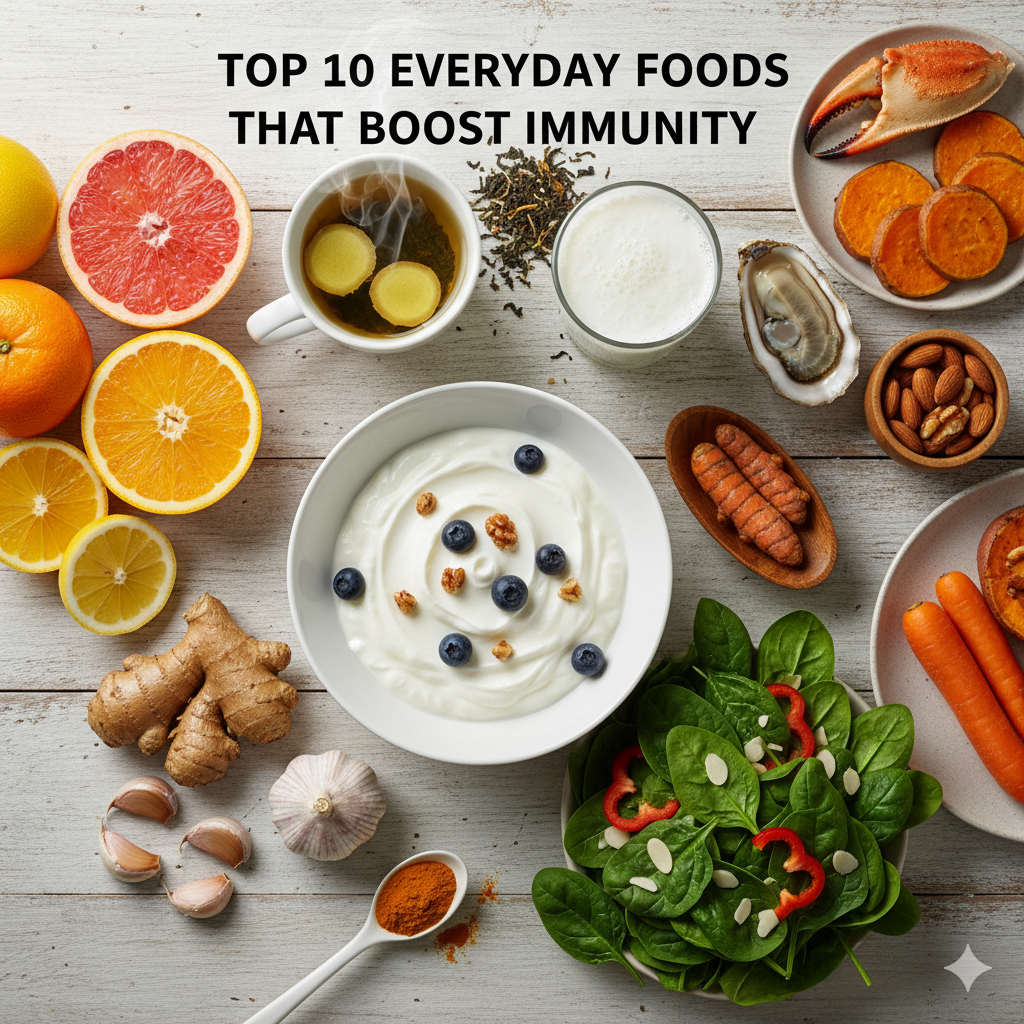
In today’s fast-paced, interconnected world, protecting our health has become more critical and personal than ever. We’re constantly bombarded with seasonal bugs, environmental stressors, and the general wear and tear of modern life that challenges our body’s natural defense system—our immune system. While genetics certainly play a role in baseline health, the remarkably good news is that much of our natural immunity is built, supported, and maintained right in our kitchen.
The ancient adage, “Let food be thy medicine,” holds profound truth, especially when it comes to immune function. Simply put, what you eat directly impacts how well your body fights off illness. The cells, antibodies, and barriers that make up your immune system require a steady supply of specific vitamins, minerals, and antioxidants to operate at peak efficiency. Deprive them of these essential nutrients, and your defenses will inevitably falter.
Instead of chasing complex supplements or fleeting health fads, the most powerful and sustainable way to prepare your body for battle is through consistent, healthy eating, focusing on nutrient-dense, immune-boosting foods. Many of the most potent superfoods are not exotic ingredients but everyday items already sitting in your pantry or refrigerator, waiting to be unlocked.
This comprehensive guide breaks down the Top 10 Everyday Foods you need to incorporate into your daily diet right now. By understanding the core components of these foods—from potent vitamin C and essential zinc to crucial probiotics and anti-inflammatory compounds—you can create a simple, effective eating plan designed for an unparalleled immune system boost. Let’s transform your plate into a powerful protective shield against the outside world.
The 10 Immune-Boosting Superfoods
The foods listed here are not just “healthy”; they are specifically selected for their high concentration of vitamins, minerals, and plant compounds scientifically proven to support one or more aspects of immune function, from gut integrity to white blood cell production. Incorporating them consistently is key.
Citrus Fruits: The Classic Vitamin C Powerhouse
When you think of immunity, you probably picture a bright orange or a sunny lemon and the surge of Vitamin C they provide. This is no coincidence; citrus fruits—including oranges, lemons, limes, grapefruits, and tangerines—have long been lauded as essential defenders against the common cold and seasonal illnesses. They are incredibly easy to find, affordable, and versatile, making them a perfect daily staple for natural immunity maintenance.
The Role of Vitamin C in White Blood Cell Production
Vitamin C is arguably the most famous nutrient for an immune system boost because it plays a critical role in encouraging the production and activity of white blood cells (WBCs). These WBCs are the body’s primary soldiers, responsible for identifying and fighting off infection and disease. Vitamin C doesn’t just help create them; it also helps these immune cells function more effectively once they are deployed.
Furthermore, Vitamin C functions as a powerful, water-soluble antioxidant, helping to protect these crucial WBCs and other body cells from damage. As immune cells fight pathogens, they create oxidative stress; Vitamin C neutralizes the free radicals produced during this battle. Since our bodies do not produce or efficiently store Vitamin C, consistent daily intake is absolutely necessary, making citrus fruits a convenient solution.
Tips for Daily Intake
You don’t need to chug gallons of orange juice—which often contains added sugar—to get the benefit. Start your morning with a glass of warm water and the juice of half a lemon to give your immune system an immediate, alkalizing wake-up call. You can also toss grapefruit segments into a salad or simply snack on a tangerine mid-day. Try to eat the whole fruit when possible to benefit from the added fiber, which also aids digestion and gut health. Remember, slicing citrus fruits over a bowl of oatmeal or yogurt is a great way to combine several superfoods at once.
Garlic: Nature’s Potent Antibiotic
Beyond its ability to infuse savory dishes with depth and flavor, garlic is a centuries-old remedy revered across cultures for its medicinal properties. Historically, it was used to prevent and treat various infections, and modern science has emphatically upheld its reputation as a genuine immune-boosting food. Its sharp, pungent smell and powerful flavor come directly from the sulfur-containing compounds that deliver its astonishing health benefits.
Allicin: The Compound Behind its Natural Immunity Power
The majority of garlic’s health power comes from sulfur-containing compounds, primarily Allicin, which is released when garlic is crushed, chopped, or chewed. Raw garlic contains alliin, and when the cell walls are broken, the enzyme alliinase converts it into the potent allicin. Allicin has been shown to exhibit potent antibacterial, antiviral, and antifungal properties, essentially acting as nature’s potent antibiotic.
Research suggests that regular consumption of garlic can reduce the risk of catching a cold and can significantly reduce the severity and duration of cold symptoms. It works by directly inhibiting the growth of pathogens and by stimulating several types of immune cells, strengthening the body’s overall rapid-response capability against common threats. Allicin may also help lower blood pressure and reduce cholesterol, contributing to better overall health—another pillar of strong natural immunity.
Best Ways to Consume Garlic to Maximize Benefits
To get the most out of the allicin, you need to allow it to form before heating it. The key tip is to crush or chop your garlic and then let it sit for 10–15 minutes before adding it to your cooking. High heat can rapidly deactivate the beneficial allicin compound, so adding it late in the cooking process is also recommended. For maximum benefit, many health experts suggest consuming a clove or two of raw, crushed garlic mixed into honey, olive oil, or salad dressings daily.
Ginger: The Anti-Inflammatory Root
Often used across the globe to soothe a sore throat, quell nausea, or calm an upset stomach, ginger is a fibrous, pungent root that delivers a comprehensive dose of wellness. While its soothing effects are well-known, its critical role in promoting natural immunity stems largely from its exceptional ability to manage and reduce chronic inflammation throughout the body. Chronic, systemic inflammation is a major stressor on the immune system, forcing it to focus its resources inefficiently on internal issues rather than external threats.
Gingerols and Their Impact on Chronic Inflammation
The primary bioactive compounds in ginger are called gingerols, substances chemically related to capsaicin that are responsible for ginger’s distinct flavor and many of its documented medicinal effects. Gingerol is a powerful anti-inflammatory and antioxidant, capable of reducing oxidative stress and lowering levels of inflammatory markers in the body. By taming unnecessary or chronic inflammation, ginger allows the immune system to allocate its resources more effectively toward defense against acute pathogens.
Ginger is also a potent diaphoretic—meaning it helps induce sweating—which can be beneficial when fighting off a fever or cold. Its warming properties are often used in traditional medicine to help “move” stagnant energy and promote better circulation. In the context of an immune system boost, ginger is particularly effective at clearing up congestion and alleviating respiratory inflammation associated with common illnesses.
Practical Uses (Tea, Seasoning, Remedies)
The easiest way to consume therapeutic levels of ginger is by making fresh ginger tea: slice a 1-inch piece of fresh, peeled root and steep it in hot water for 10 minutes. You can also grate fresh ginger directly into stir-fries, noodle dishes, soups, or even blend it into your morning smoothie. For a quick cold remedy, mix fresh grated ginger with honey and lemon to create a comforting, potent, immune-boosting elixir. Always try to use fresh ginger root, as dried or powdered versions contain lower concentrations of the active gingerol compound.
Yogurt & Kefir: The Gut Health Connection
The link between your gut health and your overall immune system boost is one of the most exciting and crucial areas of modern nutritional science. Did you know that approximately 70–80% of your immune tissue resides in your gut? This makes the digestive tract the single most important battlefield for your body’s defenses, and yogurt and kefir are two of the best, most delicious ways to nurture this crucial internal ecosystem.
Probiotics and Their Crucial Link to Gut Health
The key to their power lies in probiotics, the “good” bacteria and yeasts that colonize your digestive tract and collectively form your gut microbiome. Probiotics help balance this microbial community, which performs hundreds of vital functions. A well-balanced gut aids digestion, helps you absorb essential vitamins (like B vitamins), and, most importantly, directly communicates with and trains your immune cells.
By crowding out harmful bacteria, these beneficial microbes ensure the immune system can focus its energies on external threats rather than dealing with internal disorder caused by dysbiosis (an imbalance of gut flora). Products containing live, active probiotic cultures have been shown in studies to reduce the duration and severity of common colds. This makes them essential immune-boosting foods for anyone pursuing healthy eating.
Selecting the Right Products (Live and Active Cultures)
When shopping for yogurt or kefir (a fermented milk drink with an even wider array of bacterial strains), the label is everything. Look specifically for the phrase “live and active cultures” or a list of specific bacterial strains (like Lactobacillus or Bifidobacterium). Crucially, avoid options loaded with excessive added sugar, as sugar feeds the harmful bacteria in your gut, effectively undermining the benefits of the probiotics. Opt for plain, unsweetened varieties and add your own fruit (like berries, which are high in antioxidants) or a light drizzle of honey. Consume them regularly, ideally every day, to maintain a consistent, healthy population of beneficial bacteria in your gut.
Turmeric: The Golden Spice
This vibrant, yellow-orange spice, deeply associated with Indian curries and vibrant cooking, has been used in Ayurvedic medicine and other traditional healing systems for thousands of years. Turmeric is far more than just a flavor enhancer; it is now recognized globally as one of the most powerful natural anti-inflammatories on the planet. For those seeking an immune system boost, incorporating a daily dose of turmeric is a golden investment in long-term health and inflammation control.
Curcumin: A Master Antioxidant and Immune Regulator
The primary, biologically active compound in turmeric is called curcumin. Curcumin is a potent, fat-soluble antioxidant that is exceptionally effective at fighting chronic, low-grade inflammation—a state that quietly drags down the efficiency of the entire immune system. Beyond simply reducing inflammation, research suggests that curcumin can act as an immune modulator.
This means it helps the immune system respond effectively to threats (like viruses) while simultaneously helping to prevent an overreaction (such as autoimmune responses) that can damage healthy body tissue. This dual regulatory role makes it an invaluable addition to a dedicated daily diet. Its powerful cellular protection is a cornerstone of any strategy focused on natural immunity.
How to Increase Curcumin Absorption (with Black Pepper)
One major challenge with turmeric is that, when consumed alone, curcumin is poorly absorbed by the body. Here’s a crucial tip: always consume turmeric with black pepper. Black pepper contains a compound called piperine, a natural substance that dramatically enhances the bioavailability (absorption) of curcumin by the body—sometimes by as much as 2,000%!
To further increase absorption, consume it with a healthy fat, as curcumin is fat-soluble. Try making a famous “Golden Milk” latte (turmeric, milk/nut milk, black pepper, and coconut oil) or adding a pinch of turmeric and pepper to scrambled eggs, soups, or rice dishes. The key is combining the three elements: curcumin, piperine, and fat.
Spinach: The Nutrient-Dense Green
When it comes to green vegetables, spinach is a genuine nutritional heavyweight and an essential superfood. This unassuming leafy green is packed with a multitude of essential immune-boosting foods in one convenient, low-calorie package. It’s often overlooked in favor of flashier supplements, but its combination of antioxidants and critical vitamins makes it an undeniable staple for anyone prioritizing healthy eating.
Boosting Immunity with Beta-Carotene and Folate
Spinach is well-known for its high content of Vitamin C and Vitamin E, but its true strength in immune support lies in its concentration of beta-carotene and folate. Beta-carotene is a powerful precursor to Vitamin A, which is absolutely vital for maintaining the health of mucosal linings—the protective barriers in your respiratory and digestive tracts.
Folate, on the other hand, is essential for the body to produce new DNA and RNA. This process is crucial for the rapid multiplication and maturation of immune cells when your body is under an acute attack. These nutrients ensure your body can quickly produce and effectively deploy immune cells to the necessary areas. Spinach also contains various compounds that protect your eyes and prevent cellular degradation.
Quick and Easy Ways to Add It to Every Meal
The beauty of spinach is its mild flavor and its tendency to shrink dramatically when cooked, allowing you to consume surprisingly large quantities with ease. Add a full handful to your morning smoothie; you won’t even taste it but you’ll reap all the benefits. Sauté it quickly with garlic and olive oil as a side dish, or simply layer raw spinach into sandwiches and wraps in place of less-nutritious lettuce. Cooking spinach lightly helps release some nutrients (making the Vitamin A more bioavailable), but eating it raw ensures you get maximum levels of the heat-sensitive Vitamin C and folate.
Almonds & Walnuts: Vitamin E and Healthy Fats
Nuts are a powerful cornerstone of healthy eating, and for an effective immune system boost, almonds and walnuts stand out from the crowd. They provide a satisfying crunch along with a host of vitamins and essential fatty acids that support your body’s long-term defensive functions. They are the perfect way to incorporate nutrient-dense superfoods into your demanding daily diet.
Vitamin E as a Powerful Fat-Soluble Antioxidant
Almonds are particularly rich in Vitamin E, a fat-soluble antioxidant that is crucial for protecting cell membranes from damage. This protection is especially important for the delicate cell walls of your immune cells, as they are often exposed to high levels of oxidative stress during the fight against pathogens. Vitamin E may also help regulate the immune system by suppressing certain pro-inflammatory substances.
Walnuts, meanwhile, are a superior source of beneficial plant-based omega-3 fatty acids. Omega-3s are known to reduce chronic inflammation throughout the body, indirectly freeing up your immune system to focus on foreign invaders rather than internal clean-up. Both nutrients work together to support comprehensive cellular health and defense.
Recommended Serving Size and Snack Ideas
Since nuts are calorie-dense, portion control is always key. A recommended serving size is about a quarter-cup (a small handful) per day. Enjoy them raw as a quick and convenient snack, sprinkle chopped nuts over yogurt (combining two immune-boosting foods for a powerful effect!), or mix them into oatmeal or trail mix. For baking, substituting almond flour for a portion of wheat flour can also provide a nutritional upgrade to your favorite treats.
Shellfish (Oysters, Crab): Essential Zinc Source
While perhaps not a practical daily food for the average person, incorporating shellfish occasionally is an excellent, targeted way to secure a critical trace element: zinc. Oysters, crab, lobster, and mussels are all exceptionally packed with this mineral, which is absolutely vital for a responsive and effective immune function. If seafood isn’t your preference, red meat, fortified cereals, and legumes are also reliable sources.
Why Zinc is Critical for Immune Cell Function
Zinc is a non-negotiable mineral for an effective immune response. It is essential for the normal development, function, and signaling of nearly all immune cells, including T-cells, macrophages, and natural killer (NK) cells. A deficiency in zinc—which is surprisingly common—can severely impair your immune system’s ability to fight infection.
For instance, T-cells rely on zinc to help destroy infected cells, and a lack of it can significantly slow down this critical process. Zinc is also crucial for wound healing, DNA synthesis, and maintaining the integrity of cellular structures, all vital for repairing the body after an immune battle. Studies have consistently shown that zinc supplementation, particularly early in a cold, can reduce its duration.
Safe and Healthy Preparation Tips
Since zinc is best absorbed from animal sources, shellfish provides a readily available supply. When preparing shellfish, ensure it is cooked thoroughly to minimize the risk of foodborne illness. If you are vegetarian or vegan, you can still get enough zinc from legumes (like chickpeas and lentils), pumpkin seeds, and fortified cereals, but you may need to pay closer attention to your intake. For those who cannot consume enough through diet, a moderate zinc supplement might be necessary, but only after consulting a healthcare provider to avoid excessive intake, which can be harmful.
Green Tea: The EGCG Defender
Many people around the world reach for a cup of green tea for a healthy morning energy lift, but this ancient, beloved beverage is also a potent tonic for your natural immunity. Unlike black tea, green tea leaves are not oxidized during processing, meaning they retain higher levels of powerful plant compounds that directly benefit your health. It’s an easy, hydrating, and enjoyable way to add potent antioxidants to your daily diet.
Catechins (EGCG) and Their Anti-Viral Properties
The true star of green tea is a type of flavonoid called catechins, particularly Epigallocatechin Gallate (EGCG). EGCG is a phenomenal antioxidant that has been extensively studied for its potential to inhibit viral replication and bolster the body’s defensive barriers. It appears to work by attaching to viral proteins and preventing them from successfully entering host cells—a crucial early step in stopping an infection.
Furthermore, EGCG can enhance the function of T-cells and B-cells, which are crucial for adaptive immunity (your body’s long-term, memory-based defense). Green tea also contains the amino acid L-theanine, which is known to help produce T-cells and, interestingly, may also have a relaxing, stress-reducing effect, which is an often-overlooked component of maintaining robust healthy eating and immunity.
Optimal Brewing Temperature and Frequency
To maximize the release of EGCG and other beneficial compounds, avoid using boiling water, which can damage the delicate catechins and make the tea bitter. Instead, let the water cool for a minute or two after boiling (around 175∘F or 80∘C) before steeping the tea for three to five minutes. Aim for 2–3 cups of green tea per day for a sustained immune benefit. For an extra boost of antioxidants, a squeeze of lemon juice can actually increase the bioavailability of the catechins, allowing your body to absorb significantly more of the superfood benefit.
Sweet Potatoes & Carrots: Beta-Carotene for Vitamin A
We’ve established that Vitamin C is essential for immunity, but another key nutrient—Vitamin A—is equally crucial for strong natural immunity. The best dietary source isn’t the vitamin itself, but its potent precursor: beta-carotene, which is found in abundance in intensely orange-colored vegetables like sweet potatoes and carrots. This makes them vital, affordable, and delicious immune-boosting foods.
Vitamin A’s Role in Maintaining Mucosal Barriers
Once consumed, beta-carotene is efficiently converted by the body into usable Vitamin A. Vitamin A is critical for maintaining the health and integrity of the mucosal barriers—the protective linings in your nose, throat, lungs, and gut. Think of these as the gates and walls of your body’s fortress. These barriers are your body’s first physical line of defense, trapping and blocking pathogens before they can ever enter the bloodstream.
Adequate Vitamin A ensures these defenses are robust, moist, and able to function properly as barriers against environmental contaminants and infections. Deficiency can lead to compromised integrity of these barriers, making you much more susceptible to respiratory and digestive illnesses. This makes orange vegetables essential for long-term protection.
Delicious Ways to Cook and Serve
The great news is that Vitamin A (and beta-carotene) is fat-soluble, meaning it’s significantly better absorbed when consumed with a healthy fat. For maximum nutrient absorption, try roasting sweet potatoes or carrots tossed in a little olive oil, or serve them mashed with a small pat of butter. This simple addition significantly increases the amount of antioxidant goodness your body can use. Snacking on raw carrots with hummus or incorporating chopped carrots into a savory soup are quick and easy ways to work this immunity helper into your daily diet.
The Holistic Immune Approach: Beyond the Top 10
While focusing on these top 10 immune-boosting foods is an incredible start, true immune system boost relies on a holistic approach that supports your body’s overall resilience. No single food can work miracles, but the consistent combination of nutrition, lifestyle, and mental health creates a powerful defense matrix.
The Role of Sleep, Stress, and Hydration
Sleep: The Great Immune Recharger
When you sleep, your immune system releases specialized proteins called cytokines, which are essential for fighting inflammation and infection. Lack of quality sleep decreases the production of these critical protective cytokines. Prioritizing 7–9 hours of quality sleep per night is arguably as important as any superfood in this list.
Stress Management: Calming the Defensive System
Chronic stress releases cortisol, a hormone that suppresses the effectiveness of the immune system. Finding healthy ways to manage daily stress—through exercise, meditation, or spending time in nature—allows your immune system to remain alert and focused on external threats rather than being bogged down by internal distress.
Hydration: Supporting Immune Transport
Water is the transport vehicle for all nutrients, including the vitamin C and zinc you eat. Proper hydration ensures that immune cells, waste products, and nutrients are efficiently moved throughout the body, improving overall immune communication and function. Aim for at least eight 8-ounce glasses of water or hydrating green tea daily.
Frequently Asked Questions (FAQ)
Can supplements fully replace these immune-boosting foods?
While supplements can certainly help fill nutritional gaps—especially for nutrients like Vitamin D or zinc which can be hard to get enough of—they cannot fully replace the benefits of whole, natural foods. Whole foods contain complex mixtures of fiber, thousands of antioxidants, and other compounds that work synergistically in a way that isolated supplements simply cannot replicate. A diet rich in these superfoods is always the best, most fundamental strategy for a truly robust immune system boost.
How long does it take for my diet to boost my immunity?
You won’t see an instant change overnight, but the cumulative, positive effects of incorporating these healthy eating habits can be noticed relatively quickly. Improvements in your gut health (via probiotics) can begin within days or weeks, while optimizing your nutrient stores (zinc, vitamin C, vitamin E) typically takes a few weeks to a couple of months. Consistency in your daily diet is the most important factor for long-term, sustained natural immunity.
What about Vitamin D? Why isn’t it on the list?
Vitamin D is absolutely critical for immune health, but it is not commonly found in high concentrations in many everyday foods, making it difficult to include in a “Top 10 Foods” list. While fatty fish and fortified milks contain some, sunlight is the primary source. Due to widespread deficiency, most health experts recommend monitoring Vitamin D levels and using a high-quality supplement to ensure adequate levels, especially in winter months or for those with limited sun exposure.
Conclusion: Building Resilience from the Inside Out
The journey to an optimally functioning immune system boost is a marathon, not a sprint, and your kitchen is where the essential training begins. We’ve covered ten accessible, powerful immune-boosting foods—from the vitamin C in citrus and the zinc in shellfish, to the probiotics in yogurt and the anti-inflammatory power of ginger and turmeric.
By consciously and consistently adding these items to your daily diet, you are giving your body the fundamental tools it needs to maintain a strong, alert, and resilient defense system. Remember, a strong immune system isn’t just about fighting off illness; it’s about feeling vibrant, energetic, and resilient every single day.
Start simple today: Swap a sugary snack for a handful of almonds, steep a cup of warm green tea instead of coffee, or add a little extra garlic to tonight’s dinner. These small, consistent steps in healthy eating will translate into significant, long-term gains for your natural immunity.
Ready to level up your plate and fortify your fortress? Explore our comprehensive library of healthy, immune-boosting recipes or sign up for our weekly newsletter to get more exclusive superfoods tips and meal ideas delivered straight to your inbox!
 Ganho Nursing
Leave a comment