
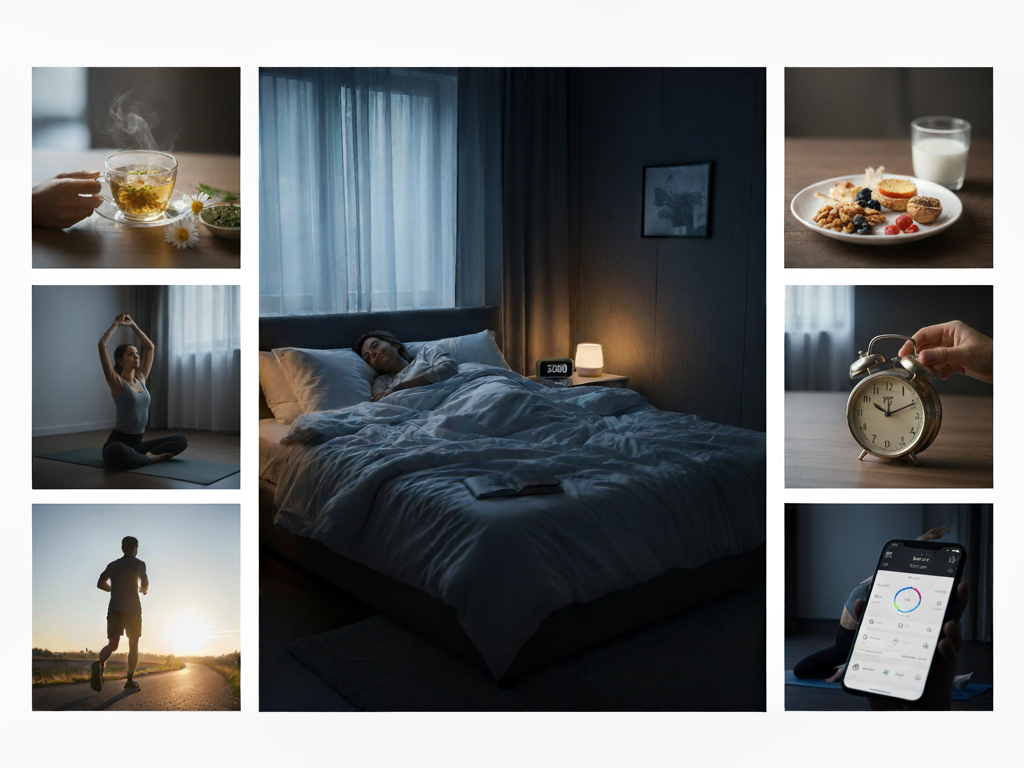
More Than Just Rest: The Science of Sleep and Why It Matters 💤
Have you ever had one of those days where you feel like you’re moving through a fog? A day where your brain feels slow, your patience is thin, and you can’t seem to focus on anything. Chances are, you didn’t get enough sleep the night before. Sleep is not a luxury; it’s a biological necessity, as vital to our health as proper nutrition and exercise. It’s the time when our bodies and minds repair and recharge, preparing us for the day ahead. This article will delve into the science of healthy sleep habits, providing you with actionable, research-backed tips to improve your sleep quality and, in turn, your overall health and well-being.
The Stages of Sleep: What Happens When We Close Our Eyes
To truly appreciate the importance of sleep, it helps to understand what’s happening behind the scenes. A typical night’s sleep is divided into four stages that cycle throughout the night.
The Cycle of Sleep: NREM and REM
The first three stages are known as Non-Rapid Eye Movement (NREM) sleep. During these stages, our bodies gradually slow down. Our heart rate and breathing become more regular, our body temperature drops, and our muscles relax. Deep NREM sleep is crucial for physical repair, memory consolidation, and the release of growth hormones.
The fourth stage is Rapid Eye Movement (REM) sleep. This is the “active” stage of sleep, where our brain activity surges, and most vivid dreaming occurs. REM sleep is essential for cognitive functions like learning, problem-solving, and emotional processing. We typically cycle through all four stages multiple times a night, with each cycle lasting about 90 minutes.
Creating Your Sleep Sanctuary: The Bedroom Environment 🛌
The environment in which you sleep plays a massive role in the quality of your rest. Optimizing your bedroom can be one of the most effective steps toward better sleep. Think of your bedroom as a sacred space dedicated to rest and relaxation.
The Three Cs: Cool, Dark, and Quiet
- Cool: Your body temperature naturally drops to initiate and maintain sleep. Keeping your bedroom on the cooler side (around 60-67°F or 15-19°C) signals to your body that it’s time to rest. A comfortable temperature prevents you from waking up due to overheating or shivering.
- Dark: Light, especially blue light from screens, disrupts the production of melatonin, the hormone that regulates your sleep-wake cycle. Use blackout curtains, an eye mask, or cover any light-emitting devices to ensure your room is as dark as possible.
- Quiet: Unwanted noises can interrupt your sleep, even if you don’t fully wake up. Consider using earplugs, a white noise machine, or a fan to create a consistent, soothing background sound that can mask sudden noises and promote continuous sleep.
The Power of Routine: Consistency is Key for Your Body Clock ⏰
Our bodies thrive on routine. A consistent sleep schedule helps regulate our internal body clock, also known as the circadian rhythm. This rhythm dictates when we feel tired and when we feel alert, so a consistent schedule reinforces it.
Wake Up and Go to Bed at the Same Time
This is arguably the most important of all sleep hygiene tips. Try to go to bed and wake up at the same time every day, even on weekends. While sleeping in on a Saturday morning feels tempting, it can disrupt your circadian rhythm, making it harder to fall asleep on Sunday night. This phenomenon is often referred to as “social jet lag.”
Develop a Wind-Down Ritual
An hour before bed, start a relaxing routine to signal to your body that it’s time to prepare for sleep. This ritual should be free of screens and stressful activities.
- Read a book (a physical book, not on a tablet).
- Take a warm bath or shower to relax your muscles.
- Listen to calming music or a podcast.
- Do some light stretching or meditation.
Diet and Exercise: Fueling Your Body for Rest 🍎💪
What you eat and when you exercise have a direct impact on your sleep quality. Making mindful choices during the day can lead to a more restful night.
Be Mindful of What You Consume
- Caffeine: Avoid caffeine in the afternoon and evening. Its stimulating effects can linger for hours, preventing you from falling asleep.
- Alcohol: While alcohol might make you feel drowsy initially, it disrupts your sleep cycle, particularly REM sleep, leading to fragmented and poor-quality rest.
- Heavy Meals: Eating a large meal right before bed can cause indigestion and discomfort, making it difficult to fall asleep. Aim to have your last substantial meal at least 2-3 hours before bedtime.
The Right Time to Exercise
Regular physical activity is one of the best ways to improve sleep quality. However, the timing matters. Exercising too close to bedtime can raise your body temperature and heart rate, making it harder to fall asleep. Aim to finish your workout at least 2-3 hours before you plan to go to bed.
- Morning workouts can boost your energy levels for the day and help you feel tired at night.
- Afternoon exercise can help you de-stress after work.
- Gentle evening activities like yoga or a slow walk can be part of your wind-down routine.
When to Seek Help: Recognizing Sleep Disorders
While these tips can significantly improve your sleep, sometimes there’s a deeper issue at play. Conditions like insomnia, sleep apnea, and restless legs syndrome require professional medical attention.
- Insomnia: Characterized by difficulty falling asleep, staying asleep, or waking up too early and being unable to return to sleep.
- Sleep Apnea: A potentially serious sleep disorder where breathing repeatedly stops and starts during the night.
- Restless Legs Syndrome (RLS): An irresistible urge to move the legs, often accompanied by unpleasant sensations.
If you’ve consistently tried to improve your sleep hygiene with little success, or if you suspect you may have a sleep disorder, it’s essential to consult a healthcare professional. They can provide an accurate diagnosis and recommend appropriate treatment.
Frequently Asked Questions (FAQ)
Q1: How much sleep do I really need?
A: Most adults need between 7 and 9 hours of sleep per night. However, this can vary slightly from person to person. Listen to your body; if you feel groggy and irritable during the day, you’re likely not getting enough sleep.
Q2: What’s the best time to go to bed?
A: There’s no magic number, but the key is consistency. Find a bedtime that allows you to get 7-9 hours of sleep and stick to it, even on weekends.
Q3: Is it okay to use my phone in bed?
A: It’s best to avoid it. The blue light from screens can suppress melatonin production, making it harder to fall asleep. Try to put your phone away at least an hour before you plan to sleep.
Q4: Should I take a nap?
A: Naps can be beneficial for a quick energy boost. However, keep them short (20-30 minutes) and take them in the early afternoon to avoid disrupting your nighttime sleep.
Conclusion: Sleep is a Skill Worth Mastering 🌙
Sleep is the foundation of our health, performance, and happiness. It’s not a passive activity but an active process of physical and mental restoration. By implementing science-backed healthy sleep habits—from optimizing your bedroom environment to establishing a consistent routine and being mindful of your diet—you can unlock the transformative power of a good night’s rest. It’s a journey that requires commitment and patience, but the rewards—more energy, better focus, improved mood, and a stronger immune system—are immeasurable.
Start today by making one small change. Your future self will thank you for it. For more on how to live a healthier life, check out our other articles on stress management and mindfulness for beginners.
 Ganho Nursing
Leave a comment